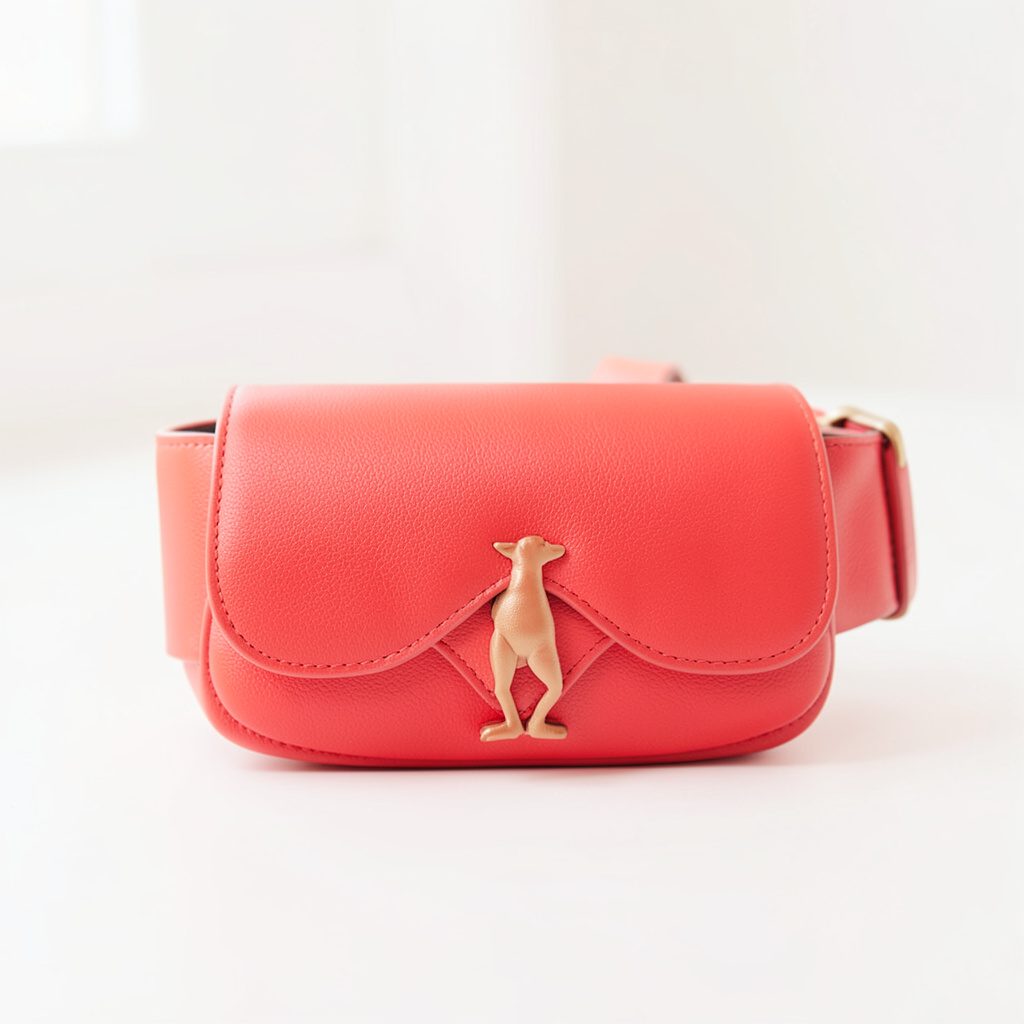
Caring for Canvas and Fabric Luxury-Style Bags
Canvas and fabric handbags bring a relaxed feel to polished everyday dressing. They are lighter than many leather styles, easy to carry from the office to weekend plans, and well suited to structured shapes inspired by Birkin, Kelly, Constance, Lindy, and Picotin designs. Their woven surfaces, however, can absorb dust, moisture, oils, and colour transfer more readily than smooth leather.
Good maintenance begins with small, regular habits rather than aggressive cleaning. A few minutes spent brushing away grit, protecting the bag from wet weather, and storing it correctly can help preserve its shape and keep the fabric looking fresh.
Australian conditions make this especially relevant. Strong sun in Queensland, sudden showers in Melbourne, humid coastal air around Sydney, and red dust in parts of Western Australia can all affect textile bags. Care should suit both the material and the environment in which the bag is carried.
Know Your Canvas And Fabric
Canvas may feel sturdy, yet its fibres can still mark or weaken when exposed to rough surfaces. Cotton blends, jacquard fabric, coated canvas, felt, and woven textiles each react differently to water and cleaning products. Before treating a visible mark, check the product description or care information and identify whether the surface has a protective coating.
Look closely at the trim as well. A fabric body may be paired with leather handles, piping, suede panels, metal feet, or a lining that should not become wet. Colourfastness can vary between dark navy, burgundy, black, cream, and pale pastel shades, so any cleaning method should first be tested on a concealed area.
A replica handbag may use materials that resemble a luxury house’s original textile without having the same finish or protective treatment. Treating it gently is safer than assuming the fabric can withstand professional-grade solvents or heavy scrubbing.
Build A Gentle Daily Routine
Empty the bag regularly and shake out loose crumbs over a bin or clean towel. Use a soft clothes brush, makeup brush, or low-suction vacuum with a fabric attachment to remove surface dust. Work in one direction and avoid pressing the brush into embroidery, printed motifs, or raised woven details.
Keep pens, cosmetics, sunscreen, and snacks inside separate pouches. A leaking tube can create a stain that spreads through the lining and reaches the outer fabric. When carrying a bag in a car, place it on a clean seat or in a protective dust bag rather than on the floor, where grit and dampness collect.
If you are browsing replacement storage pieces or organising a purchase, the shopping cart can be a useful point to check whether a dust bag, insert, or organiser is included. A properly sized insert helps support the base without stretching the sides.
Protect The Surface From Moisture And Sun
Fabric handbags should be kept away from prolonged rain, pool water, sea spray, and wet benches. A brief shower may be manageable if the bag is dried promptly, but saturation can cause water rings, colour bleeding, or distortion. In Australia, a compact umbrella is practical for city commutes, particularly during unpredictable spring weather in Melbourne or Brisbane.
Never leave a textile bag on a sunny dashboard or beside a north-facing window for long periods. Ultraviolet light can fade dark colours and make pale fabric look yellowed. Even a bag carried regularly to outdoor cafés in Perth or along Sydney’s harbour can benefit from alternating between shaded and exposed locations.
Avoid applying ordinary waterproofing spray without checking its ingredients. Some products darken fabric, leave a shiny film, or affect leather trim. If a protector is appropriate, choose one designed for the specific textile and test it on a hidden patch before treating the entire bag.
Clean Small Marks Carefully
For loose dirt, let the area dry fully before brushing. Rubbing damp grit can push particles deeper into the weave. Once the surface is dry, lift the residue with a soft brush and use a clean white cloth to dab, rather than wipe, any remaining mark.
For a mild spot, mix a small amount of gentle soap with cool water. Dip a white cloth into the solution, wring it almost dry, and tap the stain from its outer edge towards the centre. Use as little liquid as possible, then remove soap residue with another barely damp cloth.
Do not use bleach, alcohol, nail-polish remover, strong laundry detergent, or household disinfectant. These products can strip colour and leave a pale patch that is more noticeable than the original mark. Coloured towels should also be avoided because dye may transfer to cream or light fabric.
Dry The Bag Without Warping It
If the bag becomes damp, remove the contents and blot the surface with a dry towel. Keep the handles and corners supported, then place the bag in a cool, well-ventilated room. Avoid hairdryers, heaters, tumble dryers, and direct midday sun, as rapid heat can shrink fabric, stiffen coatings, or deform leather details.
Fill the interior loosely with plain, unprinted tissue paper or a clean cotton pillowcase. This supports the shape while allowing air to circulate. Replace the paper if it becomes damp, and leave the bag open until both the exterior and lining are completely dry.
Quick Drying Practices
- Blot moisture instead of rubbing the fabric.
- Remove wet inserts, receipts, and personal items immediately.
- Allow airflow around the base and handles.
- Keep the bag away from radiators and hot car interiors.
- Check hidden seams before returning it to storage.
Store It To Preserve Its Shape
A fabric handbag should rest upright when its structure allows it. Use a breathable dust bag rather than a plastic cover, which can trap humidity and create a stale smell. Store it in a cupboard away from strong perfumes, cleaning chemicals, and windows with direct sunlight.
Do not stack heavy handbags on top of a soft canvas style. Weight can flatten handles, crease the top line, and leave permanent impressions in woven fabric. A shelf divider or individual storage box gives each piece enough room without compressing its sides.
Humidity is a practical concern in coastal Australia. In a damp apartment near the Gold Coast or during a wet Sydney winter, check stored bags from time to time and air them briefly in a shaded room. Avoid placing moisture-absorbing crystals directly against fabric, since some products can leak or create localised discolouration.
Deal With Stains, Odours, And Wear
Oil marks, ink, foundation, and red wine require different treatment, and repeated home experiments can spread the damage. Blot fresh spills with a clean white cloth, take a photograph of the affected area, and note what caused it. This information helps a specialist choose an appropriate cleaning method.
A musty smell may come from trapped moisture rather than visible dirt. Air the bag in shade, remove the insert, and clean the lining separately if its care instructions permit. Do not spray perfume inside to mask the odour; fragrance oils can stain the textile and linger unevenly.
For comparison when assessing fabric finishes and colour behaviour, a material care guide can provide general reference points, though the bag’s own construction should take priority over any generic advice.
Signs That Need Professional Attention
- Ink, oil, or dye transfer has spread beyond a small spot.
- The fabric has developed a stiff, glossy, or bleached patch.
- Mould or a persistent damp odour remains after airing.
- Leather trim has become stained, cracked, or misshapen.
- The lining has torn or pulled away from the outer shell.
Carry It With Everyday Australian Habits
Public transport, beach visits, outdoor markets, and café tables expose bags to more contact than a home or office setting. On trains in Sydney or trams in Melbourne, keep the bag close to your body and avoid placing it on a dusty platform or damp seat. At the beach, leave it away from sand and salt spray, even if the fabric appears durable.
Sunscreen deserves particular attention. Allow lotion to absorb fully before handling pale handles or straps, and keep lip balm, hand cream, and sanitiser in sealed pouches. These products can leave translucent marks that darken as they attract dust.
A sensible care routine is simple: brush the bag after heavy use, respond quickly to spills, dry it slowly, and store it with space around it. With those habits, a canvas or fabric handbag can remain neat, structured, and practical across changing seasons and everyday Australian conditions.
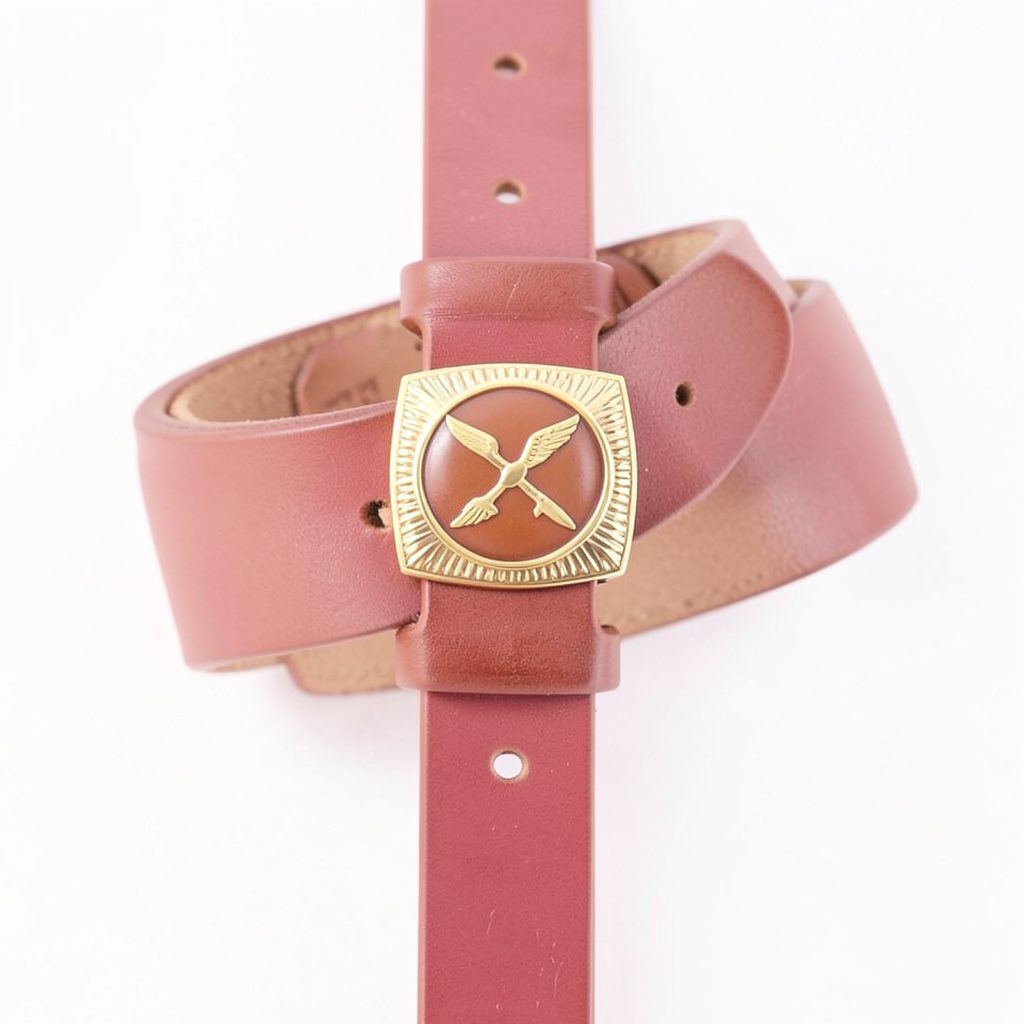
Belts, Bracelets & Bag Charms
Wallet styles, belts for men and women, bracelets, card holders, and shoulder straps crafted for everyday wear, including the Oscar Buckle and Lennox belts.
Shop Accessories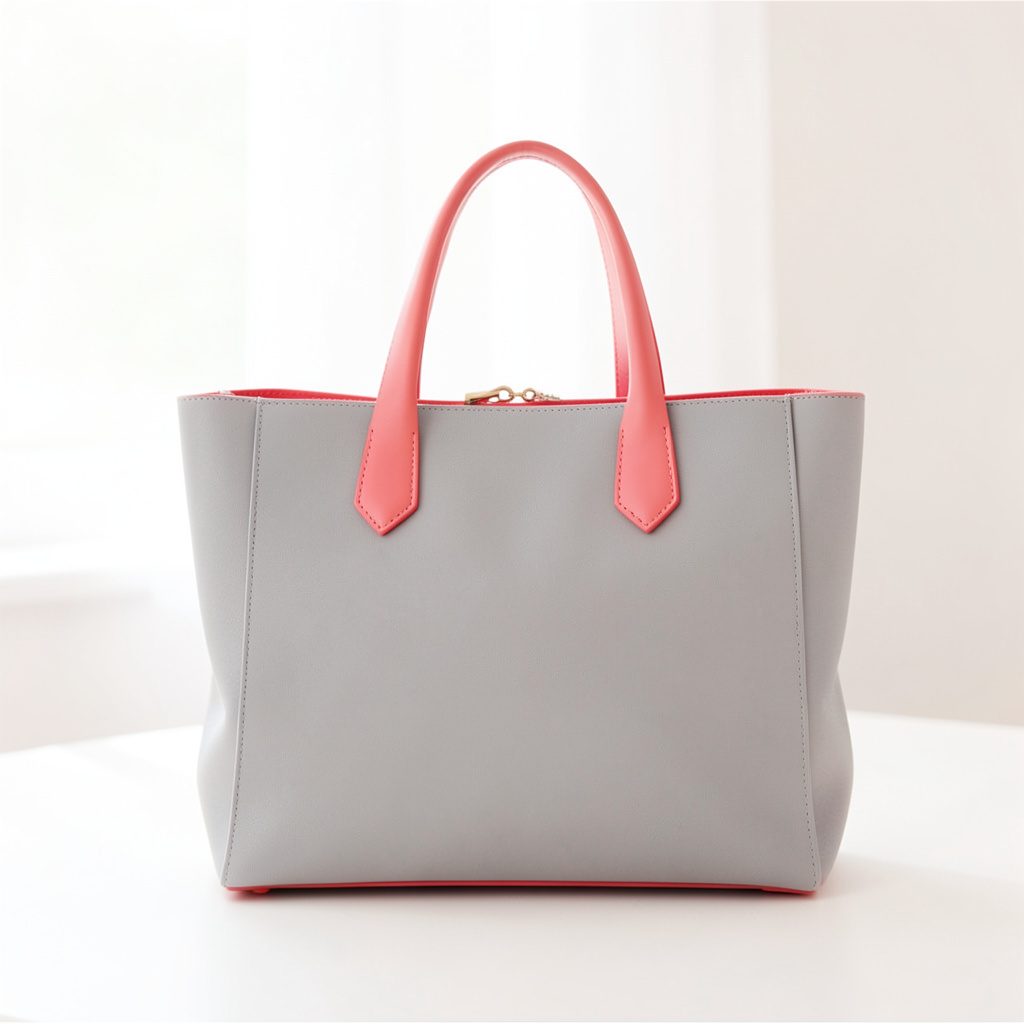
Birkin, Kelly & Bolide
Handmade replica Hermès bags in sizes 25cm, 30cm, 35cm, 40cm, and 42cm across Epsom and Clemence leather, in shades from Sapphire and Orange to Grey and Gold.
Explore HandbagsStay in the Loop
Sign up for store updates, new arrivals, and outlet offers.