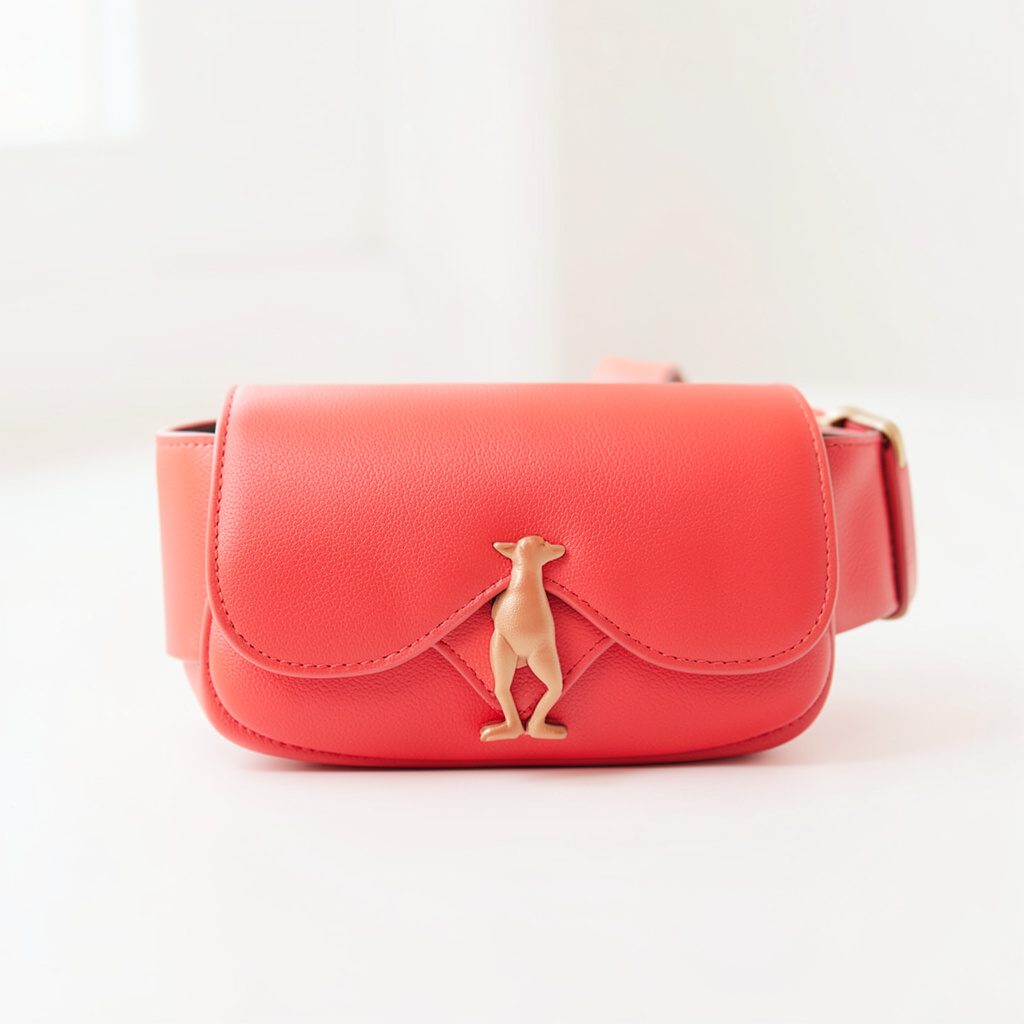
How to Break In Your Replica Hermès Leather Bag Comfortably
A new leather bag can feel firmer, stiffer, and less flexible than expected, especially when it has been stored flat or shipped over a long distance. Carefully softening the handles, loosening the opening, and allowing the leather to respond gradually can make a replica Hermès-style bag more comfortable without causing creases, stains, or permanent distortion.
The most important principle is patience. Replica bags can use genuine leather, coated leather, split leather, synthetic materials, or mixed construction, and each responds differently to moisture, pressure, and conditioning products. Before treating a Birkin, Kelly, Constance, Lindy, Picotin, or similar design, inspect the material and test every product on a hidden area.
Identify The Leather And Construction
Begin by checking the product description, lining, edges, handles, and underside of the bag. The surface may look like smooth calfskin, grained leather, pebbled leather, or a coated finish, but appearance alone does not confirm its composition. Some replica handbags combine a leather exterior with synthetic trim, fabric lining, or bonded panels. A product intended for untreated leather may leave a dull patch on a coated or imitation surface.
Look closely at the areas that need breaking in. Handles often feel rigid because of internal reinforcement, while a flap or gusset may be stiff because it has been folded during packaging. Sharp creases, uneven piping, loose stitching, or a strong chemical smell deserve attention before conditioning. If the bag arrived compressed in a shipping box, let it rest at room temperature for a day rather than forcing it open immediately.
A simple flexibility test can reveal where pressure is appropriate. Gently bend an empty handle between your fingers and observe whether it returns smoothly or shows whitening, cracking, or surface separation. For a structured bag, never fold the body sharply to make it softer. The goal is controlled movement, not a rapid change in shape.
Let The Bag Relax Naturally
Remove all packaging, including tight tissue, foam inserts, plastic film, and temporary protective coverings. Replace these materials with clean, unprinted tissue paper or a soft cotton scarf. Fill the bag lightly so the panels regain their intended shape, but avoid overstuffing. A small cushion of tissue in the corners is usually enough for a Birkin-style or Kelly-style silhouette.
Keep the bag in a cool, dry room away from direct sunlight, heaters, hairdryers, and air-conditioning vents. Australian homes can become particularly warm during summer in Sydney, Brisbane, Perth, or Adelaide, but heat is not a safe shortcut for softening leather. High temperatures can dry natural leather, loosen adhesives, warp structured panels, and make synthetic coatings tacky.
Allow several days of ordinary handling before applying any product. Carrying the bag briefly around the house, opening the closure, and gently lifting the handles gives the material time to adapt to movement. In Melbourne’s cooler weather, the leather may feel slower to relax, while humid coastal conditions can make some finishes feel softer or more slippery. Store the bag in a breathable dust bag rather than a sealed plastic container.
Soften Handles And Stiff Edges Carefully
Handles are usually the first part that causes discomfort. Instead of bending them aggressively, hold each handle with clean hands and move it through its natural range a few times. You can also wrap the handle loosely around a smooth, padded form, such as a rolled cotton towel, for short periods. The support should be rounded and slightly smaller than the desired curve, never hard or narrow.
If the handle rubs against your wrist, use a removable twilly-style scarf or a soft handle wrap. This reduces friction while the leather gradually becomes more supple and can help protect against perspiration, sunscreen, and hand cream. A scarf also gives a practical styling option for warm-weather use in places such as the Gold Coast, where bare skin and humidity can increase contact with the handle.
For stiff corners, gussets, or flap edges, apply light pressure from the inside with your fingertips. Work in small areas and stop if the surface develops pale lines, ripples, or a plastic-like squeak. Never use coins, clamps, heavy books, or tight rubber bands to force a shape. These methods can leave pressure marks that remain visible even after the bag is emptied.
Use Conditioner Only After A Patch Test
Leather conditioner can help a natural leather bag become more flexible, but it should not be the first step. Select a neutral, lightweight product made for the specific finish, and avoid household oils, petroleum jelly, alcohol wipes, baby wipes, and furniture polish. Oils may darken pale leather, weaken adhesives, stain fabric lining, or create an uneven glossy surface.
Test a tiny amount on an inconspicuous location, such as beneath a flap or near the base. Wait at least 24 hours and compare the treated spot with the surrounding material under natural light. If the colour changes, the finish becomes sticky, or the grain looks flattened, do not continue. For coated or synthetic replica materials, a dry microfiber cloth may be safer than any conditioner.
Apply a very thin layer with a soft cloth, using gentle circular motions and avoiding hardware, glazing, stitching, and lining. Let the bag rest before buffing lightly. One modest application is preferable to repeated treatments. Conditioning should support natural flexibility, not make the bag feel oily or dramatically softer in a single session.
Build Comfortable Habits For Daily Carrying
A bag often feels uncomfortable because of weight rather than stiffness. Carry only essentials and distribute them evenly. A phone, cardholder, keys, sunglasses, and a small pouch may be sufficient for everyday errands, while heavy water bottles, large cosmetics cases, and metal accessories can pull on handles and distort the base. In busy Australian cities, a lighter load is also more convenient when moving between trains, cafés, offices, and shopping areas.
Use a bag organiser only when it fits the interior without pressing against the walls. A soft felt organiser can support a slouchy Lindy or Picotin-style bag, while a rigid insert may put unwanted pressure on a structured replica Birkin or Kelly shape. Keep pens, makeup, and opened sunscreen in sealed pouches. Australian sun protection products are useful outdoors, yet their oils and filters can transfer easily to leather.
Be cautious around rain, pools, beaches, and outdoor markets. Sudden showers in Brisbane or tropical humidity in Darwin can affect unfinished leather, while red dust around regional markets may settle into textured grain. If the bag becomes damp, blot it with a clean cloth and let it dry naturally. Do not place it near a heater or use a hairdryer. For travel between cities, keep it upright in a dust bag and avoid storing it under heavy luggage.
A Gentle Break-In Routine
- Inspect the leather, lining, handles, stitching, and hardware before applying anything.
- Leave the bag lightly stuffed at room temperature for 24 to 72 hours.
- Handle stiff areas for a few minutes at a time rather than forcing them into shape.
- Use a scarf or removable wrap to reduce wrist friction while handles soften.
- Patch-test any leather conditioner and wait a full day before wider application.
- Keep the bag away from heat, sealed plastic, excessive moisture, and heavy contents.
Australian buyers should also distinguish between a replica described honestly as an inspired product and an item presented as authentic. Trade mark and customs rules can affect the importation and commercial supply of counterfeit goods, and Australian Border Force may seize prohibited imports. The Trade Marks Act 1995 and related customs requirements are relevant areas to check through official Australian sources. This care guidance does not change the legal status of a product or verify its authenticity.
A well-broken-in bag should become easier to carry while keeping its proportions, surface finish, and hardware secure. The best result is subtle: handles that sit comfortably, a flap that opens without resistance, and leather that moves naturally without looking collapsed or overworked. With moderate use, sensible storage, and careful product testing, a replica Hermès-style bag can develop a more relaxed feel while retaining its polished appearance.
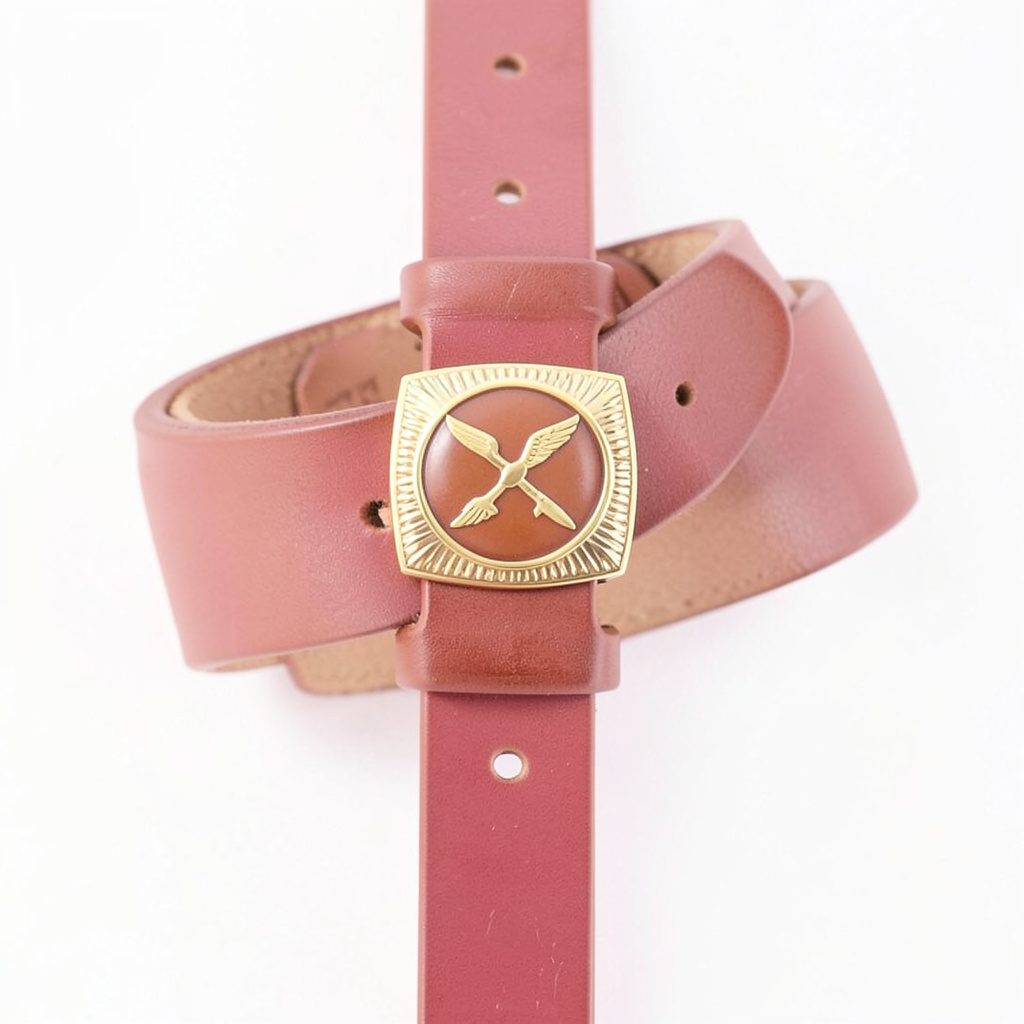
Belts, Bracelets & Bag Charms
Wallet styles, belts for men and women, bracelets, card holders, and shoulder straps crafted for everyday wear, including the Oscar Buckle and Lennox belts.
Shop Accessories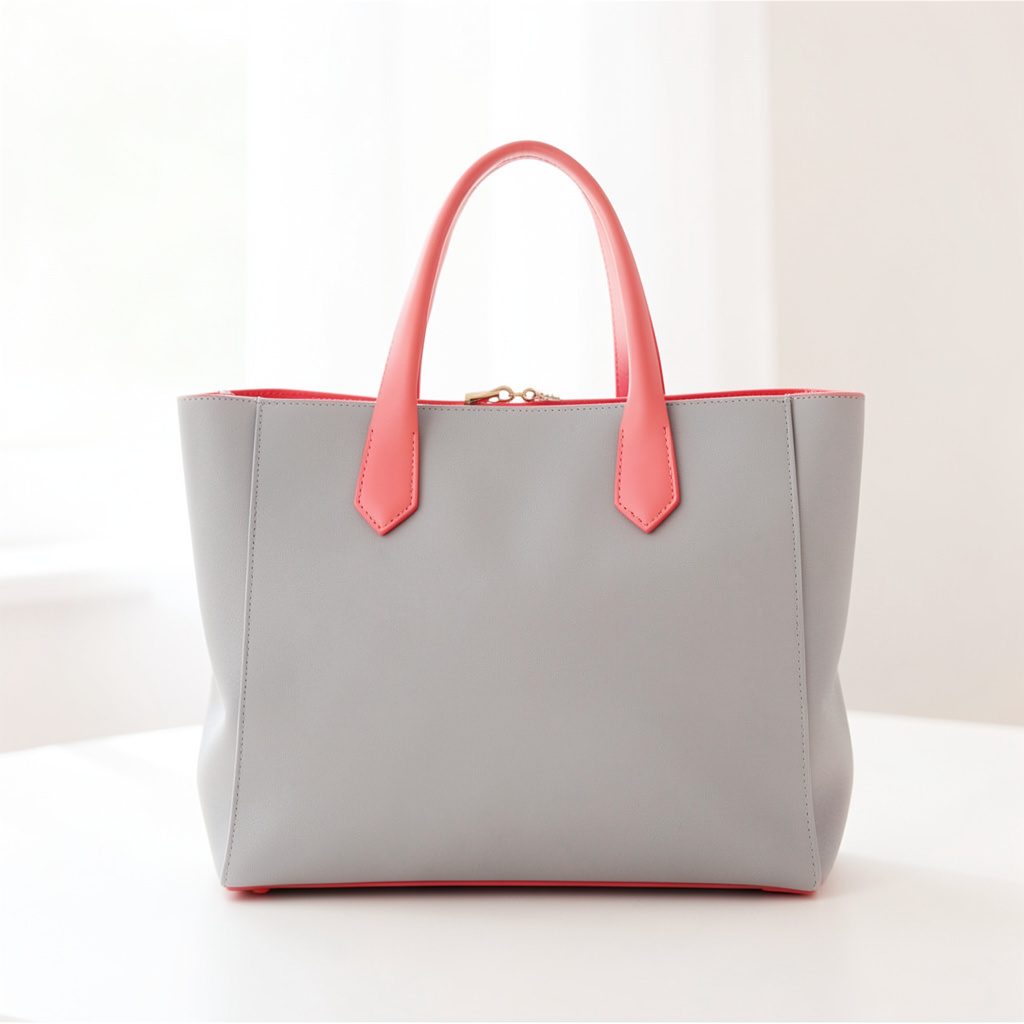
Birkin, Kelly & Bolide
Handmade replica Hermès bags in sizes 25cm, 30cm, 35cm, 40cm, and 42cm across Epsom and Clemence leather, in shades from Sapphire and Orange to Grey and Gold.
Explore HandbagsStay in the Loop
Sign up for store updates, new arrivals, and outlet offers.