How to Clean Replica Hermès Fabric Linings Without Damage
A fabric lining is where dust, makeup, body oils and food spills usually land first. It also shows handling more clearly than the exterior, so a small mark can make a beautiful replica Hermès bag look neglected. Cleaning the textile interior is straightforward, but the safest method is gentle and controlled rather than aggressive.
Replica Hermès bags may use different linings from one style or batch to the next. Cotton twill, canvas, microfibre and printed jacquard all behave differently, and a solution that lifts grease from one may leave a water ring on another. For model-specific material details, check the product listing; a quick look at the retailer’s company background and standards can also help you judge whether care information is available.
Australian weather shapes the routine. Humid days in Sydney can encourage odours inside a closed bag, while Melbourne’s wind can drive dust into seams. Brisbane’s strong sun and Canberra’s dry winter create different drying risks. Use filtered or distilled water where tap water is hard, and never park a damp bag in direct sunlight.
The basic rule is to use the least amount of moisture and product needed. Test every cleaner in a hidden corner, work from the outside of the stain towards its centre, and stop if dye lifts or the fabric feels rough. A lining that needs more than careful spot treatment is best left to a specialist.
Know the fabric before you clean
Remove the bag from its dust bag and empty pockets, keys and cosmetics. Open the zip fully and inspect the lining under good light. A magnifying glass or the camera on your phone can reveal fibre type, loose threads and the exact point where a stain begins.
Check the bag for a sewn-in care label, then compare that information with the product listing and seller guidance. If the label is missing, assume the textile is delicate until proven otherwise. Dyed jacquard, dark lining and pale canvas need more caution than plain, tightly woven fabric.
Turn the bag inside out if the design allows it, but support the base and avoid pulling at the leather trim. Put a clean white cloth beneath the area and rub a barely damp cloth over an unseen seam. If colour transfers, discoloration appears or the pile changes, use a dry method instead.
Prepare with the right kit and checks
Lay out everything on a clean table before touching the lining, preferably near a window but out of direct sun. Choose a workspace where you can move the bag without creasing the leather.
Before you start, work through this pre-cleaning checklist:
- Empty the bag and remove loose objects.
- Photograph the lining for comparison later.
- Check the care label and material listing.
- Patch-test any cleaner in a hidden area.
- Protect nearby leather, hardware and stitching.
Gather these basic items for the job:
- Soft white microfibre cloths
- Small soft-bristled brush
- Mild detergent suitable for delicate textiles
- Cotton swabs and a plain sponge
- Filtered water and a small bowl
Use a fragrance-free, colourfast cleaner diluted with filtered water. Avoid bleach, ammonia, alcohol, household disinfectants and perfumed wipes; they can strip dye, leave sticky residue or make a delicate fibre brittle. Keep cleaning products away from children and pets, as many Australian homes also have curious dogs nearby.
Treat each kind of stain
For fresh body oil or grease, blot rather than rub. Place plain white paper towel over the mark, press gently and lift it away. If the residue remains, mix a drop of mild detergent into a bowl of water, dampen a cloth and dab from the edge inward. Repeat with clean water only after the grease has disappeared.
For food, tea or wine, lift any solid material with a spoon and blot the liquid immediately. A cool, barely damp cloth handles most fresh marks. Do not add hotter water in the hope of removing a protein stain, because heat can set it. For stubborn traces, a textile-safe enzyme cleaner may help, but patch-test it first.
Ink and dye transfer need restraint. Lift a wet mark with a clean cloth, then dab with a cloth lightly moistened in cool water. A white vinyl eraser can sometimes lift dried ink from robust cotton canvas, but keep it off printed or pile fabrics. Cosmetic marks around the zip should be treated one small area at a time, with no scrubbing.
Odours are usually a humidity issue rather than a reason to soak the bag. Empty it, wipe the lining with a barely damp cloth and let it air overnight away from food and fragrance. A small bowl of baking soda placed nearby can absorb mild odours; keep the powder from touching the textile and replace it after use.
Deep clean without soaking the bag
For a broad but light dust coating, use a soft brush while the bag is open and supported. A vacuum on its lowest suction setting can collect loose grit, but fit mesh over the nozzle and keep it away from the zip teeth. Vacuuming first reduces the amount of water and detergent needed later.
For a more thorough clean, add a small amount of mild detergent to cool filtered water and stir it without making foam. Dampen a white microfibre cloth so it is evenly wet but not dripping, then squeeze out the excess. Test that cloth on the lining, working in small circles or light dabbing motions.
Follow with a second cloth dampened only with filtered water. Blot, rather than rub, to remove detergent and avoid distorting the weave. Never pour water into the bag, wring the lining, use a steam cleaner or put the bag in a washing machine. Moisture can reach the glue, lining board and leather edges before the fabric appears dry.
Dry, reshape and check the result
Reshape the bag as soon as cleaning is finished. Push soft, acid-free tissue into the corners and around the sides, then leave the bag open in a shaded, ventilated room. Avoid radiators, tumble dryers and direct sun, all of which can shrink, fade or stiffen the lining.
In humid weather, place the bag near a dehumidifier rather than trying to hurry it with heat. In dry conditions, a packet of silica gel can help manage moisture, provided it cannot spill or touch the fabric. Check the lining every few hours and change the supporting tissue if it becomes damp.
Once the fabric is fully dry and cool, compare it with your photographs and check for water marks, colour transfer or a stiff patch. Brush the pile gently and allow the bag to rest before use. Wipe the exterior separately with a product appropriate to its leather or canvas finish, keeping moisture away from the cleaned lining.
Build a care routine that suits Australia
After each outing, empty crumbs and cosmetics, then wipe the lining with a dry white cloth. Store the bag upright in its dust bag with acid-free tissue, but do not seal it in plastic for months; trapped humidity is a common cause of musty smells in Sydney and coastal Queensland. Refill the tissue every few months to help the bag hold its shape.
Australians might say a bag needs to “give it a proper clean”, but that does not mean chucking the whole thing in the wash. A careful spot clean is usually enough for a little sunshine or a splash at a café. Local conditions also make ventilation important: a shaded, dry airing in the evening is often more useful than a warm, humid morning.
Shopping habits matter too. Australian buyers commonly compare GST-inclusive prices in Australian dollars across eBay Australia, Sell Seek and Facebook Marketplace, while checking postage, seller feedback and return terms. Specialist leather and textile cleaners can quote on difficult marks, but disclose the bag’s replica construction and lining material first, then ask for the gentlest workable treatment.
Belts, Bracelets & Bag Charms
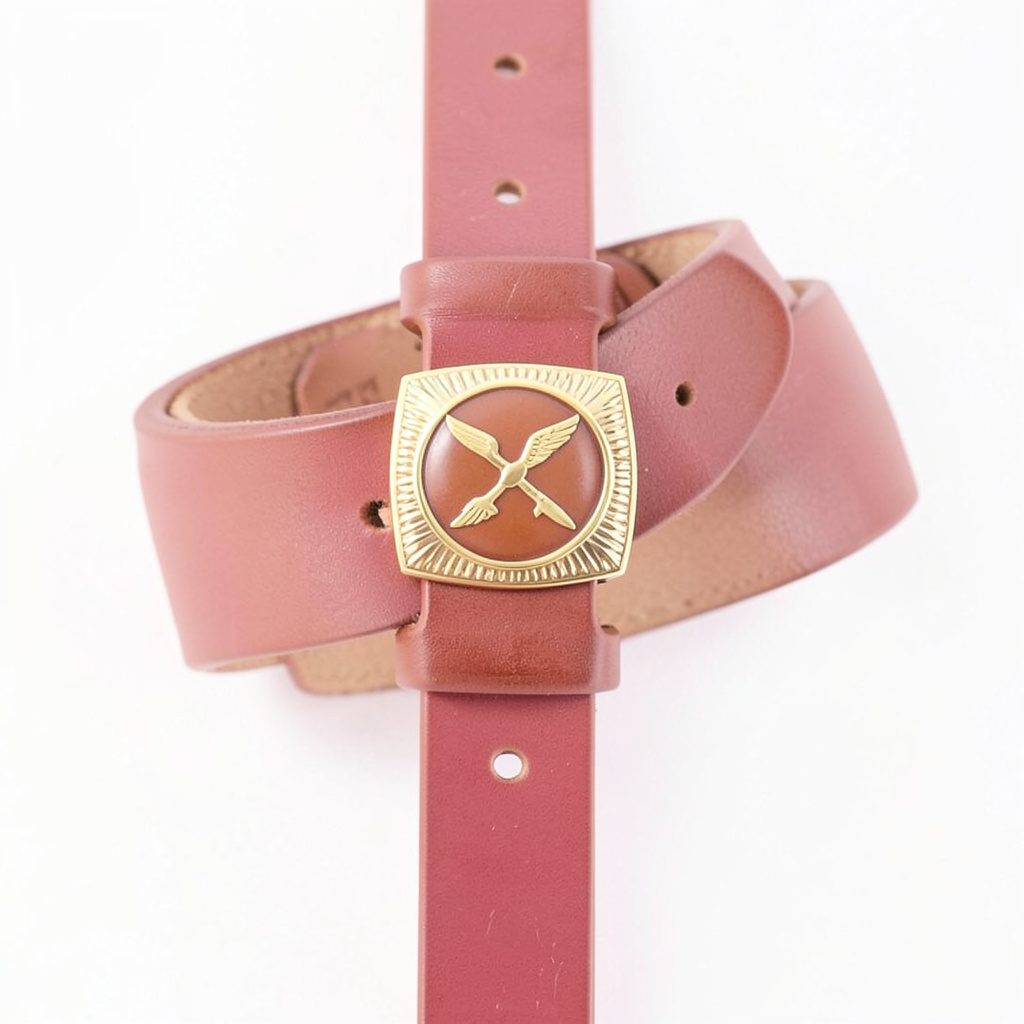
Wallet styles, belts for men and women, bracelets, card holders, and shoulder straps crafted for everyday wear, including the Oscar Buckle and Lennox belts.
Shop Accessories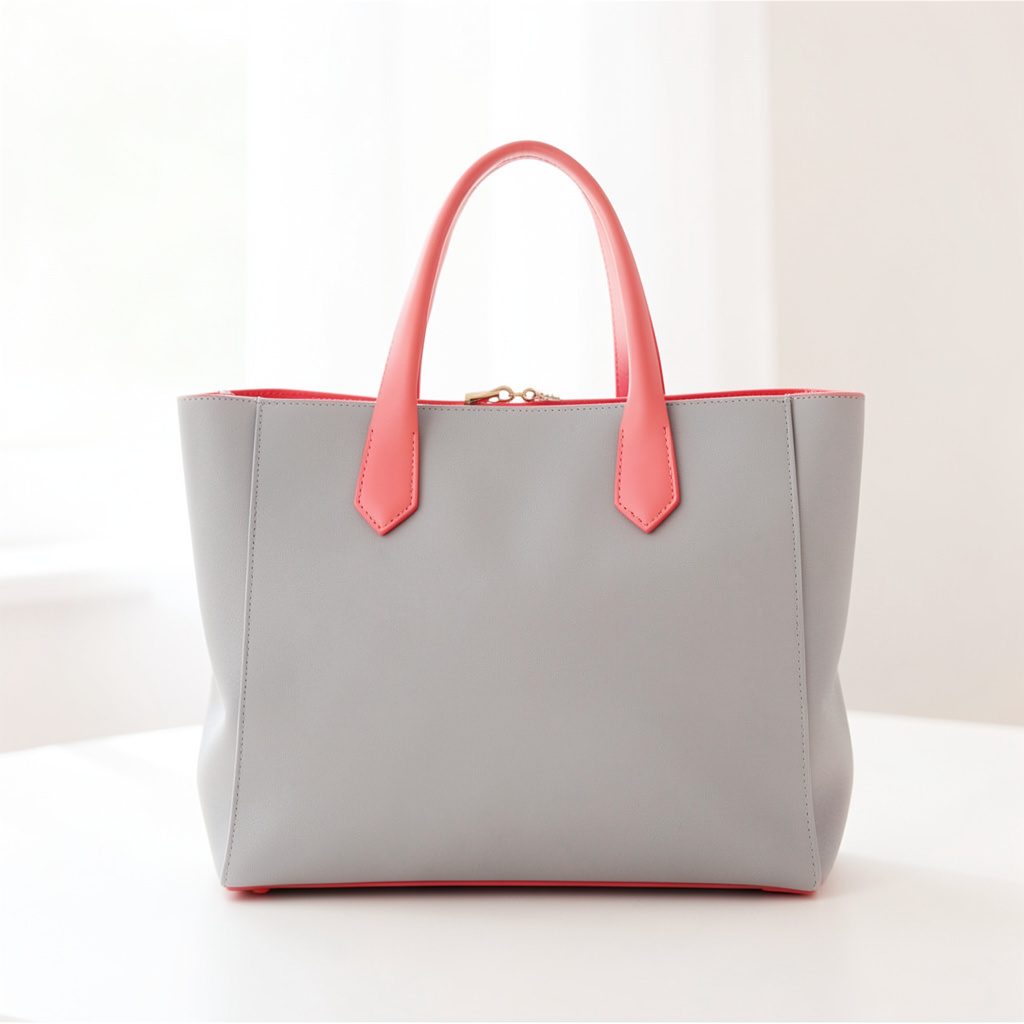
Birkin, Kelly & Bolide
Handmade replica Hermès bags in sizes 25cm, 30cm, 35cm, 40cm, and 42cm across Epsom and Clemence leather, in shades from Sapphire and Orange to Grey and Gold.
Explore HandbagsStay in the Loop
Sign up for store updates, new arrivals, and outlet offers.