Caring for Silk Scarves and Twillies in Australian Conditions
A silk scarf can lift an outfit from plain to considered in seconds, which is why so many wardrobes in Sydney, Melbourne, and Brisbane keep a small collection within easy reach. Twillies, the narrow ribbon-style bands, work the same quiet magic on handbag handles, ponytails, and wrists. Both pieces are made from delicate fibres that reward gentle handling, and the way you wash, dry, and store them will determine how long they hold their colour and shape. Australian conditions add a few extra wrinkles to the routine, from the bleaching sun on a Saturday brunch in Bondi to the salty air drifting through a coastal apartment in Fremantle.
The replica market has made these accessories easier to find locally and online, with many sites offering free shipping to Australian postcodes. Replica Hermès-inspired pieces typically mimic the brand's silk twill and printed designs, so the same care principles that apply to the originals work just as well for their look-alikes. Knowing what your scarf is made of, and how the dyes have been set, lets you choose a cleaning method that protects both the fabric and the print.
Before reaching for any cleaning product, it helps to understand that silk is a natural protein fibre, similar in structure to human hair. Harsh detergents strip the natural sericin that gives silk its lustre, and hot water can cause the fibres to shrink or distort. Twillies, being smaller and often tied tightly, are more prone to creasing and can lose their shape if wrung out carelessly.
In Australia, where apartments in cities like Melbourne and Sydney rarely include in-unit laundries, many people rely on communal laundromats or sink washing. Both options work for silk, but the choice depends on your building's facilities, your time, and how delicate the piece is. The advice below covers both methods, plus drying, pressing, and storage that suits the local climate.
What silk and twillies are made of
Silk scarves are usually woven from mulberry silk in a twill weave, which gives the fabric a subtle diagonal texture and a soft drape. The weight is measured in momme, with most scarves sitting between 12 and 16 momme. Higher momme counts mean a denser, more durable cloth that resists wear over time.
Twillies are essentially narrow strips of the same silk, often around 4 to 5 centimetres wide and 80 to 90 centimetres long, finished with hand-rolled edges. Because they are smaller, they tend to look dirtier faster, especially when used to wrap bag handles that collect hand cream and natural oils. The same dyes are used on both formats, so colour bleeding is a real risk during the first few washes.
Both items respond best to pH-neutral cleaners and lukewarm water. A mild baby shampoo or a dedicated silk wash works well, and a teaspoon of white vinegar in the rinse water helps set the dyes. The same routine can be used on a vintage scarf rescued from a Brisbane op shop or a newer piece bought online.
Reading the care label and testing for colour fastness
Every scarf arrives with a small care label, often sewn into a corner seam. Most recommend dry cleaning, partly because it shifts responsibility to a professional and partly because it protects the maker from dye-bleed claims. Hand washing is usually safe, but it is worth testing a hidden corner first.
Dampen a cotton bud with cool water and press it against an inconspicuous edge of the scarf. If colour transfers, the piece needs a slower, more cautious approach, or a trip to a specialist dry cleaner. Australian Consumer Law supports buyers in cases where a product fails to perform as described, and reputable sellers will refund or replace scarves that bleed excessively on the first wash.
For a stronger test, mix a small bowl of lukewarm water with a drop of silk wash, dip a corner of the scarf in, and leave it for two minutes. Press the wet area onto a white cotton cloth. Any transfer means the dyes are not fully set, and the scarf should be washed alone, in cold water, with extra vinegar added to the rinse.
Hand washing the gentle way
Fill a clean basin with lukewarm water, around 30 degrees Celsius, and add a small amount of silk-friendly detergent. Swish the water to distribute the soap, then submerge the scarf or twilly. Leave it to soak for three to five minutes, gently pressing the fabric under the water rather than rubbing or scrubbing.
Move the item from the soapy water to a second basin of clean, cool water and press out the soap. Repeat until the water runs clear. A final rinse with a teaspoon of white vinegar in cool water helps lock in the colour, particularly important for the bold reds, oranges, and yellows that often appear in printed silk.
Lift the scarf out without wringing, supporting the full weight with both hands to prevent stretching. Roll it loosely in a clean, dry towel, press gently, and repeat with a second towel if the first becomes saturated. The piece should feel damp, not dripping, before moving to the drying stage.
Tools that make hand washing easier
- Two clean plastic basins or a deep kitchen bowl for soaking and rinsing
- A pH-neutral silk wash, baby shampoo, or a teaspoon of white vinegar per litre of water
- Soft white cotton towels, an old tea towel works well, for pressing out moisture
- A mesh laundry bag for the rare occasion a machine cycle is used
- A padded hanger or a flat drying rack placed in a shaded spot
Machine washing when time is short
Hand washing is always the safer choice, but apartment living in places like Parramatta or South Yarra often means the kitchen sink doubles as a laundry, and a proper basin may not be available. A front-loading washing machine with a delicate or silk cycle is the next best option, and modern machines in newer Australian apartments often include one.
Place the scarf inside a mesh laundry bag, add a small amount of silk detergent, and set the machine to cold water, low spin, and a short cycle. Avoid top-loaders with central agitators, as the twisting motion can stretch and crease the fabric. Never mix a silk scarf with towels, denim, or anything that has zips or hooks, as these can snag the delicate weave.
Skip the fabric softener, which leaves a residue that dulls the print, and remove the scarf as soon as the cycle ends. Reshape it by hand while it is still damp, paying attention to the corners and edges, then move directly to drying.
Drying without creasing or fading
The Australian sun is strong, with UV levels in Sydney and Perth regularly climbing above 10 in summer, and this intensity fades silk dyes quickly. Always dry scarves and twillies away from direct sunlight, even on a cloudy day, as UV rays cut through cloud cover.
Lay the item flat on a clean, dry towel away from windows, or hang it over a padded hanger in a shaded spot indoors. A clothes-drying rack placed in a laundry or bathroom works well, and a small fan helps the air circulate. Twillies can be clipped at one end with a plastic peg, but avoid metal pegs that can leave rust marks on damp silk.
Resist the urge to speed things up with a tumble dryer, which shrinks and weakens the fibres. Most scarves dry within two to three hours in a well-ventilated room, longer on humid Brisbane afternoons. The piece is ready for the next step when it feels almost dry, with just a hint of dampness remaining.
Ironing and pressing for a clean finish
Silk wrinkles easily, and a freshly washed scarf often needs pressing before it goes back into rotation. Ironing while the fabric is still slightly damp makes the job easier and reduces the risk of scorching. Set the iron to its lowest heat setting, around 110 degrees Celsius, and turn off the steam function, which can leave water marks.
Place a clean, white cotton cloth over the scarf as a pressing cloth. Move the iron gently across the surface without pressing down hard or leaving it in one spot. For stubborn creases, hover the iron above the fabric and let the steam do the work, then smooth the area by hand.
Twillies can be pressed flat in the same way, or rolled around a clean cardboard tube to keep their shape. A lint-free cloth or a soft brush removes any stray fibres before the piece is stored.
Common mistakes that damage silk scarves
- Wringing or twisting the fabric to remove water, which stretches the weave and sets deep creases
- Hanging in direct sunlight, which bleeds the dyes and weakens the fibres
- Using regular laundry detergent or bleach, which strips the natural sheen from silk
- Ironing on a high heat setting without a pressing cloth, which scorches the surface
- Storing in plastic bags, which trap moisture and encourage mildew
Storing scarves in the Australian climate
Humidity is the enemy of stored silk, encouraging mildew and yellowing on white or pale prints. Australian homes, particularly those near the coast in places like the Gold Coast or Geelong, often run humid for parts of the year. A small dehumidifier in the wardrobe, or silica gel packets tucked between folded scarves, helps keep moisture in check.
Fold scarves loosely with acid-free tissue paper, or roll them around a tube to prevent hard creases. Store in a drawer or on a shelf away from direct light, and avoid plastic bags, which trap moisture. Twillies can be kept in a small box or tied loosely in a bundle so they do not tangle.
For long-term storage during the off-season, wrap each piece in clean cotton muslin and place it in a breathable storage box. Cedar blocks or lavender sachets deter moths and silverfish, which can chew through silk in quiet corners of a wardrobe. A quick check every few months keeps the collection fresh, ready for the next cool change or weekend escape to the Mornington Peninsula.
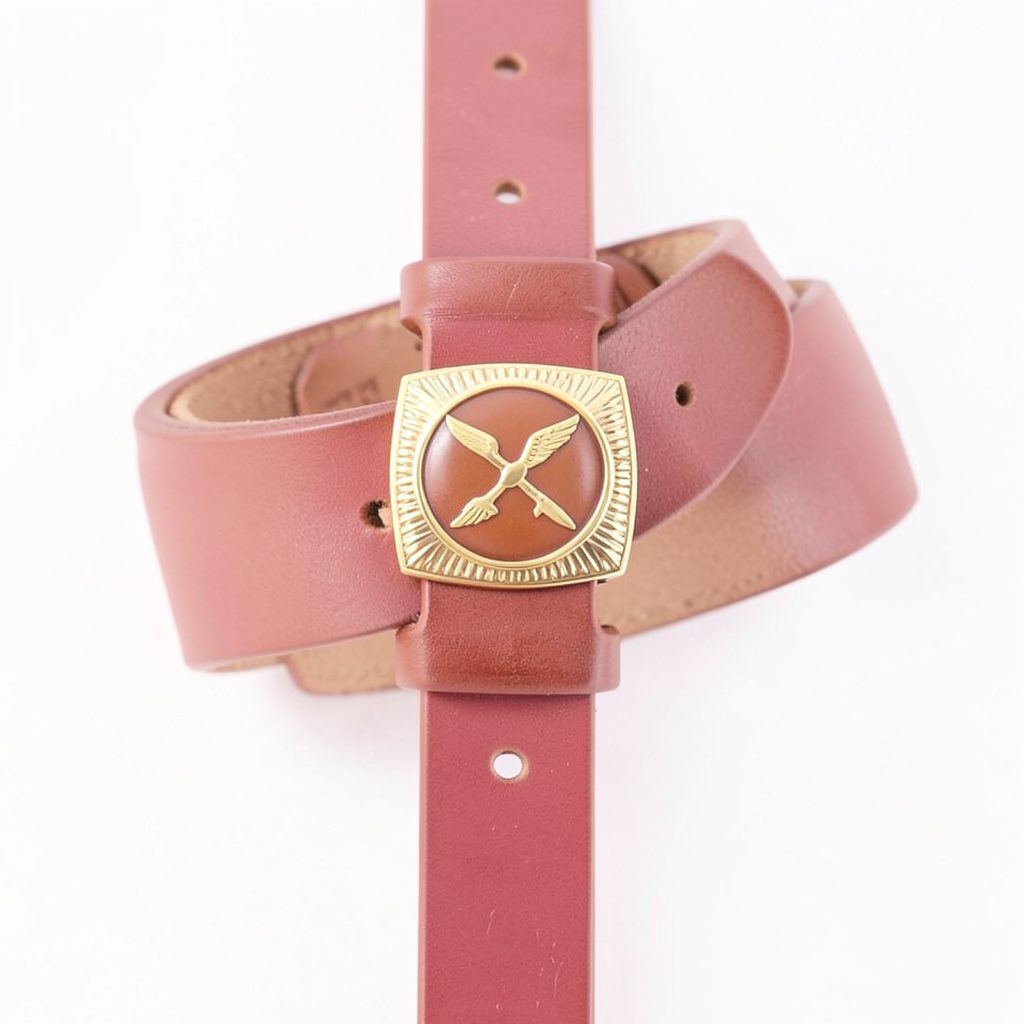
Belts, Bracelets & Bag Charms
Wallet styles, belts for men and women, bracelets, card holders, and shoulder straps crafted for everyday wear, including the Oscar Buckle and Lennox belts.
Shop Accessories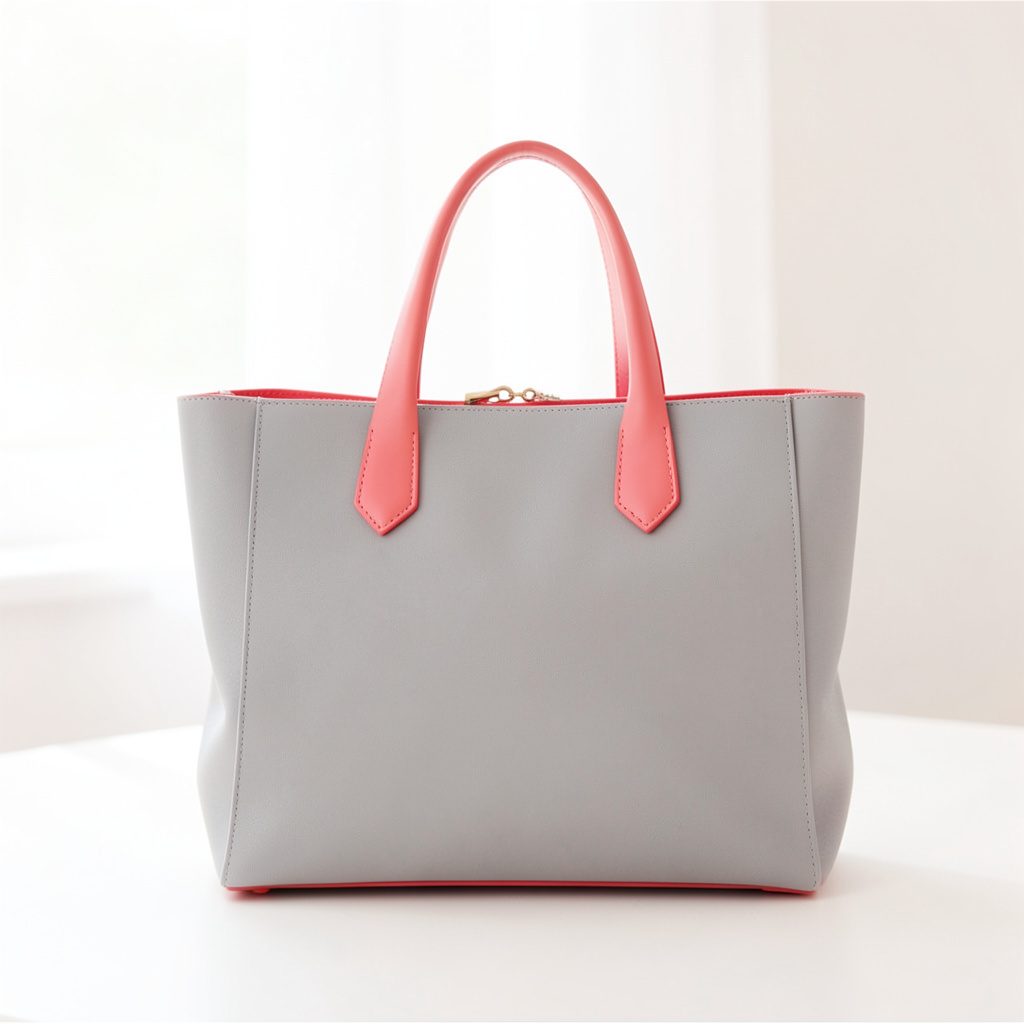
Birkin, Kelly & Bolide
Handmade replica Hermès bags in sizes 25cm, 30cm, 35cm, 40cm, and 42cm across Epsom and Clemence leather, in shades from Sapphire and Orange to Grey and Gold.
Explore HandbagsStay in the Loop
Sign up for store updates, new arrivals, and outlet offers.