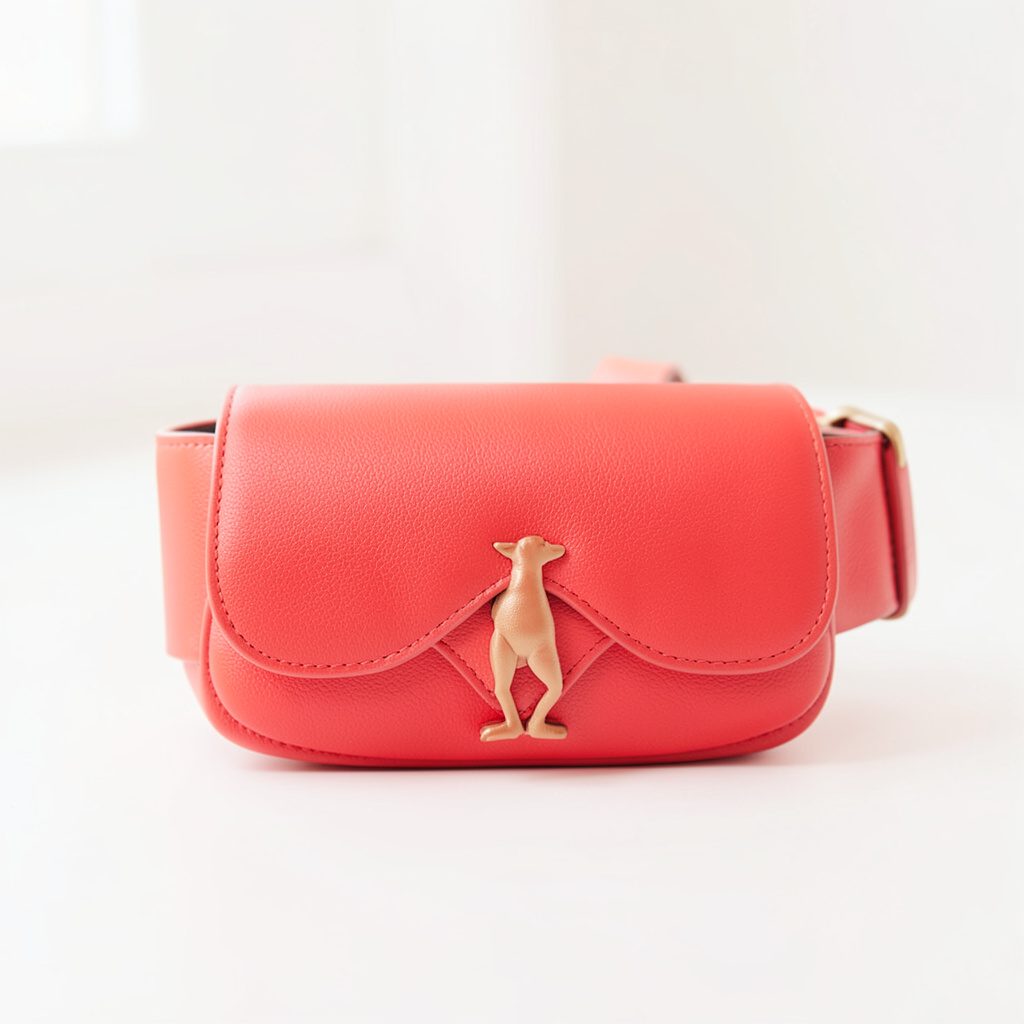
How to Keep Replica Hermès Leather Supple and Crack-Free
A well-made replica Hermès bag can remain attractive for years when its leather or coated finish receives regular, gentle care. Cracking usually develops gradually: the surface loses natural oils, folds become dry, and repeated exposure to heat or moisture weakens the material. A simple conditioning routine can help preserve softness, colour and structure.
The correct method depends on the material. Smooth leather, grained leather, suede, canvas trims and synthetic finishes do not respond to the same products. Before treating a Birkin, Kelly, Constance, Lindy or Picotin-style bag, identify the surface and test any cleaner or conditioner on a hidden area.
Australian conditions make this especially important. Strong sunlight in Brisbane, dry indoor air in Melbourne during winter, coastal salt around Sydney or Perth, and hot car interiors can all affect handbags. Good storage and light, consistent maintenance are safer than trying to restore a badly dried surface.
Understanding the material before treatment
Replica handbags may be made from genuine leather, split leather, bonded leather, polyurethane-coated material or a synthetic leather substitute. A product suitable for full-grain leather may leave a greasy film on a coated surface, while a heavy balm can darken pale colours such as etoupe, gold, craie or white.
Look closely at the bag’s texture and finish. Smooth leather usually has a relatively even surface with a soft natural feel. Grained leather has a visible pattern and may be slightly more tolerant of everyday handling. A glossy, plastic-like finish is more likely to be coated or synthetic and should receive minimal product. Suede and nubuck need a specialist brush rather than a traditional leather cream.
Hardware and edge paint also require protection. Conditioning products can stain stitching, soften painted edges or cloud metal fittings. Cover areas such as turn-locks, buckles and feet with low-tack masking tape, or apply product with a narrow cotton bud rather than spreading it across the whole bag.
Clean gently before applying conditioner
Conditioner should never be applied over dust, body oil or grit. Small particles can work into creases during rubbing and create fine scratches. Begin by emptying the handbag and using a soft, dry microfibre cloth to remove surface dust from the leather, handles and flap.
For light marks, slightly dampen a clean cloth with lukewarm water and wring it almost dry. Dab rather than scrub, working in small sections. A mild, fragrance-free leather cleaner can be used only when the material is confirmed as compatible. Avoid baby wipes, alcohol-based sprays, disinfectant, saddle soap and household detergent, as these may strip colour or leave residues.
Allow the bag to dry naturally at room temperature before conditioning. Do not use a hairdryer, heater, clothes dryer or direct afternoon sun. Heat can tighten leather fibres, distort the shape and accelerate peeling on synthetic coatings. If the bag has absorbed rain, blot it with a towel and leave it open with clean paper inside.
Select a light, compatible conditioner
A suitable conditioner should replenish flexibility without making the surface wet or oily. Look for a neutral, water-based leather lotion or a product specifically labelled for the type of leather involved. Avoid products containing strong solvents, silicone-heavy shine agents or darkening oils unless the manufacturer clearly recommends them.
Always patch-test first. Apply a pinhead-sized amount to an inconspicuous section beneath the flap or near an interior seam. Leave it for at least 24 hours and check for colour transfer, stickiness, clouding, uneven darkening or changes in texture. If anything looks different, do not use that product on the rest of the bag.
When choosing between similarly styled bags, material information is worth checking before purchase; a boutique collection such as leather bag styles may group products by finish, colour and construction, which can help you plan an appropriate care routine. Product descriptions are useful, but they should not replace a patch test because replica batches can vary.
Apply conditioner in thin, even layers
Place a very small amount of conditioner on a soft, lint-free cloth rather than directly on the bag. Work with gentle circular movements on one panel at a time, keeping the layer extremely thin. Pay special attention to handles, corners and fold lines because these areas experience the most contact and movement.
Leave the product to absorb for the period stated on its instructions. Many light lotions need only a few minutes, while thicker creams may require longer. Afterward, buff the surface with a fresh cloth until it feels smooth and dry. A conditioned bag should feel supple, not slippery, tacky or visibly wet.
Do not condition every week. Over-treatment can block the pores of natural leather, attract dust and create a dull coating. For a frequently used handbag, a light treatment every two to four months is often sufficient. A bag carried occasionally may need attention only twice a year, with cleaning and inspection between applications.
Protect handbags from Australian conditions
Sunlight is one of the most common causes of fading and dryness. Store bags away from windows, skylights and balconies, particularly during the intense summer hours in Queensland, Western Australia and the Northern Territory. A dust bag is helpful, but it should be breathable cotton or another non-abrasive fabric rather than sealed plastic.
Humidity also varies sharply across Australia. In Darwin and tropical parts of Queensland, keep handbags in a ventilated cupboard and consider moisture control if the room becomes damp. In dry inland areas or air-conditioned homes, avoid placing leather directly beneath a vent. A moderate indoor environment is better than extreme dryness or constant temperature changes.
Storage shape matters as much as conditioning. Fill the body loosely with acid-free tissue paper or clean, unprinted paper so the leather does not collapse into permanent folds. Keep handles upright where possible, separate light and dark bags, and avoid stacking heavy items on top. In a Sydney or Melbourne apartment, a cool wardrobe shelf is usually safer than a sunny entryway or a hot garage.
A practical care rhythm
Use this routine to reduce cracking, staining and deformation:
- Dust the handbag with a dry microfibre cloth after periods of frequent use.
- Treat small marks promptly with minimal moisture instead of vigorous rubbing.
- Patch-test every new cleaner or conditioner on a hidden area for 24 hours.
- Condition high-contact areas lightly every two to four months, depending on use.
- Store the bag filled, covered and away from direct sunlight, heaters and air-conditioning vents.
- Inspect handles, corners, piping and fold lines before damage becomes deep.
Cracks that have already opened cannot usually be reversed with extra conditioner. Applying more product may soften the surrounding surface while leaving the damaged area visible. For splitting edges, peeling coatings or severe dryness, stop rubbing and consult a specialist leather repairer. In Australia, a local repair professional can assess whether recolouring, edge repainting or panel replacement is appropriate.
Regular observation is the most reliable form of prevention. A few minutes of gentle cleaning, a restrained amount of compatible conditioner and careful storage will help a replica handbag retain its shape and finish through changing seasons, from humid Brisbane summers to dry Melbourne winters.
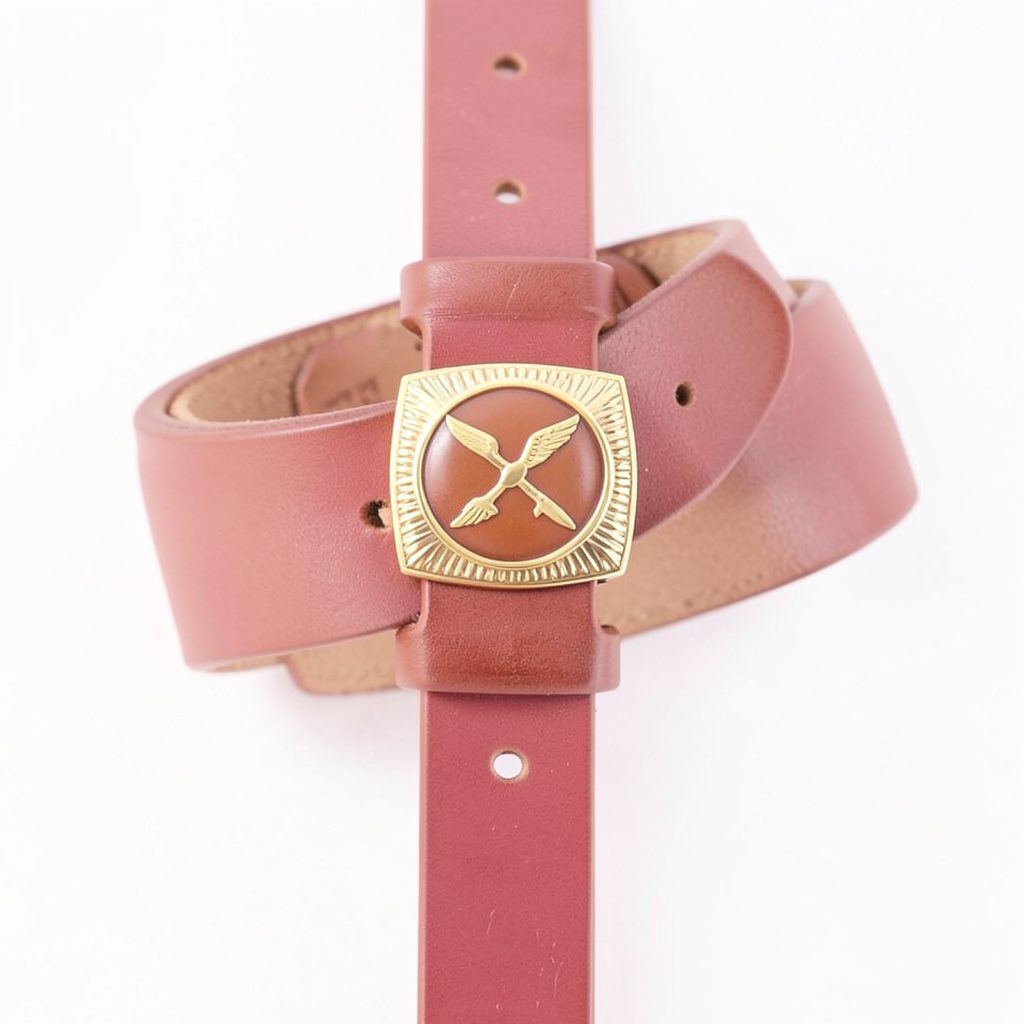
Belts, Bracelets & Bag Charms
Wallet styles, belts for men and women, bracelets, card holders, and shoulder straps crafted for everyday wear, including the Oscar Buckle and Lennox belts.
Shop Accessories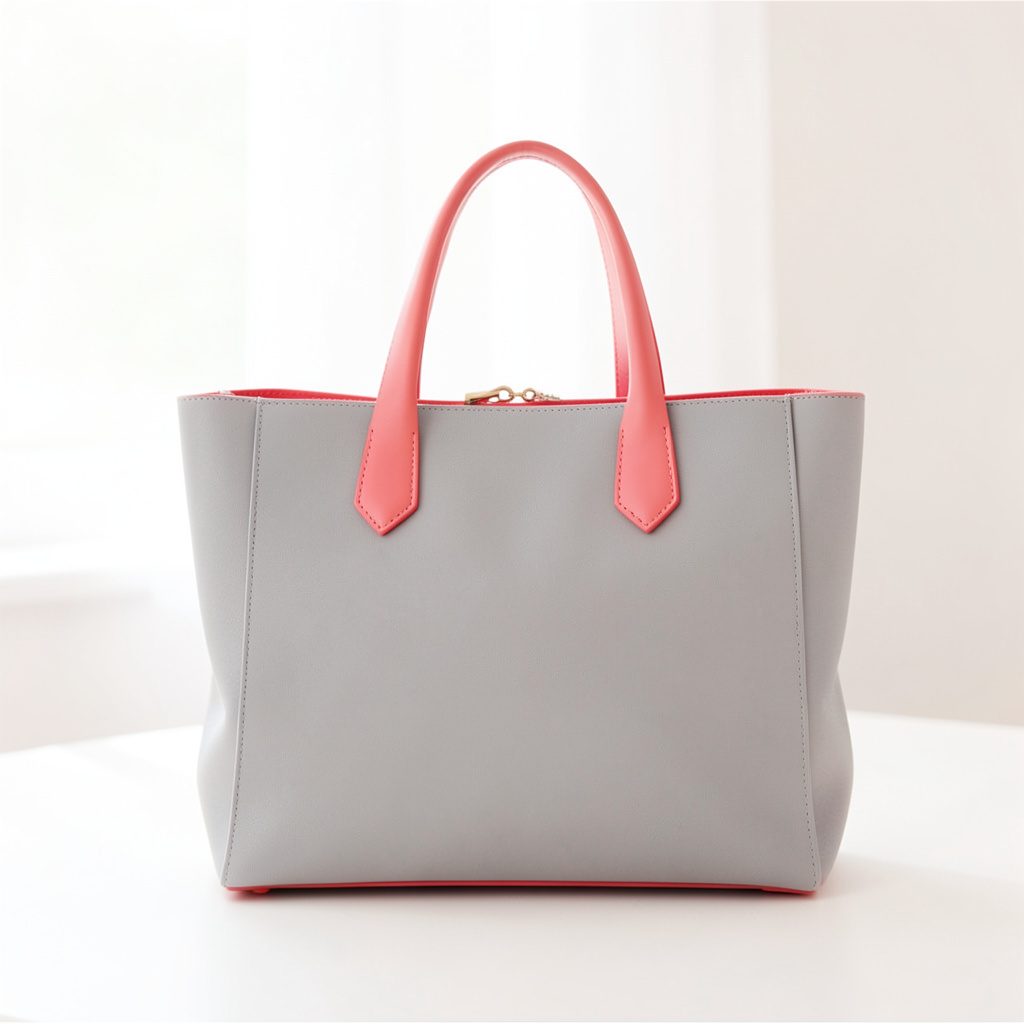
Birkin, Kelly & Bolide
Handmade replica Hermès bags in sizes 25cm, 30cm, 35cm, 40cm, and 42cm across Epsom and Clemence leather, in shades from Sapphire and Orange to Grey and Gold.
Explore HandbagsStay in the Loop
Sign up for store updates, new arrivals, and outlet offers.