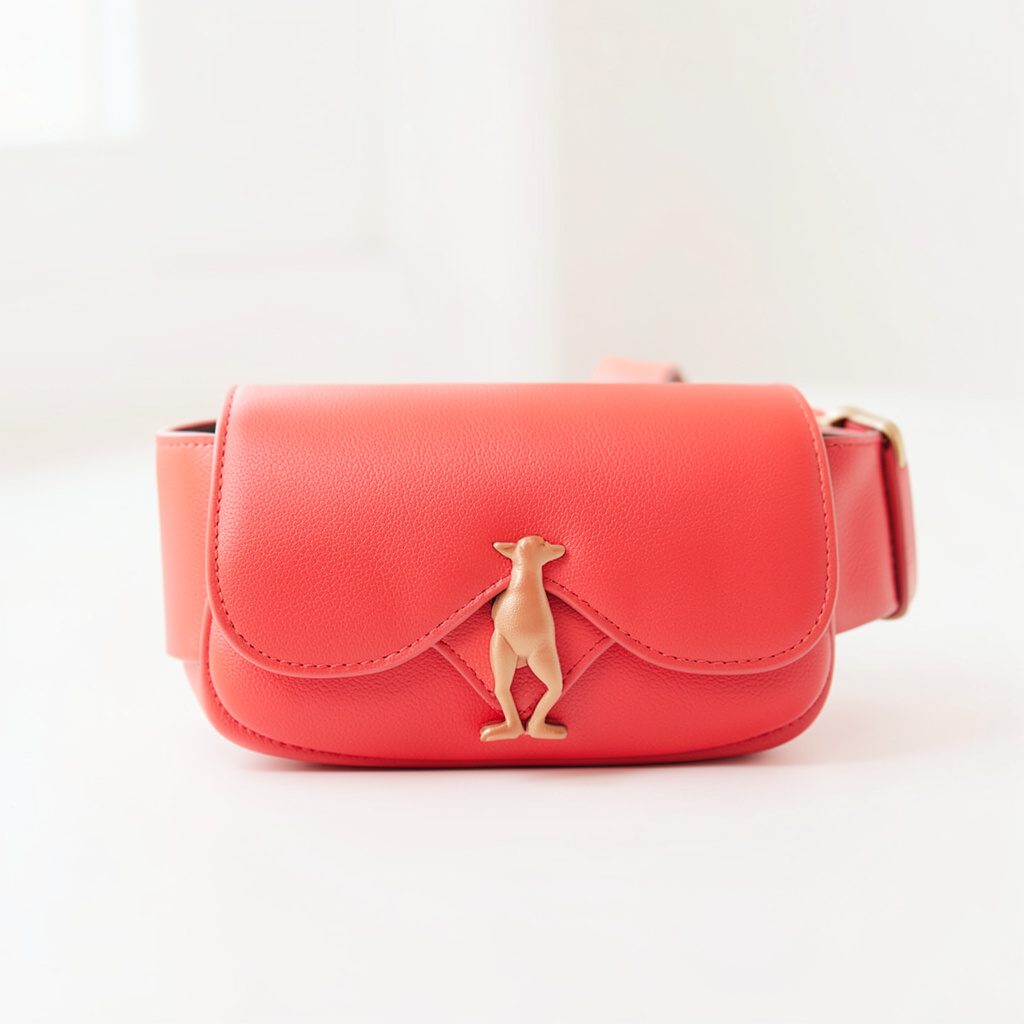
How to Identify Different Replica Hermès Leather Types by Touch
A handbag’s leather can reveal a surprising amount through texture, flexibility, grain, and warmth. When inspecting a replica Hermès bag, touch helps you understand whether the material is soft and relaxed, firm and structured, finely pebbled, or smooth with a polished finish. It also gives useful clues about how the bag may age with regular use.
The best approach is to treat touch as one part of a broader inspection. Stitching, edge paint, hardware, lining, shape, and overall construction should support what your fingers detect. Replica production varies widely, so a convincing texture does not prove that a bag is made from the same leather as an original Hermès piece.
For Australian shoppers, climate and lifestyle can affect the experience of leather. A bag carried through humid Brisbane summers may feel different from one used during a dry Melbourne winter. Salt air around Sydney, Perth, or the Gold Coast can also influence how leather feels over time, especially if it is frequently exposed to moisture or sunscreen.
The following guide focuses on the most recognisable leather families found in Birkin, Kelly, Constance, Lindy, Picotin, and similar luxury-inspired designs. Rather than relying on marketing names alone, pay attention to how the surface responds when pressed, stroked, folded, and held in your palm.
Start with warmth, grain, and resistance
Natural leather usually warms gradually in your hand. It should not feel exactly like plastic, even when the surface has been coated or embossed. Run your fingertips across the bag slowly, then press lightly with a thumb. Good material often has a subtle depth beneath the surface, while synthetic substitutes may feel uniformly flat, cold, or slightly waxy.
Grain is another important clue. Pebbled leather has visible or tactile variation, but the bumps should not feel mechanically identical from one area to the next. Examine the handle, flap, gussets, and base separately. A replica may use different panels or corrected leather, meaning the grain can vary more than expected.
Do not judge a bag after touching only one spot. Handles can become smoother from handling, corners may be compressed during shipping, and a structured flap can feel firmer than the body. If you use an online boutique, product photos and material descriptions should be read alongside close-up images rather than treated as a replacement for physical inspection.
Togo feels soft but retains shape
Togo is known for its pronounced, irregular grain and a supple but supportive hand. When you stroke it, the surface feels gently raised rather than sharply patterned. Pressing the leather usually creates a small amount of give, but the panel should recover without becoming permanently floppy.
On a Birkin or Kelly-inspired design, Togo-style material often suits shoppers who want structure without a rigid finish. The body may relax slightly with use, while the grain helps disguise minor marks. A replica that feels too smooth, rubbery, or thin is unlikely to create the same tactile impression, even if its grain pattern looks convincing in photographs.
Check the sides and base carefully. These areas should have enough substance to support the bag, while the handle should remain comfortable rather than spongy. If the grain feels deeply stamped and identical across every panel, the effect may be embossed rather than naturally textured.
Clemence has a heavier, softer hand
Clemence-style leather generally feels fuller and more relaxed than Togo. Its grain is broad and rounded, and the material often has a noticeable weight when lifted. Push gently near the centre of a panel and you may feel it yield more readily, particularly on a slouchy Lindy or a soft everyday tote.
This softness is part of its appeal, but it can also expose poor construction. A replica using thin leather may imitate the grain while lacking the dense, cushioned feel associated with a heavier hide. Fold the material carefully at a hidden edge and notice whether it bends smoothly or forms a harsh, artificial crease.
Clemence-inspired bags are well suited to casual Australian wardrobes, from weekend markets in Brisbane to relaxed lunches in Adelaide. Their softer profile can look natural with denim and linen, although prolonged heat in a parked car may encourage leather to lose its shape faster.
Epsom is crisp, dry, and highly structured
Epsom has a distinctive pressed grain that feels fine, regular, and firm. Instead of sinking beneath your fingers, the surface gives a controlled resistance. It often feels lighter and drier than softer leathers, with a clean structure that helps a bag maintain sharp edges.
Use the flap and base to test this character. A high-quality Epsom-style finish should not feel sticky or excessively glossy. The tiny grain should remain clear without appearing like a plastic grid. When you pinch a small section, it should resist collapsing and return quickly to its original form.
This leather is popular for structured silhouettes because it holds a polished shape. If a replica Kelly or Constance design has rounded corners, a sagging flap, or a surface that becomes visibly distorted under light pressure, the material may not have the firmness expected from an Epsom-inspired finish.
Swift and Box reward a smoother inspection
Swift is smooth, supple, and often has a soft, almost silky touch. It may show colour with unusual richness because the surface does not interrupt light with a strong grain. Pressing it should produce a gentle, flexible response, and the leather may feel warmer and more fluid than a structured pebbled hide.
Box-style leather is also smooth, but its character is firmer and more polished. It can feel dense, sleek, and slightly cool at first contact, then become warmer in the hand. Run your fingers across the surface in both directions. A well-finished smooth leather should feel even, without excessive drag, tackiness, or a powdery coating.
Smooth leather makes imperfections easier to notice. Look for inconsistent gloss, rough painted edges, and shallow scratches that expose a different colour beneath. A replica may use a surface coating to imitate refinement, but too much coating can make the bag feel like vinyl rather than leather.
Chèvre and exotic textures feel distinctive
Chèvre leather is usually lightweight, resilient, and finely grained. Its small grain can feel slightly crisp under the fingertips, with a dry texture that is more energetic than the deep pebbling of Togo or Clemence. It tends to resist slouching and may feel surprisingly strong for its weight.
Exotic-inspired materials need a separate approach. Ostrich-style leather has raised quill points, but the spacing should look varied rather than perfectly repeated. Alligator or crocodile-style embossing should be checked for scale depth, edge definition, and flexibility at folds. A rigid, repetitive pattern often indicates a printed or heavily embossed substitute.
When shopping online, keep your account and saved items organised so you can compare close-up photos across colour and size options. The customer account area can be useful for revisiting product details, comparing listings, and checking which leather descriptions were attached to a particular style.
Use touch alongside smell and visual checks
Leather has a natural odour, but fragrance alone is not proof of quality. Some replicas carry a strong solvent, glue, or plastic smell from finishing treatments and packaging. Leave a new bag in a well-ventilated room before judging it. If an odour irritates your throat, stop handling it and consult appropriate health information, such as this throat-care guide.
Visual inspection should cover seams, edge paint, lining, handles, and hardware. Touch the painted edges to check whether they are smooth and firmly attached, then inspect areas where panels meet. A soft, convincing hide cannot compensate for uneven construction or a lining that feels excessively thin.
For Australian conditions, storage matters as much as first impressions. Keep the bag away from direct sun, damp bathrooms, and enclosed spaces exposed to high heat. A breathable dust bag and a cool cupboard are preferable to a sealed plastic container, especially in tropical areas such as Cairns or Darwin.
A practical touch test for shopping decisions
Use the same short process every time so comparisons remain consistent. Test one structured bag against another structured bag, rather than comparing a soft Lindy-style design with a sharply formed Kelly-inspired model. Material, construction, thickness, and reinforcement all affect the result.
- Warm the surface briefly in your palm and note how quickly it changes temperature.
- Stroke across the grain, then against it, to assess smoothness and resistance.
- Press the centre of a panel lightly and observe its flexibility and recovery.
- Bend a concealed edge gently to check whether the crease looks natural or sharply artificial.
- Compare the handle, flap, gusset, and base instead of relying on one touchpoint.
- Combine tactile findings with photos, measurements, stitching, hardware, and seller information.
The goal is not to assign an exact leather name from touch alone. It is to identify whether the material behaves like a soft, dense, structured, smooth, or finely grained leather and whether that behaviour suits the bag’s design. Once you learn those differences, product descriptions become easier to evaluate and material inconsistencies are much simpler to spot.
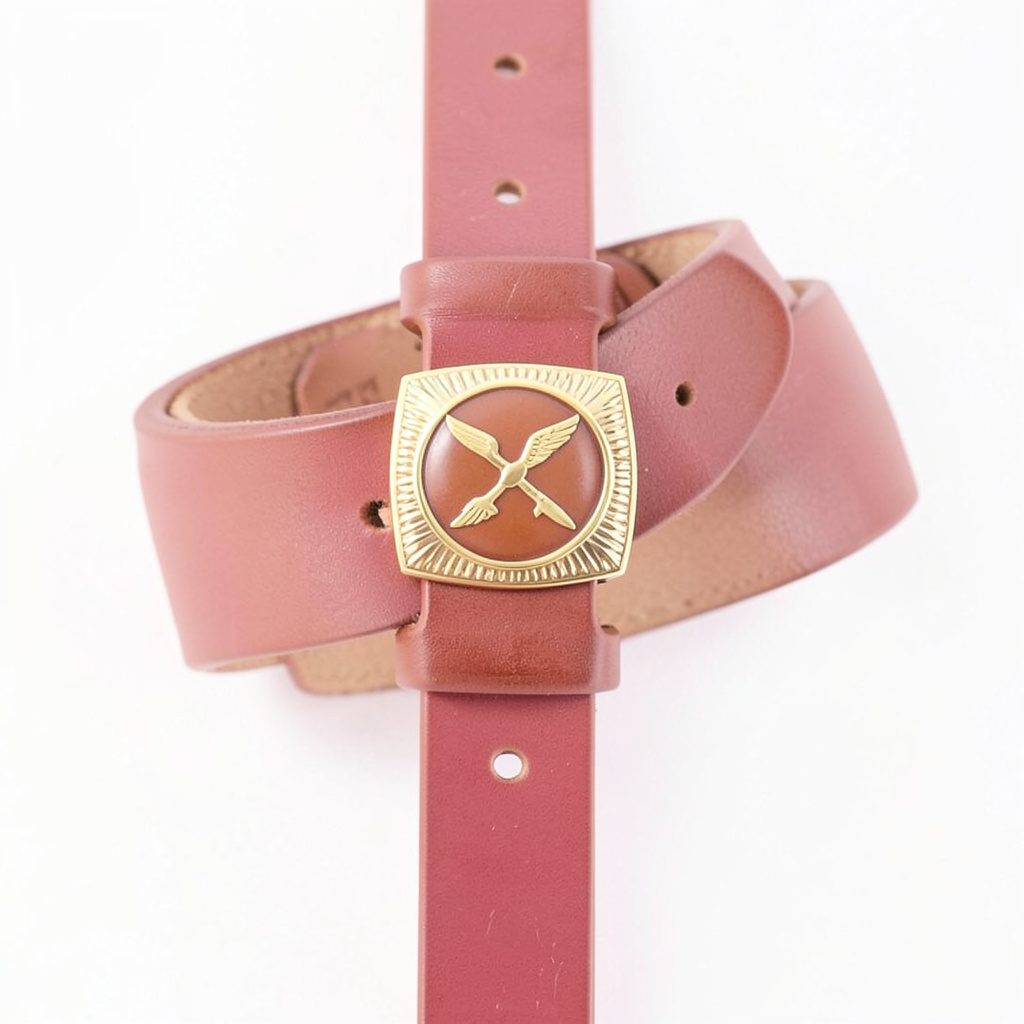
Belts, Bracelets & Bag Charms
Wallet styles, belts for men and women, bracelets, card holders, and shoulder straps crafted for everyday wear, including the Oscar Buckle and Lennox belts.
Shop Accessories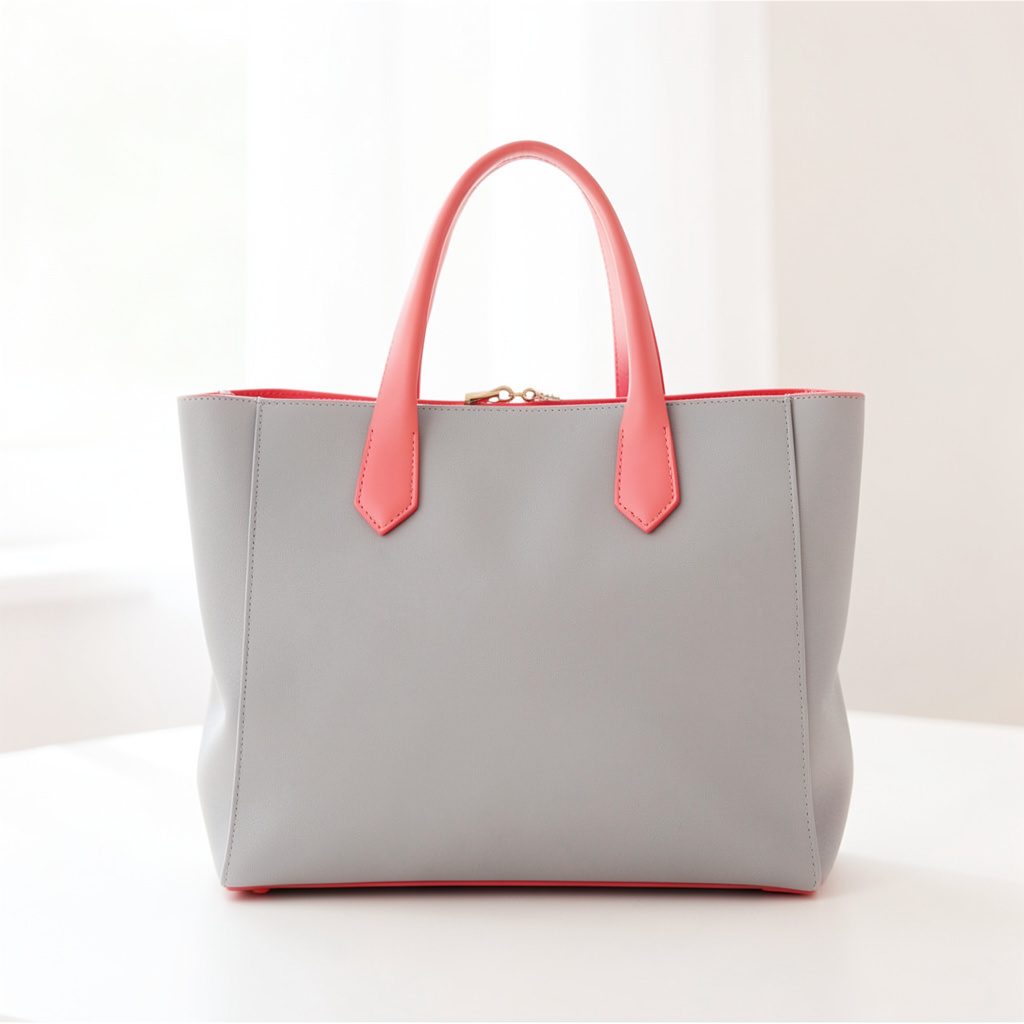
Birkin, Kelly & Bolide
Handmade replica Hermès bags in sizes 25cm, 30cm, 35cm, 40cm, and 42cm across Epsom and Clemence leather, in shades from Sapphire and Orange to Grey and Gold.
Explore HandbagsStay in the Loop
Sign up for store updates, new arrivals, and outlet offers.