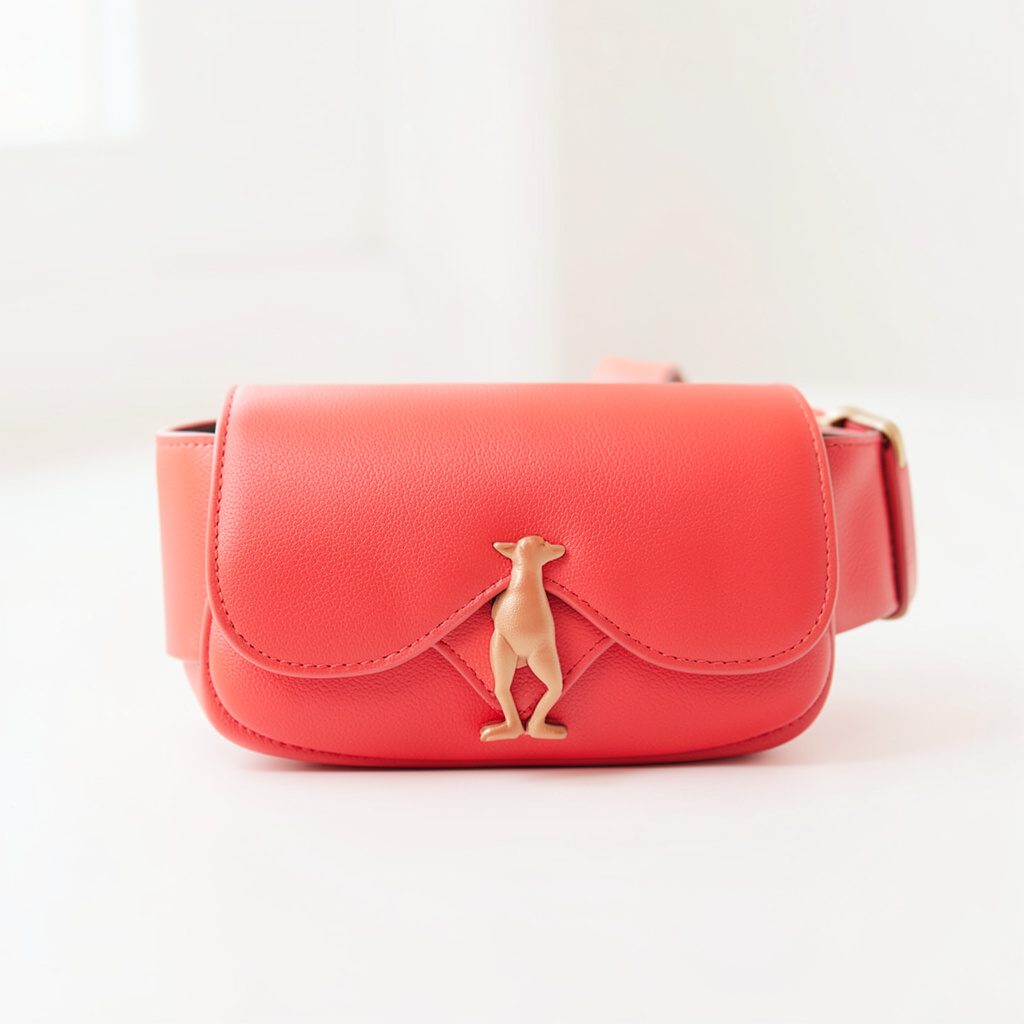
How to keep your replica Hermès bag smelling fresh
A fresh-smelling bag should feel clean, not heavily perfumed. Leather, fabric and metal fittings can each hold a different odour, such as tobacco or the musty note of a damp cupboard. Airing and careful cleaning usually work better than fragrance, which masks the problem and can make the bag less pleasant to use.
Replica Hermès styles including the Birkin and Kelly may come in genuine leather, coated leather, canvas or synthetic imitations, and models vary between sellers. Check the listing’s material details before dampening or treating anything. Unknown finishes and adhesives are especially sensitive, so a cleaner that suits one bag may leave a mark on another.
Long-distance delivery adds another layer. A parcel handled in a hot depot or packed with damp protective material can carry a faint warehouse or cardboard smell into an Australian home. Give the bag time to settle in a ventilated room, then inspect the leather, lining, zips and feet before regular use.
Useful care also depends on local conditions. Brisbane can be humid, Sydney can be warm and salty near the coast, and Melbourne swings between damp winter mornings and dry, heated interiors. The routine below addresses those realities, including commutes, hot parked cars and marketplace listings with vague material descriptions.
Know which materials you are treating
Begin with the outer material and lining, not the model name. Genuine leather may accept a barely damp cloth, while polyurethane, coated canvas and unknown finishes need a gentler approach. Even a familiar silhouette can conceal synthetic lining and glued trims, so treat each bag as its own material mix.
If trainers share the same wardrobe, sneaker care resources are a useful reminder that material-specific advice beats a universal spray. Apply the same rule to removable pouches and dust bags, and let them dry fully before reassembly.
On Australian resale platforms and small online boutiques, listings may blur the distinction between full-grain leather and a synthetic finish. Ask the seller for close-up photographs, lining details and hardware information. A clear product description is more useful than a borrowed photograph of another bag.
Empty the bag and trace the odour
Empty every pocket, remove keys and lip products, and check the base for damp grit. Hold the bag by its handles or body rather than swinging it, then turn it over a soft mat to release loose dust. A soft brush suits many surfaces, but snag-free vacuuming is safer around delicate hardware.
The lining often needs more attention than the exterior. Use a low-suction vacuum with a mesh cover over the nozzle, keeping it away from exposed stitching and corner hardware. For a washable lining, follow the seller’s instructions and use minimal moisture; saturating the bag can carry water into the structure and encourage mildew.
Trace the odour before deodorising it. Old perfume, damp newspaper, food residue and adhesive are common sources, and leaving them in place guarantees that the smell will return. Remove the cause, isolate the bag in a ventilated area and give stubborn areas specialist attention rather than applying stronger household chemicals.
Freshen safely without perfume
Start with passive airflow. Place the bag in shade near an open window or a gentle room fan, leave space around it and air it for a day or two. Turn it occasionally to release damp. Avoid radiators, dryers, hair dryers and hot sunlight, which can damage material.
For a cupboard smell, put unscented activated charcoal or zeolite in a breathable cotton pouch beside the bag, not against the leather. If a cleaner promises an instant fix, read its directions and warnings rather than trusting the headline, just as you would check the terms of an instant withdrawal casino before accepting an offer.
Plain baking soda can help a removable fabric pouch or dust bag when its label permits: hold a small amount in a muslin bag for several hours, then shake it out. Do not pour powder onto leather or into seams, where residue can remain. If the smell is sharp, chemical or linked to damp patches, use a cleaner who understands the specific material.
Store the bag with airflow in mind
Use the original box for storage when it is clean and intact, but put the bag in a breathable cotton dust bag. Acid-free tissue can support the sides of a structured Birkin or Kelly. Avoid coloured newspaper, glossy plastic and tight packing, which can transfer ink, trap moisture or leave creases.
Store the bag upright with light internal support, away from heavy objects that can distort the handles or gusset. A ventilated wardrobe is generally better than a sealed plastic container, especially after a damp commute. Refold soft papers periodically so their edges do not create hard marks.
Australian homes often pair powerful air conditioning in summer with heating in winter. Sudden changes can dry coated finishes and make genuine leather feel brittle, so keep the bag away from direct vents. Check stored bags every few weeks for dust, fading, loose stitching or an unfamiliar smell.
Handle Australian heat and humidity
Summer heat in Brisbane and coastal Sydney quickly heats a wardrobe. Direct ultraviolet light fades pigment and weakens fibres, so keep bags off west-facing windowsills and out of strong sun. In Perth’s dry heat, the risk is overheating rather than damp, but both call for a stable indoor temperature.
Humidity is the opposite problem. Brisbane’s muggy weeks, sea air around Sydney and condensation in a cool room can encourage mildew, particularly inside a folded lining. Use a dehumidifier where appropriate, but do not aim cold air at the bag; moderate ventilation is kinder to adhesives.
Melbourne’s damp winters can leave a bag cold and slightly moist when it comes indoors, while heated apartments remove moisture too quickly from other surfaces. Let the bag reach room temperature naturally, then inspect for dampness. Moving it abruptly from a hot car to a cool cupboard can also encourage condensation.
Protect it during everyday outings
Australian commutes create chances to absorb smells. On public transport, keep a bag off the floor, and keep takeaway food, scented hand sanitiser and damp towels separate. Wipe handles with a clean, dry cloth, and never leave a wet towel inside.
Cars need particular caution. A leather bag left on a dashboard or seat can scorch in direct sun, and a boot can become extremely hot even on a mild day. Keep it out of sight, shaded and secure, using a padded dust bag for extra protection. Never leave it overnight.
For beach days, keep sunscreen, sand and salt spray away from suede-like or textured finishes, and brush off dry sand rather than rubbing it in. After a trip, empty the bag and air it before putting it beside shoes or shared laundry. Unrelated wardrobe odours can migrate into lining and stitching over time.
Build a routine that prevents a musty smell
Small, repeatable care works better than an occasional dramatic clean. Use these steps according to the bag’s material and how often it is worn.
- Empty and inspect the bag regularly, especially after commuting, travel or storage in humid weather.
- Brush loose dust gently and blot spills promptly with a material-safe method, never saturating the lining.
- Air the bag in shade after use, allowing extra time whenever the lining feels cool or damp.
- Keep unscented charcoal or zeolite in a separate breathable pouch when storing a bag that is not completely dry.
- Support the shape in a cotton dust bag and keep it away from direct sun, heaters, damp cupboards and strong airflow.
- Use a specialist for persistent chemical smells, mould, staining or any reaction after a cleaning product is applied.
For a newly delivered bag or one returning from long storage, begin with a 24- to 48-hour airing and an unscented absorber. Test any product in a discreet area, and let the whole bag dry before use. A faint natural leather or fabric scent is acceptable; tobacco, damp, rot or harsh chemical odours are not.
Consumer protection also belongs in the care conversation. Under the Australian Consumer Law, sellers must not mislead consumers about quality, condition or origin, and vague claims such as “genuine leather” must be accurate. Keep the listing, receipt and material description for a replica purchase, because cleaning advice cannot settle return disputes or counterfeit-import concerns. Freshness comes from removing trapped moisture and odours, limiting their return and giving the materials time to breathe; a well-cared-for bag should carry only a clean, neutral scent rather than a perfume-like coating.
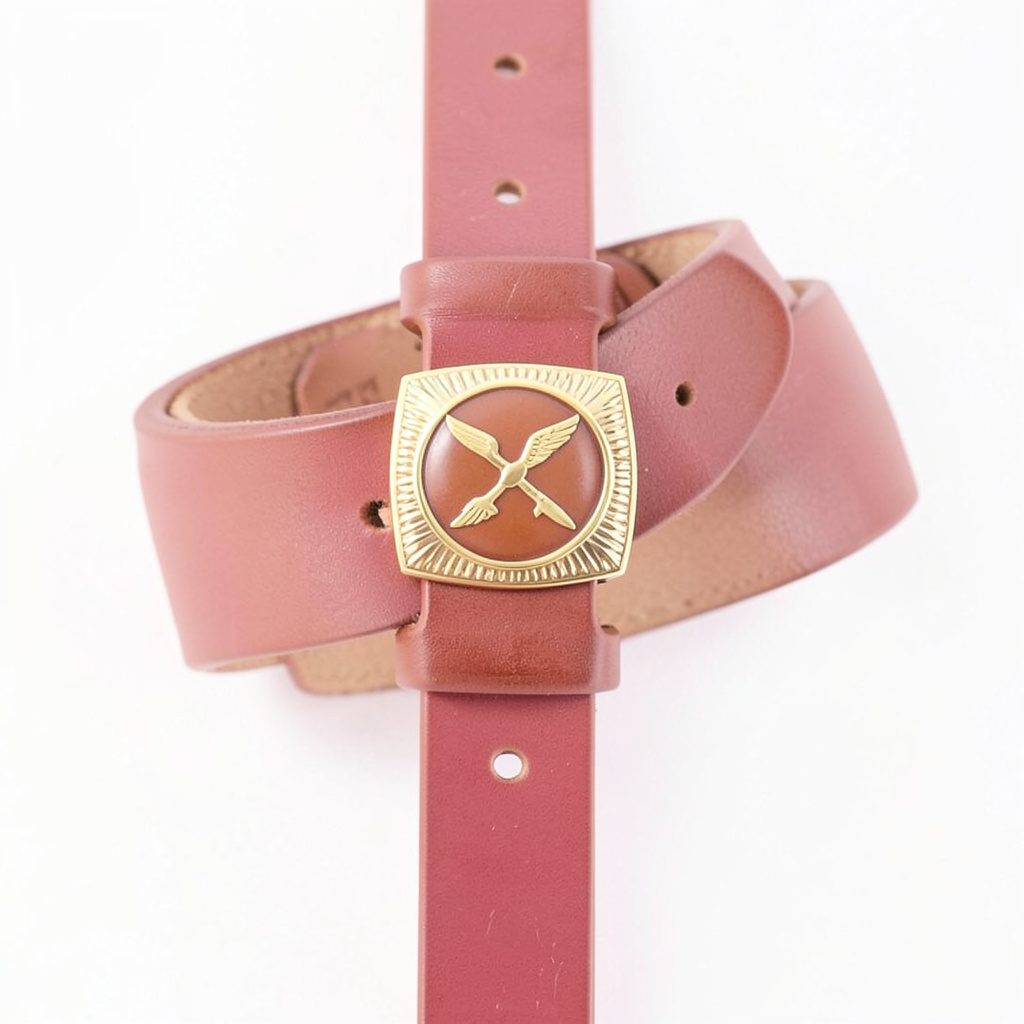
Belts, Bracelets & Bag Charms
Wallet styles, belts for men and women, bracelets, card holders, and shoulder straps crafted for everyday wear, including the Oscar Buckle and Lennox belts.
Shop Accessories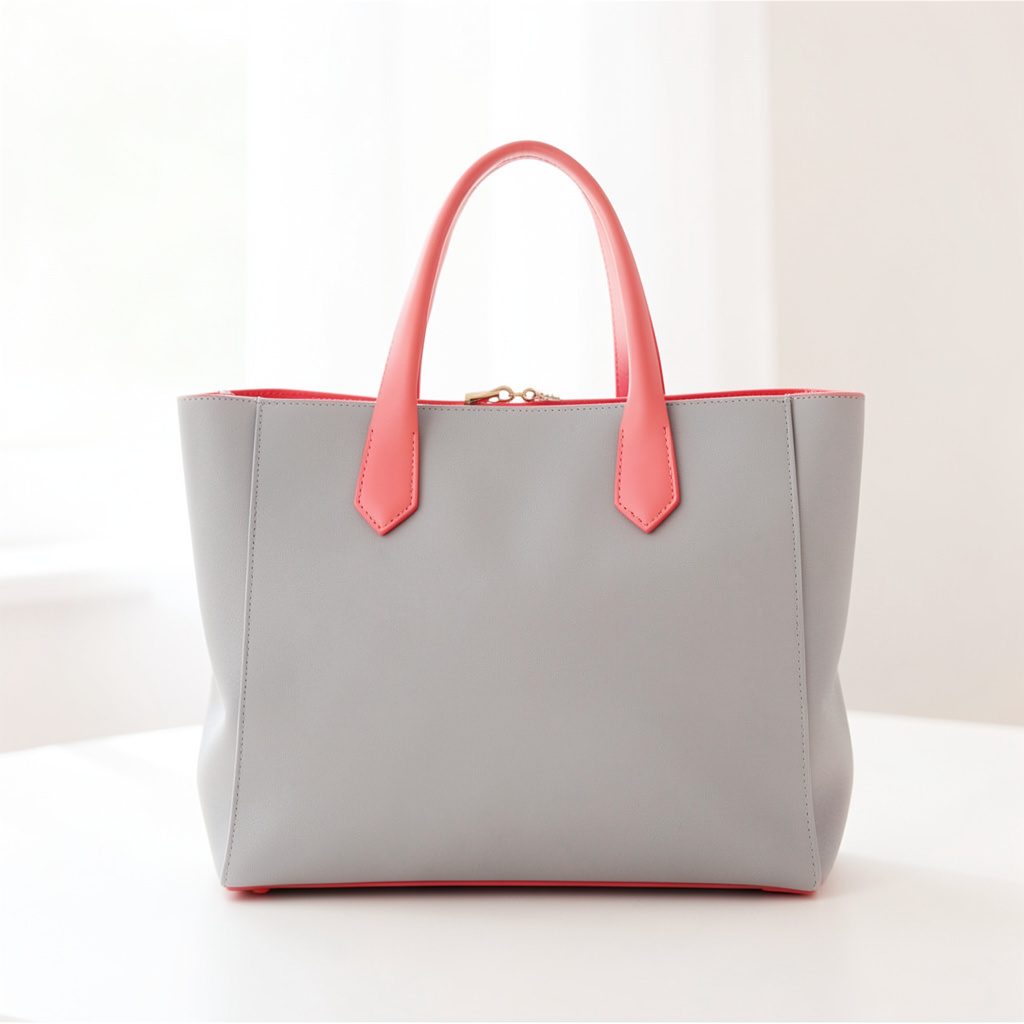
Birkin, Kelly & Bolide
Handmade replica Hermès bags in sizes 25cm, 30cm, 35cm, 40cm, and 42cm across Epsom and Clemence leather, in shades from Sapphire and Orange to Grey and Gold.
Explore HandbagsStay in the Loop
Sign up for store updates, new arrivals, and outlet offers.