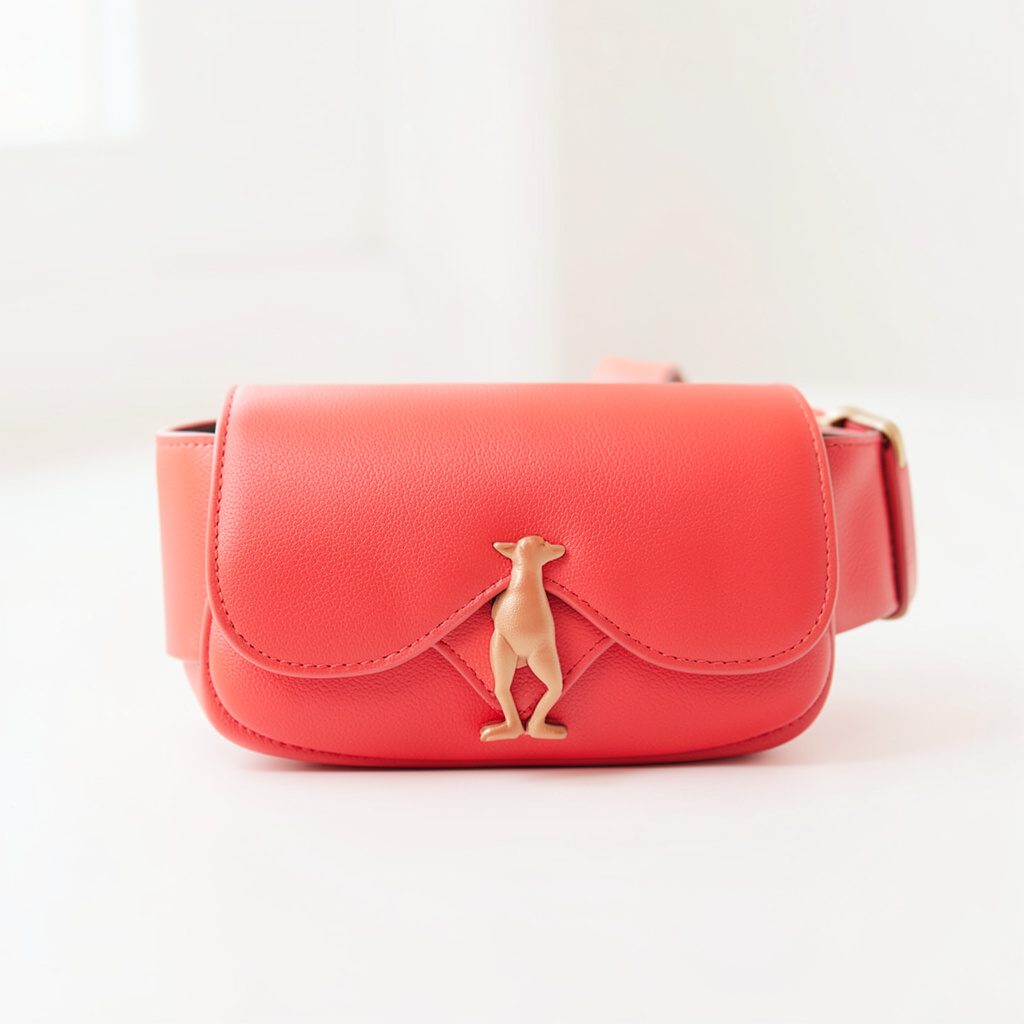
Repairing Scratches on Replica Hermès Leather
Leather bags pick up scratches from keys, belts, doorways, and crowded trains, yet many marks can be reduced without replacing the whole bag. The right approach depends on whether the mark is a surface scuff, a rubbed patch, or a split in the finish. Gentle care usually preserves the character of the leather better than aggressive polishing.
The process of repairing scratches on replica Hermès leather starts with identifying the hide and its finish, then using the least intensive treatment that works. Smooth calf-style leather responds differently from grained, embossed, or exotic-pattern panels, and colour can change the result dramatically. A careful repair should improve the damaged area while leaving the original texture and patina intact.
Replica construction varies widely. A Birkin-style tote, Kelly-style flap, or Constance-style shoulder bag may combine several finishes, edge paint, thread, and hardware within one design. Repair each component separately, and avoid using a strong product on the entire bag when only one panel is marked. If the leather looks uneven, porous, or unusually thin, professional care is safer than repeated home treatment.
Identify the type of leather and damage
Start by examining the scratch in natural daylight. A light scratch that has not removed much colour may respond to gentle cleaning and conditioning, while a pale or rough patch indicates that the surface finish has worn away. A deep line, lifted edge, or small tear needs filling or specialist work rather than cosmetic treatment. Photographing the damage before and after each attempt also helps prevent overcorrection.
Place the bag on a clean, pale cloth and inspect both the marked area and an inconspicuous seam. Check the product listing or material description for clues about the finish. The catalogue filters for colour, size, and material can help identify smooth, grained, embossed, or exotic-pattern leather. Avoid colourless products for pale leather, and never assume that two panels with the same colour use the same dye.
Clean the surface with minimal moisture
Use a soft, lint-free microfibre cloth, slightly dampened with distilled water, to lift dust and loose dirt. Work in small circles without pressing hard, then blot the area dry with a second cloth. For stubborn residue, a small amount of pH-neutral leather cleaner applied to the cloth may be safer than spraying the bag directly.
Test every cleaner and moisturiser on the hidden seam first. Let it sit for several minutes and check for darkening, stiffness, or a change in texture. Toothpaste, household bleach, magic erasers, and thick shoe polish can strip colour or spread the damage. Allow the bag to dry naturally at room temperature, away from radiators, hair dryers, and strong sunlight.
Choose a treatment suited to the finish
Smooth calf-style leather usually accepts a small amount of colourless conditioner or leather cream. Apply a thin layer with a clean cloth, allow it to absorb, and buff gently. The goal is to replenish the surface and reduce the visibility of a shallow scratch, not to create a dark, glossy coating that differs from the surrounding bag.
Grained leather needs special care because filler and excess cream can collect in the recesses and make the grain appear flat. Exotic or embossed panels should receive only products specifically considered suitable for that texture, applied sparingly with a soft brush or cotton swab. Textile canvas, Alcantara-like sections, and painted trim require different products entirely, so keep leather conditioner away from them.
Restore colour without hiding the grain
For a scratch with visible colour loss, a matched leather repair pigment can be more effective than conditioner alone. Select a repair paint or cream using the bag’s exact colour and finish, then test several shades on the underside or inside a flap. Thin applications are easier to control than one heavy coat, and each layer should be allowed to dry before the next is added.
Use a fine artist’s brush or foam applicator to place the colour within the scratch rather than across the whole panel. Build the tone gradually, keeping the strokes light and following the direction of the grain. A specialist leather repairer can mix a closer colour for unusual shades, especially on full-grain or exotic-pattern surfaces where precision matters.
Handle scuffs, splits, and worn edges
A rubbed area may require gentle abrasion with a clean microfibre cloth after cleaning. Some online guides recommend vigorous rubbing with a dry cloth, but this can thin the finish and create a shiny patch. Light pressure is usually sufficient; stop if the leather becomes warm, polished, or thinner. A colourless balm can then soften the remaining surface mark.
Deep scratches, lifting edges, and small splits should be treated with a flexible leather filler or by a repair specialist. Keep the filler away from the original edges so it does not create a visible ridge. If thread has broken, use a matching thread and a fine needle rather than heavy adhesive. Shoe glue and superglue can make the area rigid, stain nearby leather, and complicate any later professional repair.
Protect the repair from Australian conditions
Australian weather can test a restoration quickly. Sydney’s humid coastal air may encourage mildew or cause conditioner to become sticky, while Melbourne’s damp winters and sudden temperature changes can make leather alternate between soft and stiff. Strong sunlight around Brisbane and Darwin can fade repaired colour, particularly on light or vivid finishes.
Many people also move between air-conditioned homes, offices, cars, and outdoor heat, so temperature swings are common. Store the bag in a breathable cotton dust bag rather than a sealed plastic cover, keep it away from direct sun, and use a divider if it is pressed against other bags. Allow beach sand, sunscreen, and coloured drinks to be removed promptly, as their oils and pigments may lodge in scratches.
Build a care routine and check seller safeguards
Regular, restrained maintenance protects both the repair and the surrounding leather. Condition only when the bag appears dry or faded, and use small amounts to avoid a sticky build-up. A quick wipe after handling and proper storage between uses will often prevent marks from becoming permanent.
Recommendations for caring for replica handbag repairs:
- Photograph scratches when they first appear and record the product’s material and colour.
- Test every cleaner or conditioner on a concealed seam before treating the visible area.
- Use a colour-matched pigment only after checking that the finish and grain will accept it.
- Seek specialist help for exotic-pattern leather, lifted edges, or structural splits.
- Keep repaired bags away prolonged direct sunlight and damp storage conditions.
- Review the seller’s return policy and keep proof of purchase for any transit damage.
The Australian online market includes many cross-border fashion sellers, making accurate descriptions and clear guarantees especially important. Under the Australian Consumer Law, the ACCC states that goods must be of acceptable quality, match their description, and come with appropriate remedies when faulty. Damage present on delivery should be documented immediately, while buyers should clarify who handles returns to Australia and how long dispatch may take.
Trademark law adds another layer. Australian Customs may detain imported goods that infringe registered trademarks, and online marketplaces may remove listings that breach their own policies. Buyers should keep purchase records, avoid reselling imported counterfeit items, and expect sellers to describe products accurately rather than implying authorised Hermès status. Careful restoration combined with transparent consumer protection gives the bag the best chance of remaining useful and attractive for longer.
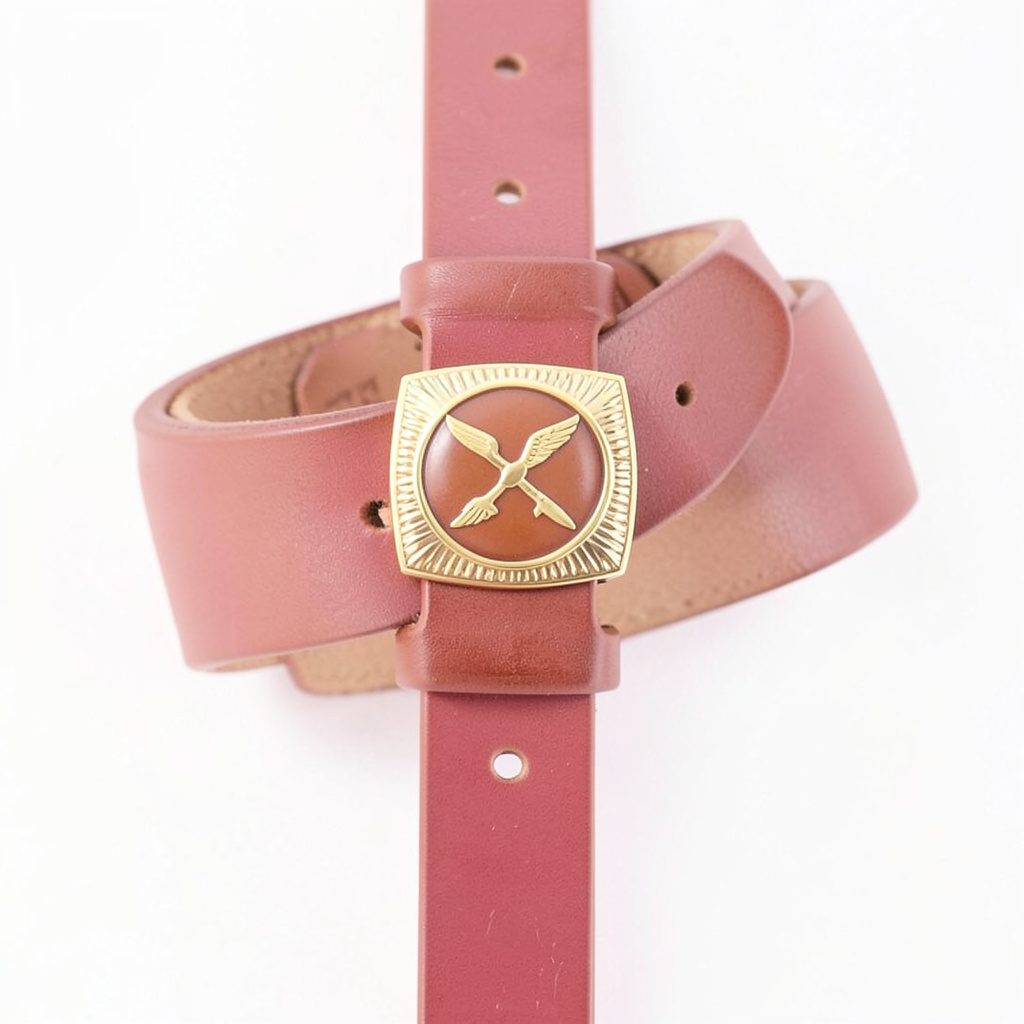
Belts, Bracelets & Bag Charms
Wallet styles, belts for men and women, bracelets, card holders, and shoulder straps crafted for everyday wear, including the Oscar Buckle and Lennox belts.
Shop Accessories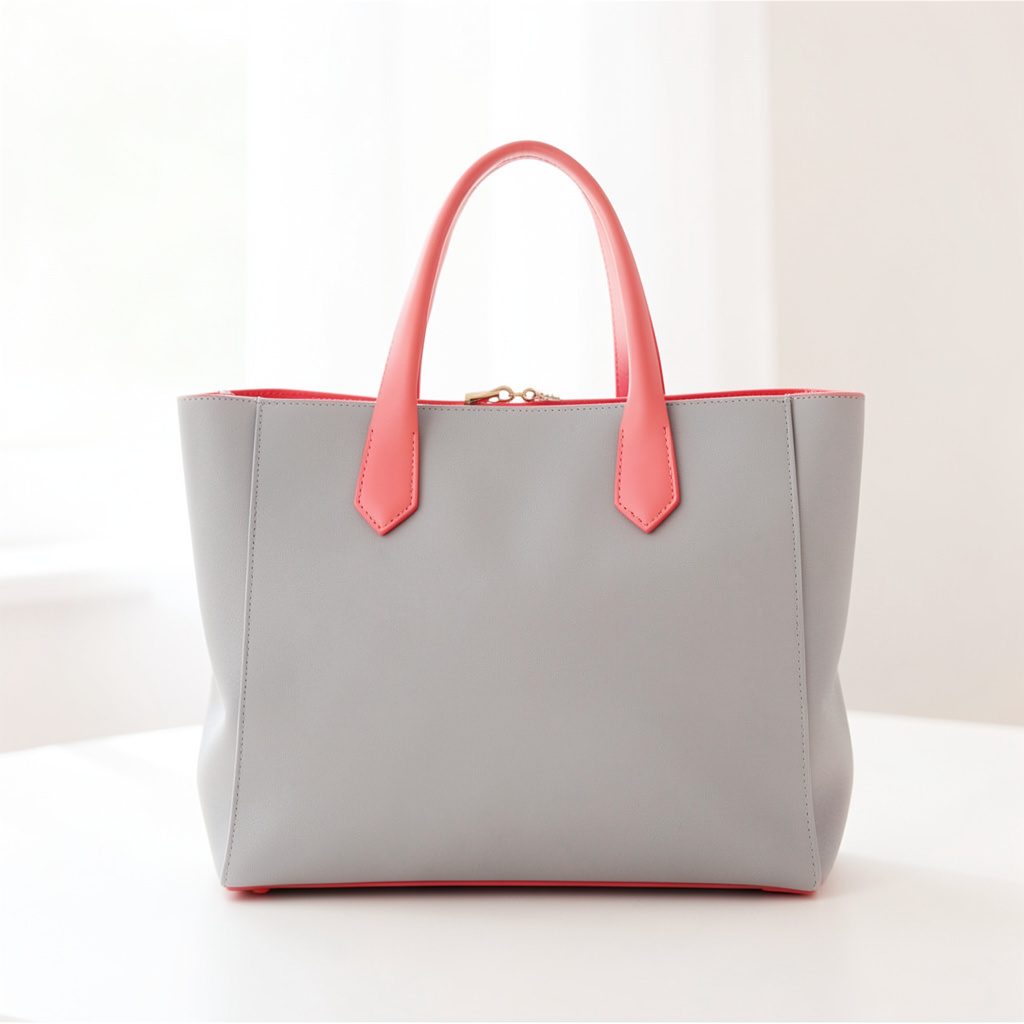
Birkin, Kelly & Bolide
Handmade replica Hermès bags in sizes 25cm, 30cm, 35cm, 40cm, and 42cm across Epsom and Clemence leather, in shades from Sapphire and Orange to Grey and Gold.
Explore HandbagsStay in the Loop
Sign up for store updates, new arrivals, and outlet offers.