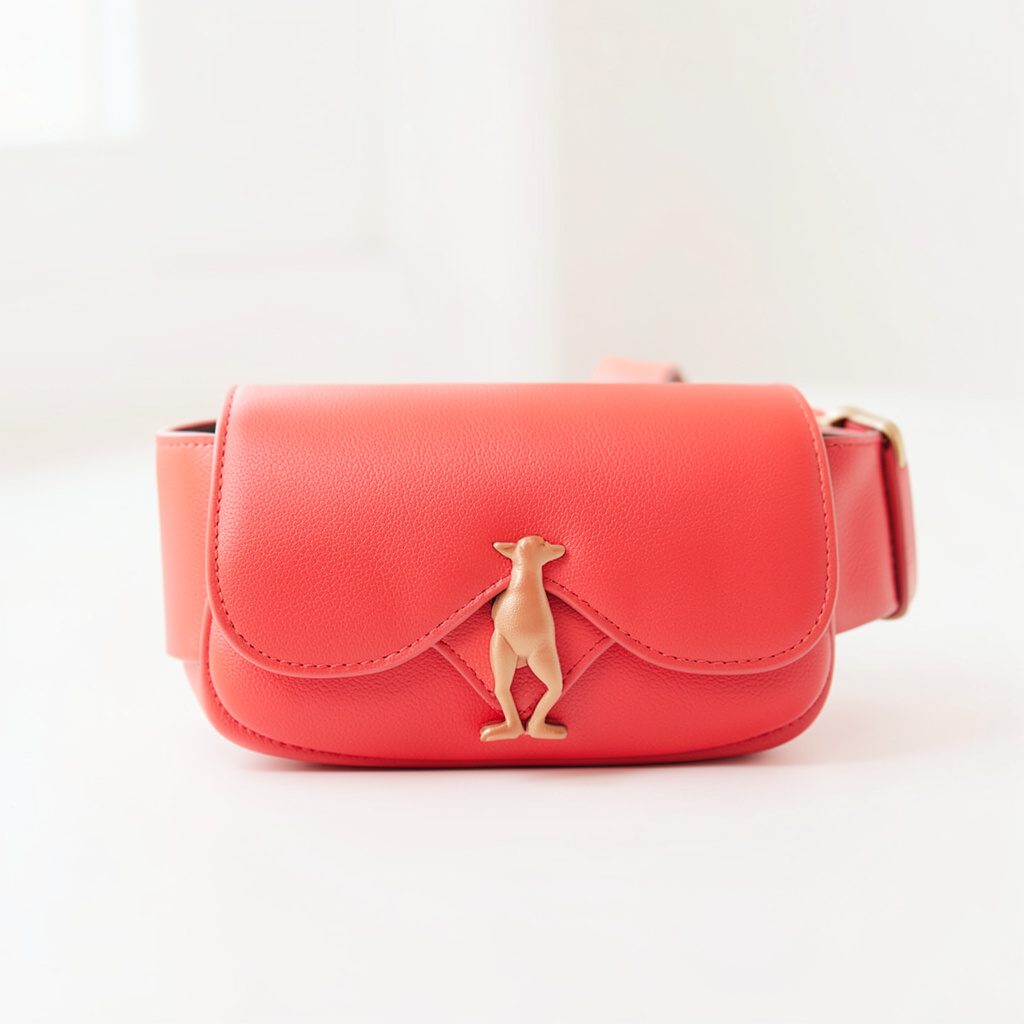
How to spot a good replica Hermès bag zipper and closure
A zipper and closure do more than secure a bag. They reveal whether its materials, alignment and assembly were handled with care. On a replica Hermès, faults around the slider, teeth or turn-lock can be easier to notice than in a product photograph, yet they strongly affect daily use.
Closures vary by style. Birkin and Kelly models commonly use a turn-lock and padlock, while the Constance uses an H-shaped clasp and the Lindy relies heavily on zip hardware. Picotin-style bags may have no visible zip. The standard must therefore match the exact model, leather, production period and fittings shown in the listing.
A convincing silhouette does not guarantee convincing construction. Sellers may copy the exterior while using generic zipper parts, thin plating or imprecise stitching. Even a familiar hardware brand is not decisive, because genuine Hermès fittings have changed across models and years. Condition, symmetry and mechanical performance are more informative than a maker's name.
Careful buyers can assess these points in photographs and confirm them on arrival. This is useful for Australian shoppers, where AUD prices, international delivery times and customs treatment can encourage a rushed decision. Taking time to inspect the mechanism can protect both the budget and the condition of the chosen piece.
Reading the zipper construction
Read the zipper as a complete mechanism, not merely a row of teeth. Check the slider body, pull tab, fabric tape, bottom stop and the point where the zip enters the leather. These parts should meet cleanly, without loose threads, exposed screws or a pull sitting at an odd angle.
When open, the two tooth rows should form an even channel and meet at the same height. A well-assembled replica Hermès bag zipper closes in one controlled movement. It should not grind, snag or need the slider to be twisted repeatedly, and its pull should travel in line with the zip.
Macro images reveal what wide-angle photographs hide. Compare tooth shape, slider markings and pull proportions with the same model rather than a generic luxury bag. Labels such as Excella, riri or YKK may add context, but they can be copied and are not proof by themselves. For wider terminology around leather and hardware, the reference notes at material and accessory guides can help describe what you see.
Comparing hardware finishes
Gold, palladium and steel-tone finishes should look consistent across the zip, clasp, feet and studs. Lighting changes colour, but the same bag should not show one metal shade on the zip and another on the turn-lock. Watch for greenish tint, uneven plating, rough edges, surface bubbles or exposed scratches.
A quality slider feels controlled rather than loose or sticky. Its body should align with the teeth, and the pull should hang without excessive play. The clasp should engage cleanly, while its plate and fasteners sit flush. Weight is not a reliable test because alloys and fittings differ between references.
Zip pulls and lock plates need equal scrutiny. Some Hermès designs use leather tabs, plain metal pulls or model-specific fittings, so unusual details are not automatically defects. Strong warning signs are poor symmetry, cheap-looking edges, inconsistent finish and hardware that appears disproportionate to the flap and seams.
Checking stitching and alignment
Stitching around a zip opening should have consistent spacing, tension and thread colour. The line should stay straight as it reaches a corner or closure plate, without puckering, skipped stitches or stray fibres. A saddle stitch is only one method; the key is a firm, even seam rather than the name of the technique.
Closure placement offers another comparison. Flap edges should sit an equal distance from the body, and the zip or turn-lock should align with the centre where the pattern requires. If one side sits higher, the opening may look crooked and place extra strain on the stitching.
Inspect the leather around the hardware. Folded edges should be smooth, without bubbling, glue residue or dark abrasion around holes. Turn-lock bases should lie flat, and the lower end of a zip should be reinforced without forming a bulky ridge. These details separate careful assembly from hurried imitation.
Testing closure security
Test the zip over a soft, clean surface so a snag cannot scratch the leather or hardware. Open and close it several times without forcing the slider. The teeth should mesh from the beginning, and the slider should reach the stop without leaving a section open or pinched.
For a turn-lock, move the mechanism through its full range and check that it locks centrally. On a padlock, confirm that the shackle enters cleanly and the supplied key turns without excessive force. An H-clasp should have firm spring action and sit level. Never force a key or substitute a tool.
A light load test is useful. Place only the items normally carried, close the bag, and check whether the zip creeps or the flap spreads under mild pressure. Overfilling can damage sound construction, but a sound closure should still hold its shape without gaping or shifting.
A practical inspection checklist
Before committing to a sale, compare the listing against these visual checks:
- Request a daylight close-up of the closed and open zip, including the slider, teeth and stops.
- Compare the metal finish with every other visible fitting on the same bag.
- Check pull-tab shape, stitch placement and hardware scale against the exact model.
- Look for even alignment between the flap edge, body panels and closure base.
- Confirm the stated measurements, leather type and colour against the product photographs.
Once the bag arrives, use this second set of checks:
- Move the zip gently on a protected surface and listen for smooth, consistent action.
- Operate the clasp through its full travel without forcing or levering it.
- Check the padlock and key, if supplied, for clean engagement and matching finish.
- Carry a normal load and watch for creeping, gaping or a shifting flap.
- Record the unboxing, retain receipts and note any fault before the return window closes.
A seller who provides sharp additional photographs and clear care information is more likely to have inspected the same points a buyer will. Conversely, a limited image set that hides the underside of the zip or the clasp base leaves too much of the quality unverified. Local examples and imported copies should be judged by the same construction standards.
Buying within Australia
Australian buyers in Sydney, Melbourne and Brisbane commonly compare AUD-priced listings from fashion stores, online sellers and resale platforms. A polished stall at Paddy's Markets in Sydney or a boutique window in Melbourne's central business district does not by itself establish quality. Local presentation may be convincing while the zip mechanism and leather finishing are inconsistent.
Customs treatment also belongs in the buying calculation. Goods valued above A$1,000 generally require more formal import clearance, while low-value imports can attract 10% GST under Australian rules. Duties depend on the country of origin and product classification. Australian Border Force can inspect and detain counterfeit trademark goods, so import savings may disappear if a parcel is held or seized.
Worldwide free shipping can simplify the quoted cost, but it does not cover every tax, duty or loss. Compare the seller's return policy, dispatch method and insurance terms. If the selected listing has passed the construction checks, place it in your shopping cart and review the total, currency and return conditions before checkout.
Caring for the closure
Keep the mechanism dry and avoid applying leather oil or polish directly to the zip, pull or turn-lock. Wipe the surrounding leather gently, let it dry naturally and keep the bag away from heat. If salt, dye or adhesive reaches the hardware, specialist cleaning is safer than scrubbing, since abrasive products can strip plating or leave the finish uneven.
Inspect the closure periodically for bent teeth, a loose slider, a turning key or a clasp base beginning to lift. Small faults are easier to address before the surrounding leather is damaged. Replacement parts should match the original dimensions and finish; mixing generic components can affect alignment and create further strain on the seam.
No single feature proves authenticity or quality. The strongest evidence is a coordinated system: even teeth, secure stitching, matched finishes, smooth movement and a closure that remains stable under ordinary use. Those details separate a well-made replica Hermès bag from a merely convincing exterior and protect the appearance and practicality of the piece over time.
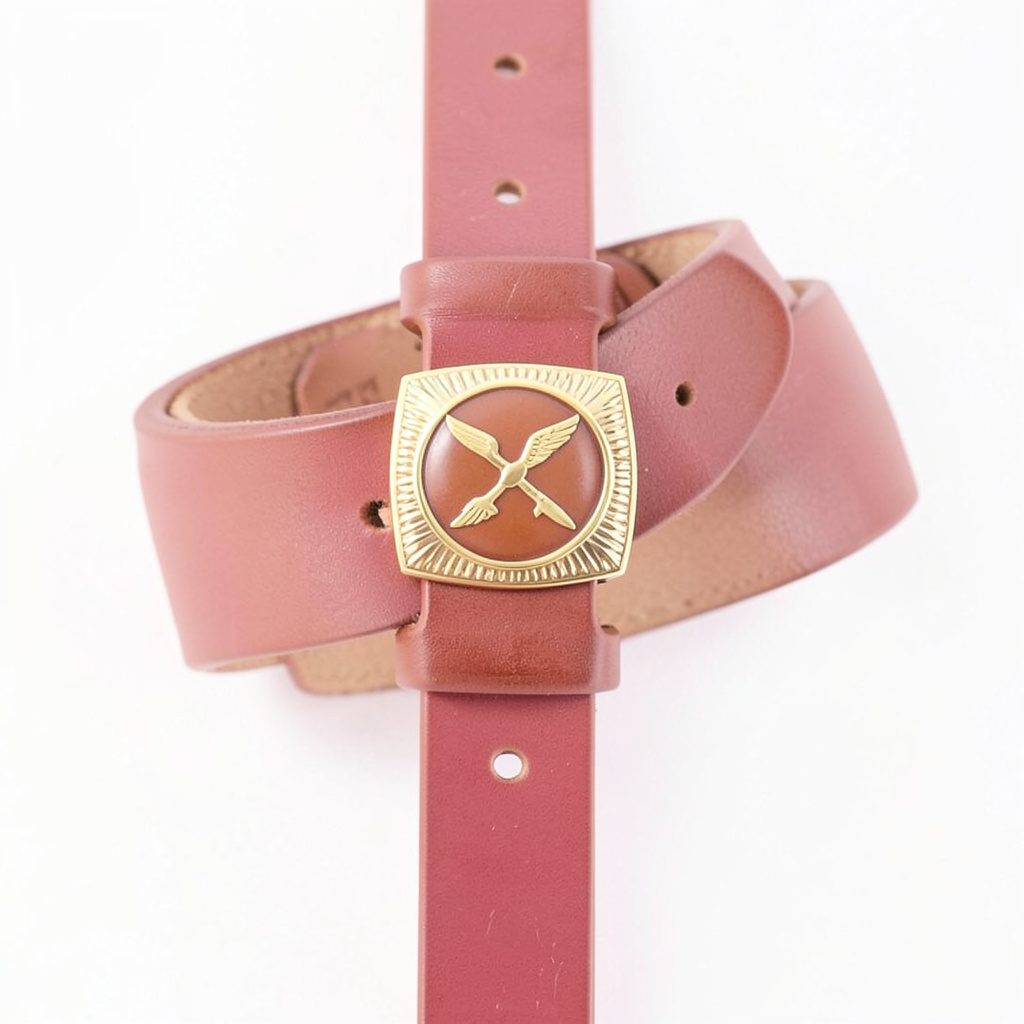
Belts, Bracelets & Bag Charms
Wallet styles, belts for men and women, bracelets, card holders, and shoulder straps crafted for everyday wear, including the Oscar Buckle and Lennox belts.
Shop Accessories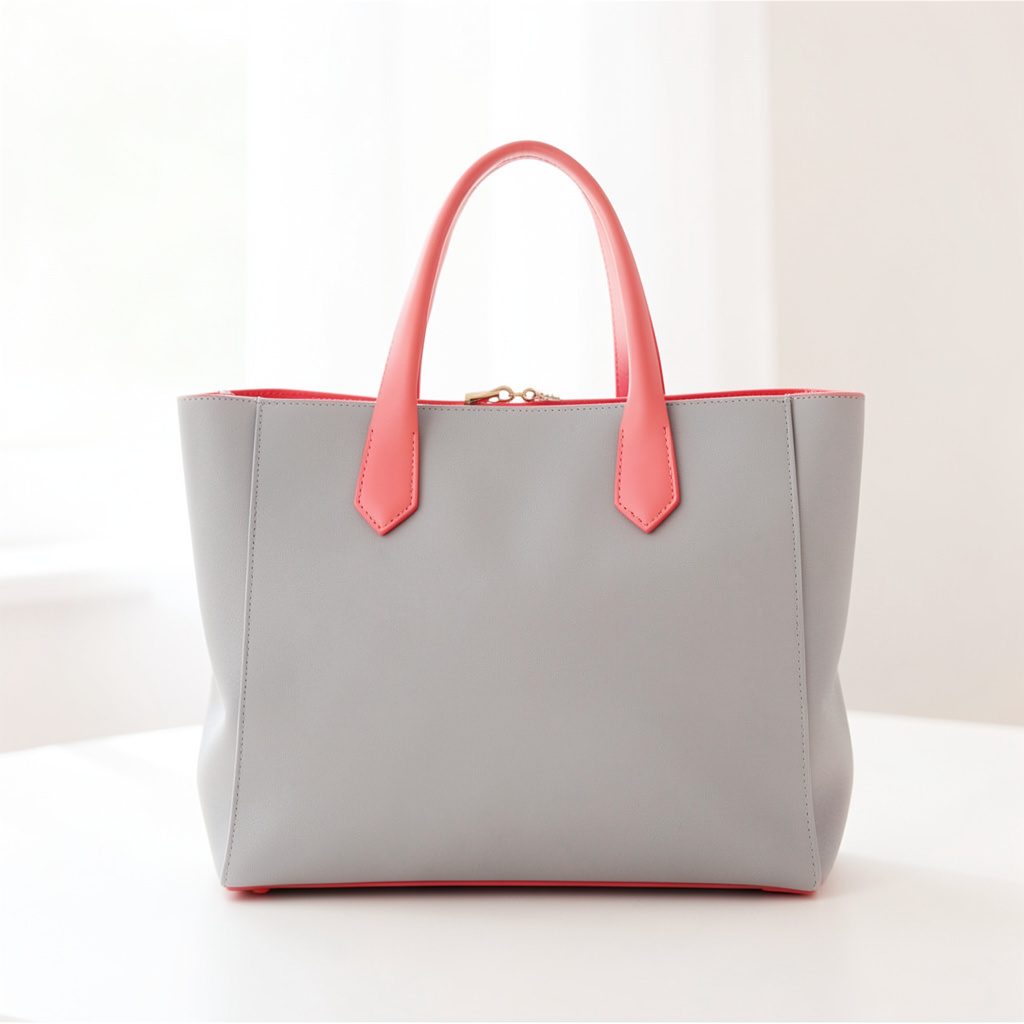
Birkin, Kelly & Bolide
Handmade replica Hermès bags in sizes 25cm, 30cm, 35cm, 40cm, and 42cm across Epsom and Clemence leather, in shades from Sapphire and Orange to Grey and Gold.
Explore HandbagsStay in the Loop
Sign up for store updates, new arrivals, and outlet offers.