How to recognise a quality replica Hermès stamp and date code
Buyers across Sydney, Melbourne, Brisbane and Perth have grown used to scrolling through product galleries, zooming with two taps, and trying to judge the quality of an item that costs a fraction of the boutique price. When the listing is for a replica Birkin, Kelly or Constance, the photographs need to do all the talking, because most Australians will not see the bag in person before paying. That is exactly where the stamp and date code become a shopper's sharpest tool. A single crisp impression, pressed into the leather with the right weight and shape, can say more than a dozen flattering product shots.
The blind stamp is a tiny mark pressed into the leather of an authentic Hermès bag, usually near the top front of the inside leather, on the inside of a strap, or on a small leather tab. It carries the maker's initials, sometimes a workshop letter, and it should sit flat and even, like a whisper rather than a shout. Date codes sit alongside the blind stamp and use a string of letters and numbers that signal the year the bag was assembled, the country of production, and the craftsman responsible. A high-grade reproduction treats both elements with care, while a rushed replica treats them as an afterthought.
For shoppers comparing listings from their kitchen tables in Subiaco or their desks in the Brisbane CBD, the date code offers a quick way to cross-check claims. A bag advertised as a recent release should carry a code that matches that period. Mismatches are among the most common tells in the replica market, and they are easy enough to spot once a buyer knows the alphabet the codes follow.
This article pulls the curtain back on what to look for, what to avoid, and how Australian buying habits, payment preferences, and local import rules can quietly shape the way a replica stamp is documented, photographed, and shipped to your door.
What the Hermès blind stamp actually represents
The blind stamp is the impression left by a heated metal die pressed into the leather. It contains the craftsman's initials, which Hermès has used since the 1800s to identify the artisan who finished the bag. Authentic stamps are subtle, set at a slight angle to the bag's seam, and are positioned by hand rather than by template. In a high-grade replica, the same hand-finished approach shows in the depth, spacing, and tilt of the impression.
Where the stamp sits matters as much as how it looks. On a Birkin, the blind stamp is usually found on the inside of the front flap, on the underside of the sangles closure, or on a small leather tab stitched to the inside wall. On a Kelly, it tends to sit near the top inside corner, just under the sangles strap. A reproduction that places the mark on the outside of the leather, or too close to the stitching, is almost always a sign of a maker working from blurry reference photos.
The impression should look pressed, not printed. If the mark appears painted, etched with a laser, or stamped with too much pressure so that the surrounding leather is crushed or wrinkled, you are looking at a reproduction that has not respected the original technique. The cleanest replicas are pressed using a custom die, with just enough heat and pressure to leave a clear but soft impression.
How to read the date code letters and numbers
Hermès uses two distinct marking systems. The older system is rarely seen on replica listings today, so most shoppers should focus on the modern code: a letter inside a shape, followed by a series of numbers. The letter identifies the production year, and the shape indicates the country of production.
Under the modern system, the year letter cycles through the alphabet. For example, X covered 2016, A covered 2017, C covered 2018, D covered 2019, and the sequence continues without vowels. The numbers that follow indicate the workshop where the bag was assembled. A bag with the code A followed by 45 would be a 2017 production from workshop 45.
Australian shoppers should note that the format includes no spaces between letters and numbers. Many low-quality reproductions add spaces, omit the shape indicator, or use letters outside the accepted sequence. If you see an O or a U used as a year letter, the listing has likely been built from a misread of an online guide. Likewise, a year letter that does not align with the production claim is a clear red flag.
The difference between hand-pressed and machine-made impressions
A hand-pressed impression shows soft edges, slight variation in depth, and a character that no machine can replicate. The craftsman chooses the angle, the pressure, and the position based on the grain of the hide. A machine-made impression, often used in lower-grade reproductions, looks uniform, sits perfectly straight, and sometimes leaves a faint halo of crushed fibres around the mark.
The weight of the press matters too. Too light and the letters look faint and washed out; too heavy and the leather around the impression bulges. A well-executed replica stamp feels like a quiet handshake, present but never aggressive. Look at the edges of each letter in close-up shots. If the edges look melted, plastic, or dotted with pinpricks, the die has likely been 3D-printed or laser-cut and is not the artisan-grade tool used in higher-end workshops.
For shoppers using platforms such as Afterpay or Zip to spread the cost of a replica bag, the temptation to buy the cheapest listing is strong. The stamp is one of the easiest places to see where the maker has cut corners, and it is usually where the cheapest listings show their hand first.
How leather type and colour affect the visible mark
The same stamp can look dramatically different on Togo, Clemence, Epsom or Box calf. Box calf is lightweight and soft, so impressions sink deeper and show a softer edge. Togo has a pebbled grain that breaks up the impression slightly, leaving the letters a little textured. Epsom, with its pressed pattern, makes the stamp look crisp and bright.
A reproduction stamp on a coloured bag, especially in a deep tone like étoupe, black or gold, can look washed out if the die has not been heated correctly. On a pale bag like Craie or Nata, a too-heavy impression shows as a darkened rim around each letter. The best replica makers adjust the heat for each colour, which is one of the small details that separates mid-range reproductions from the higher-grade options.
The way the leather accepts an impression tells you about the hide used. A bag with a hard, plastic-like finish that does not take the stamp cleanly is likely made from corrected-grain leather or PU rather than the vegetable-tanned cowhide used by the French house.
Red flags in low-quality replica stamps
The quickest way to spot a poor reproduction is to look at the consistency of the mark. Letters should be the same size, depth, and angle. If the B is taller than the M next to it, or one letter leans while the other stands straight, the die is hand-cut and poorly made. Real artisan dies are machined from a single block, which keeps proportions locked.
Spacing is another giveaway. Authentic Hermès stamps use even spacing between letters, with a small but consistent gap. Reproduction stamps crowd the letters together or spread them too far apart. If you can fit more than one extra letter between the initials, the die is the wrong size.
Watch out for the wrong alphabet, wrong fonts, and wrong punctuation. The craftsman's mark is always just two letters, sometimes three, with no period, hyphen, or symbol. A reproduction that adds a small dot, a tiny horse and carriage motif, or a Made in France line under the blind stamp is mixing systems that Hermès never combined.
Stamp variations across the Birkin, Kelly and Constance families
The Birkin, the Kelly, and the Constance each carry their stamp in a slightly different spot, and the size of the stamp varies with the leather. A 25 cm Birkin in Togo carries a smaller mark than a 35 cm Birkin in Clemence, simply because the hide dictates the scale. A Kelly pochette carries a stamp no wider than a fingernail.
Constance bags often carry both the craftsman's mark and the date code on a small leather tag stitched to the inside wall. The tag is short, neat, and sits flat against the lining. A reproduction that uses a longer tag, a different stitch, or places the tag against the back wall instead of the front is working from an old reference.
Evelyne bags place the stamp and code on the inside of the bag, sometimes on a thin leather strip. Lindy bags carry the mark on the inside back panel. Picotin bags, with their bucket shape, often have the stamp on the base of the inside. A listing that places the wrong stamp in the wrong place, no matter how clean the impression looks, is not matching the original layout.
Practical recommendations before you click away
- Ask for three close-up shots: the stamp alone, the date code alone, and a wider shot showing the position of both inside the bag. Sellers who ship from Sydney, Melbourne, or international warehouses will provide these without complaint.
- Cross-check the date code against an online Hermès date code chart. If the seller says the bag is from 2022, the year letter should match the year 2022.
- Watch the depth and the consistency. Letters should look pressed, not painted. Each letter should be the same size and depth.
- Be aware that replica goods can be stopped by Australian Border Force under the Trade Marks Act 1995. Some buyers use parcel-forwarding services in free-trade zones to reduce the chance of seizure, but this is a personal choice and carries its own risk.
- Check the GST threshold. Bags shipped from overseas with a customs value of AUD 1,000 or less are generally exempt from GST and duty when sent as a gift, but commercial replica goods can still be confiscated regardless of value.
- Compare the stamp across multiple sellers. If one listing looks dramatically cleaner, sharper, or differently positioned than the rest, it has likely been lifted from another source.
- Read the Australian Consumer Law guarantees before relying on any after-sale promise. A bag advertised as indistinguishable from authentic must perform and appear as advertised.
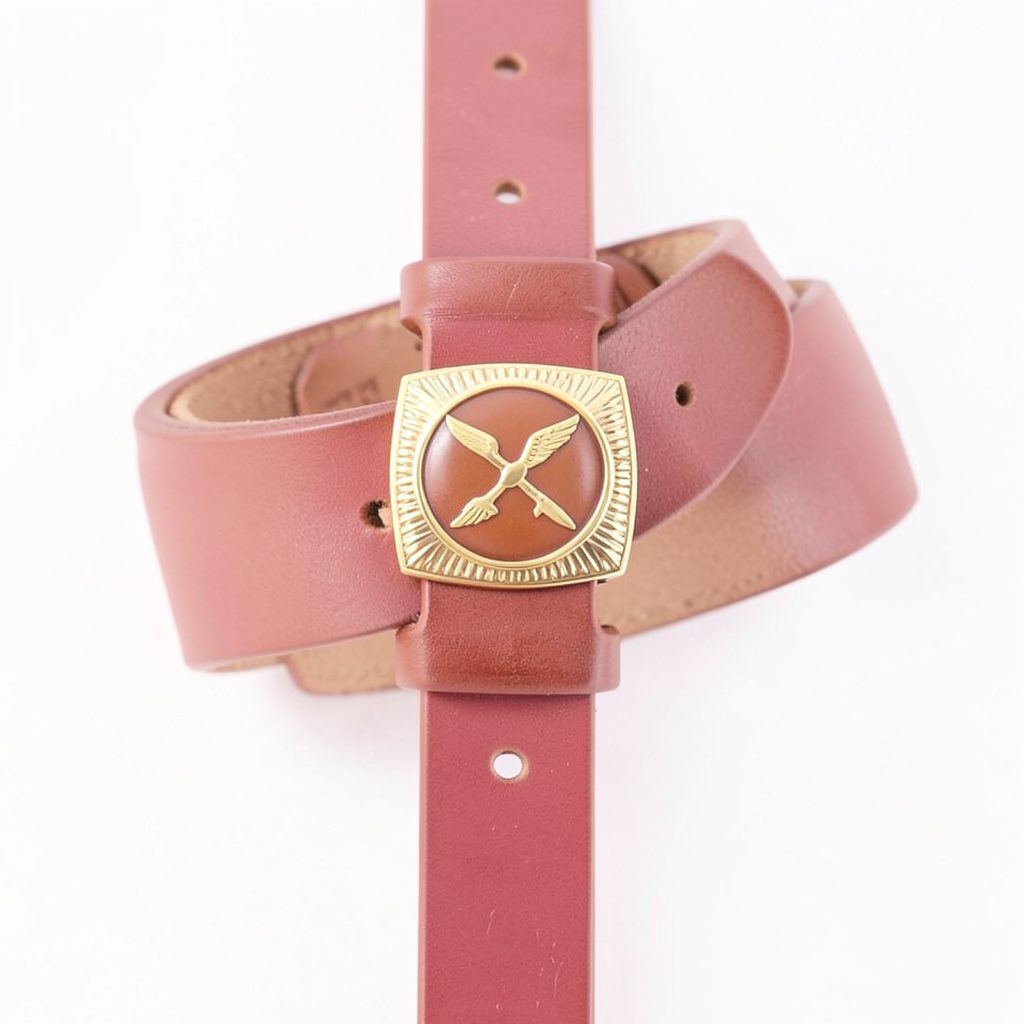
Belts, Bracelets & Bag Charms
Wallet styles, belts for men and women, bracelets, card holders, and shoulder straps crafted for everyday wear, including the Oscar Buckle and Lennox belts.
Shop Accessories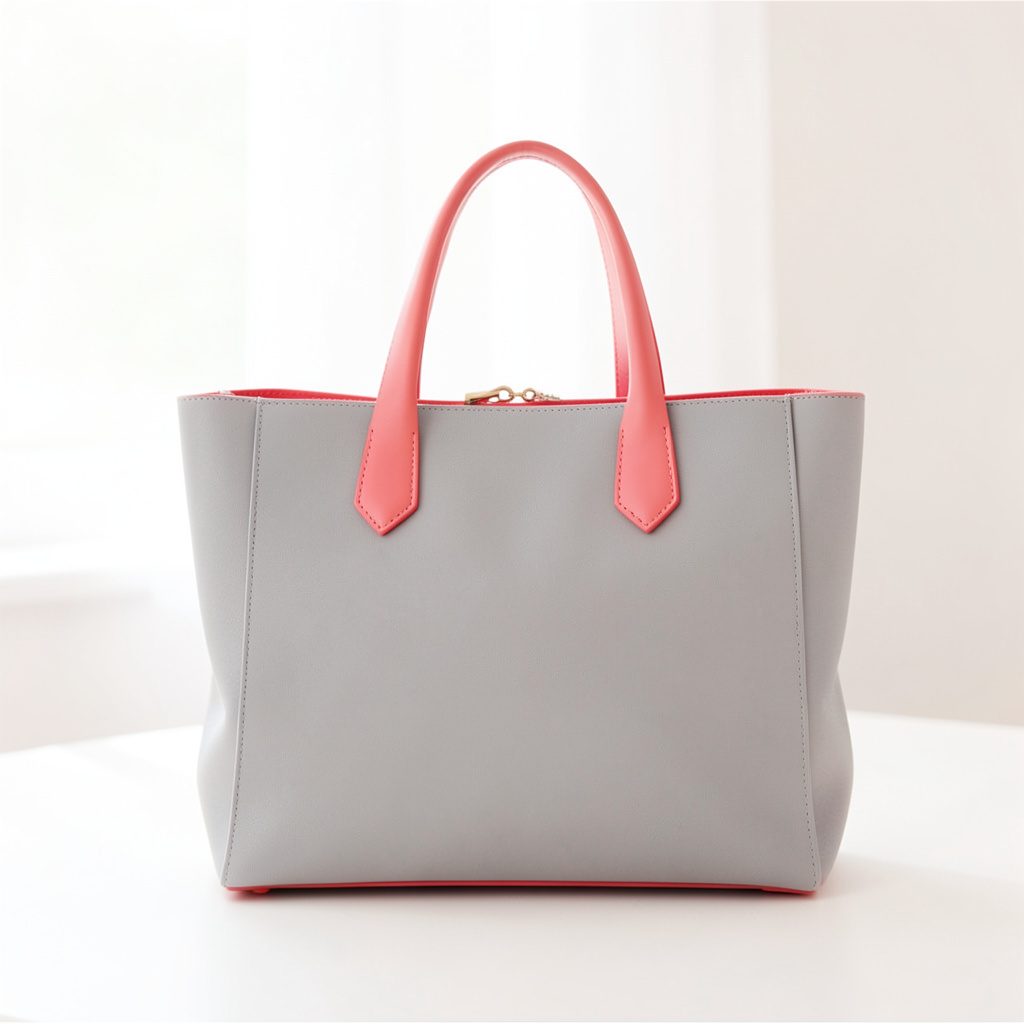
Birkin, Kelly & Bolide
Handmade replica Hermès bags in sizes 25cm, 30cm, 35cm, 40cm, and 42cm across Epsom and Clemence leather, in shades from Sapphire and Orange to Grey and Gold.
Explore HandbagsStay in the Loop
Sign up for store updates, new arrivals, and outlet offers.