How to Spot a Replica Hermès Bag with Accurate Interior Stamps
Most buyers examine the exterior first, because the silhouette, the turn-lock and the edge paint are the easiest details to photograph and the easiest to imitate convincingly. The interior is where a skilled copy operation concentrates its effort, and where it eventually slips. Every genuine Hermès bag carries a set of interior marks: a country-of-origin stamp, a date code, and a workshop or artisan symbol. Each one records something about where and when the bag was made.
Accurate interior stamps are precisely what high-quality copies target, which is why learning to read them matters for Australian buyers spending A$300 to A$2,000 on a bag they will never see in person. The checks below cover code logic, typography, hardware, leather and the local secondhand scene, so you can assess a listing or a bag in hand in roughly ten minutes and reach a defensible conclusion rather than a guess.
Why the interior stamp carries the evidence
Inside a genuine bag, three separate marks work together. The origin stamp states the country of manufacture, the date code combines a single letter with a two-digit year, and the artisan mark identifies the workshop that trained the maker. On some models you will also find the maker's blind stamp pressed into a leather corner. Read together, they form a short biography of the bag.
When a copy reproduces all of these accurately — the right letter, the right year, the right symbol, the right typeface — it looks complete at a glance. What exposes it is chronology. A 2024 date code sitting inside a bag whose hardware finish and interior layout belong to an earlier year, or a workshop symbol that was never paired with that model, produces an internal contradiction no amount of good photography hides.
Australian shopping habits make this harder, because the local market contains plenty of genuine bags that were never sold through an Australian boutique. A pre-loved find in Bondi Junction or a consignment rail in Chadstone may have no local paperwork whatsoever, so the interior stamp is strong evidence rather than final proof.
Reading date codes and workshop symbols
Date codes rotate on a fixed schedule. The letter indicates a period within the year and the two digits indicate the year itself, which means an experienced buyer can narrow a bag to a production era within a few months. A code whose letter falls out of step with the model year is the classic giveaway, as are transposed digits and a code stamped in a font that differs from the origin stamp beside it.
Workshop symbols are reproduced less carefully by many makers of copies. The horseshoe associated with a workshop-trained saddler, and the accompanying letters or numbers, should have a stretched but recognisable outline with clean geometry. Copies frequently flatten the heel of the horseshoe, break the crossbar, or borrow a symbol belonging to a different discipline entirely.
Model-specific exceptions are worth memorising. The Picotin traditionally carries an origin stamp but no date code, and some models place the code on the dust bag rather than the lining. If a seller shows you a dated Picotin, either the bag has been altered or the seller has never had it in hand.
Typography, ink and impressions under magnification
Hold the stamp under a 10x loupe or your phone's macro lens and study the edges. Genuine stamping leaves a slightly broken edge where ink skipped a pore of the leather, and the ink settles into the valleys of the grain while thinning on high points. Machine-printed copies tend toward uniformly hard edges, a faint halo, letters bleeding together at their corners, or word spacing that shifts from one line to the next.
Placement and pressure matter as much as shape. On a genuine bag the country stamp sits centred, parallel to a seam or pocket edge, at a consistent depth from the top of the panel. Stamps that wander, sit too high or too low relative to the pocket, or appear transferred rather than struck, look improvised.
Blind stamps on the leather carry their own tells. An embossed mark has soft, compressed edges with the grain pushed down around it, while an etched mark sits on the surface with a clean line and no displacement. The same applies to the maker's name inside the turn-lock: genuine lettering is deeply stamped with rounded terminals, whereas shallow laser-cut lettering with a bright edge gives the game away.
Hardware, screws and stitch geometry
Hardware confirms what the stamp suggests. A genuine turn-lock carries weight, rotates with defined resistance, and bears hand-engraved lettering with a fine serif and softened terminals. Its plating wears at the corners first, dulling evenly rather than chipping. Replica hardware often feels hollow, turns too freely, and shows lettering that is too uniform, too thin or too deeply cut.
Fasteners betray more than finish. Genuine construction uses slotted screws of a specific length and slot depth, machined cleanly, and the surrounding leather ages around them. Copies frequently substitute cross-head screws, rivets or wrong-diameter screws, which then chew the leather around the hole and leave the bag looking handled in a way the owner cannot explain.
It is the same logic behind Browning's A-bolt lineage, where every mechanical revision is documented and dated so a component cannot claim a year it never had. Applied to a handbag, that standard means checking whether every interior detail agrees with every exterior detail.
Stitching follows the same discipline. Saddle stitch uses two needles meeting in the middle with waxed linen thread, and the thread shows a slight twist and a waxed break where the two halves join. Machine lockstitch leaves a flat, even thread without that waxed break, and the stitches sit flatter and more uniform than the hand-finished originals.
Leather, lining and the senses
Material knowledge closes the remaining gap. Togo shows fine pebbling with occasional natural marks, Epsom has an embossed grain that is regular and matte, and Clemence carries a soft bloom with a slightly irregular surface. Bonded or polyurethane "leather" flattens under a thumb and springs back too quickly. Edge paint on a genuine bag layers slightly and chips at high-contact corners over time; synthetic finishes crack in sheets.
Smell and sound remain underrated shortcuts. Vegetable-tanned leather gives a warm, smoky note, while chemical re-tan and coated synthetics often carry a solvent sharpness. The turn-lock should click with a solid mechanical note; lightweight copies sound hollow against your palm. The lining should read as twill, canvas or a fine textile rather than a shiny polyester face.
Australian conditions also change what you should expect. Melbourne's damp winters and dry summers, Sydney's coastal humidity, and a hot Canberra afternoon all affect how leather behaves. A bag that has travelled honestly shows minor corner wear, a faint water ring near the lock and uneven colour where hands and forearms have rested. A "pre-aged" bag with uniform, identical distressing across every panel has been rushed through a distressing process.
Australian law and the local resale market
Two local realities shape this market. First, parallel importation of genuine branded goods is lawful here. Unlike in the United States, where first-sale exhaustion limits a brand's reach, a trademark holder in Australia cannot simply block genuine bags entering the market. A seller describing goods as imported is therefore offering nothing suspicious, and imported is never a synonym for genuine.
Second, the Australian Consumer Law requires goods to match their description, and state bodies such as NSW Fair Trading and Consumer Affairs Victoria act on misleading claims. A listing presenting a replica as a genuine Hermès, or describing it as hand-stitched in France, breaches the ACL on its face, and reproductions can also infringe the Trade Marks Act 1995 (Cth). Accurate descriptions such as replica, inspired or imported keep buyers and sellers on the right side of the law, even though the counterfeit trade exists regardless.
Look locally and provenance gets messy. Cash Converters, the traders around Paddy's Markets in Sydney, consignment rails at Chadstone and Bondi Junction, eBay Australia and Gumtree listings, and the leather stalls at Queen Victoria Market all handle bags with thin documentation. Pre-loved stores often hold receipts or brand-side authentication cards, so ask for them. Where that history is missing, treat the interior stamp as one signal among several and seek an independent opinion before committing real money.
On the money side, watch the border. Post shipments with a declared value under A$1,000 attract GST on arrival, and freight, insurance and possible duty on higher-value parcels shift the final cost. Worldwide free shipping claims deserve checking, because customs treatment and delivery timelines are where offshore sellers most often fall short of their advertising.
Buying online and running your own checks
Most replicas are sold online, and good catalogues make comparison easy. Stores organise stock by silhouette, colour, size and material, covering Birkin, Kelly, Constance, Lindy, Picotin, Oran sandals and small leather goods, so you can narrow to a single model instead of scrolling everything. Shops such as Replica Hermès Outlet let you filter a category, save a wishlist and check out through an account, keeping your shortlist, notes and screenshots together.
Before money changes hands, ask for four things in one message: a macro photograph of the interior date code, a straight-on shot of the country stamp, a close-up of the hardware engraving inside the turn-lock, and a picture of the bag standing upright. Stock photography cannot answer a follow-up question, while an actual bag can. A seller who refuses or answers vaguely has already given you an answer.
Two short checklists cover the moment of decision and the moment of delivery.
Before you pay:
- Date code letter and year match the model's production era
- Country stamp is centred, crisp and correctly worded
- Hardware shows hand-engraved lettering rather than laser etching
- Screws are slotted and the correct diameter for the holes
- Fresh photographs of the actual bag accompany the listing
- Return and shipping terms appear in writing
When the bag arrives:
- Compare the interior stamp against the listing photographs
- Check stitching for saddle stitch and waxed thread
- Test the turn-lock for weight and a clean mechanical click
- Assess the leather for grain, temper and warmth
- Look for consistent wear rather than uniform artificial distressing
- Keep packaging, tags and paperwork for any return
A replica Hermès bag with accurate interior stamps is convincing by design, and that is exactly why the surrounding evidence matters so much. Read the stamp, read the construction, and treat a seller who will not show you the interior as a seller you do not buy from.
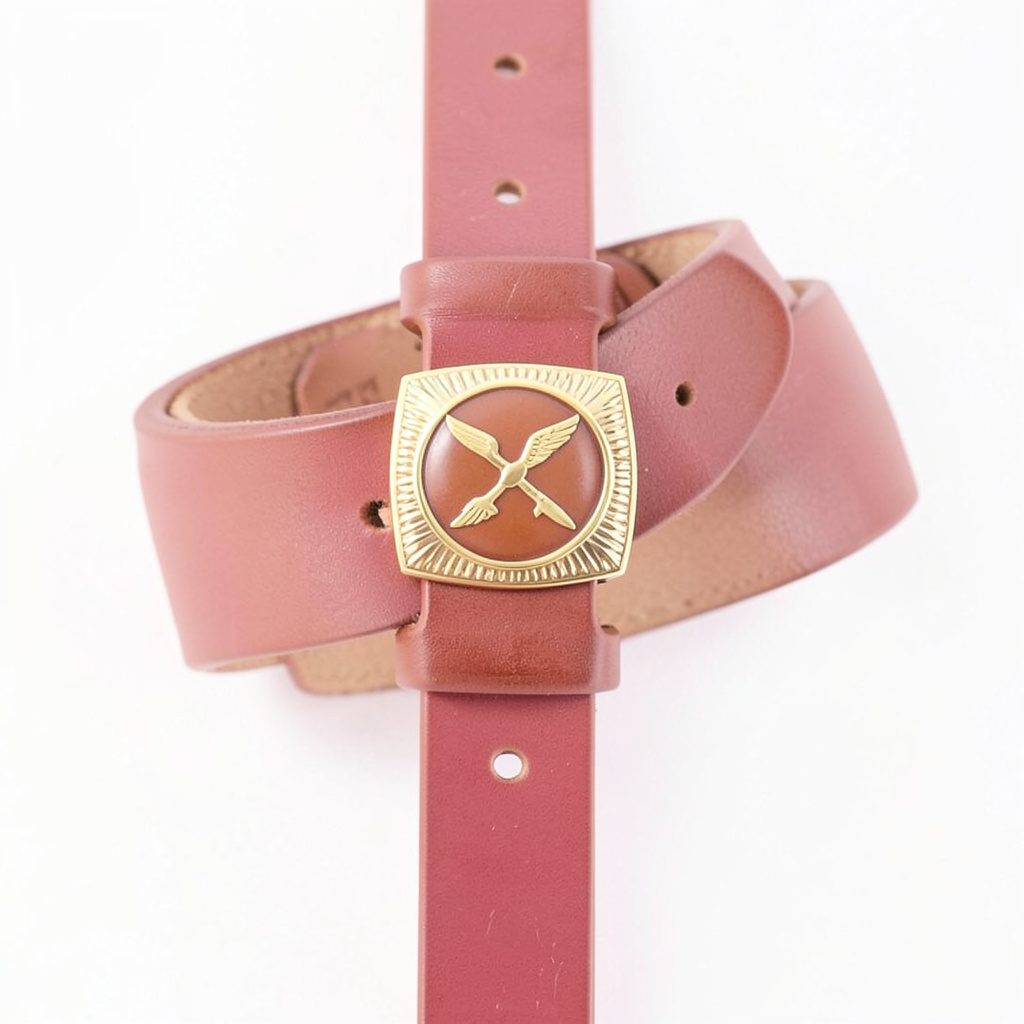
Belts, Bracelets & Bag Charms
Wallet styles, belts for men and women, bracelets, card holders, and shoulder straps crafted for everyday wear, including the Oscar Buckle and Lennox belts.
Shop Accessories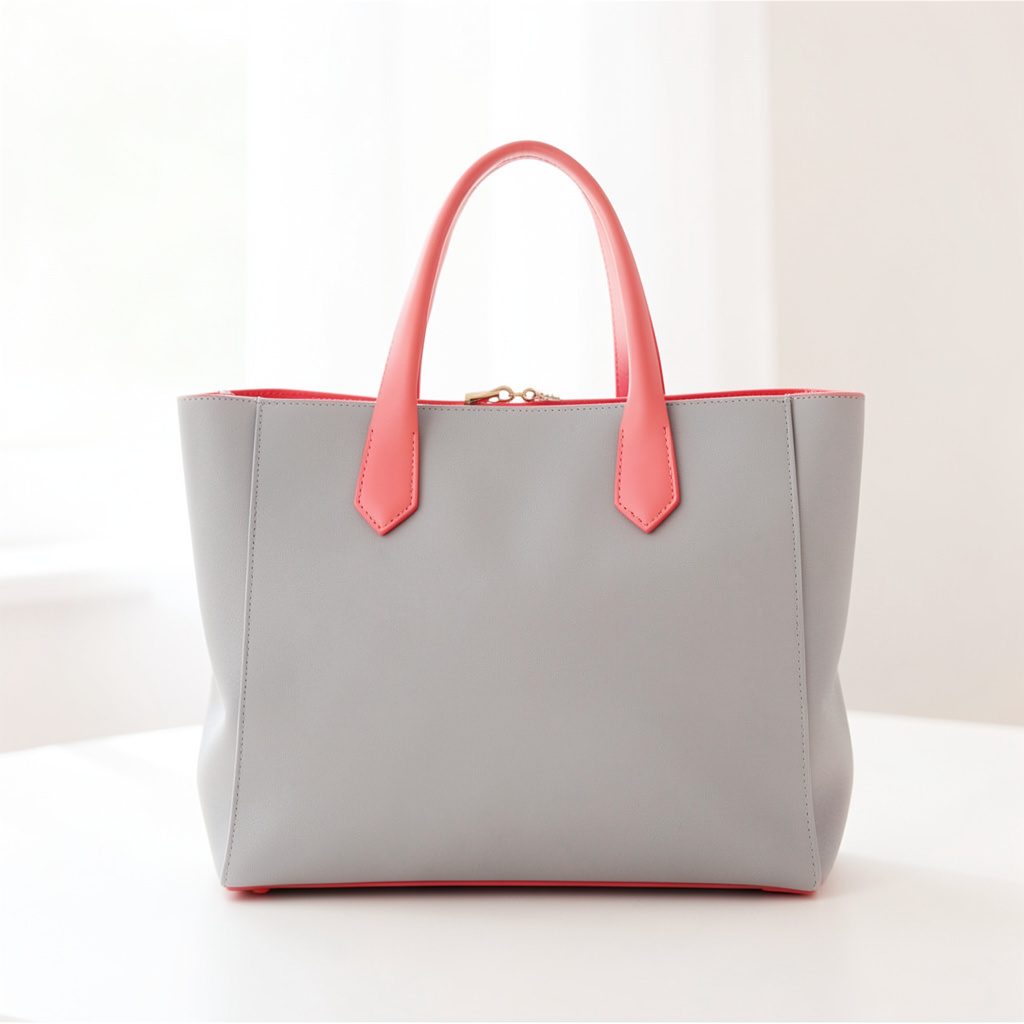
Birkin, Kelly & Bolide
Handmade replica Hermès bags in sizes 25cm, 30cm, 35cm, 40cm, and 42cm across Epsom and Clemence leather, in shades from Sapphire and Orange to Grey and Gold.
Explore HandbagsStay in the Loop
Sign up for store updates, new arrivals, and outlet offers.