The Honest Guide to Well-Made Replica Hermès Bag Stitching
Hermès bags have lived inside a particular mythology for decades. The Birkin, the Kelly, the Constance, they sit at the centre of handbag lore, and most of that mythology circles back to one quiet detail: the stitching. Whether you are a seasoned collector of authentic Hermès or simply a curious shopper weighing up replicas, learning to read the stitching on a bag tells you more about its construction than any logo or stamp ever will. The saddle stitch, in particular, is what separates a thoughtful make from a hurried one, and it is the first thing to understand before you part with a single dollar.
Australia's appetite for luxury-inspired accessories has grown quietly but steadily. In Sydney, you will spot the usual suspects around Queen Victoria Building and the boutique-lined streets of Paddington. In Melbourne, Chadstone and the laneway stores through the CBD keep the conversation alive. The honest truth is that many locals who love the silhouette of an Hermès original simply cannot justify the post-GST retail figure, especially when it creeps into five figures. Replicas have filled that gap, and a small but reliable boutique scene has grown up around the demand.
The trouble is that the replica market is wildly inconsistent. Some makers buy into the saddle stitch with everything they have, sourcing French linen thread and training their leather workers for months at a time. Others crank out piecework with a long-arm machine and a brief prayer. If you have ever wondered how to tell the difference without becoming a leather nerd overnight, the rest of this guide is for you. We will move through stitching technique, thread quality, spacing, edges, hardware, and finally the red flags to watch for when scrolling through product photos late at night.
Before you commit to any replica purchase, it can help to step back and notice the small details in your own space first. A recent post about decorating with wall stickers explored that idea from a different angle, and it stands as a useful reminder that visual craftsmanship, whether it sits on leather or plaster, rewards a careful eye.
The Saddle Stitch and Why It Matters
The saddle stitch is the foundation of any leather goods worth its salt. It is done by hand, using two needles on a single length of waxed thread. Each stitch passes through the hole, crosses over itself, and locks into place. The result is a row of stitches that looks almost identical on both sides of the leather, with a slight diagonal tilt when you peer closely. Hermès artisans are famous for this technique because it is slow, deliberate, and remarkably durable.
In a well-made replica, the saddle stitch should still be visible as the chosen method. Hold the bag up to a window or under a strong lamp and look at the thread path on the underside. If you see a single line of loops on the back, it is almost certainly a machine lockstitch. If you see the diagonal cross-over pattern, you are looking at the right construction, even when the bag itself is not an original. Replicas that skip this step betray themselves within seconds of proper inspection.
Australian summers can be brutal on stitching. UV, salt air along the coast, and the kind of humidity that rolls in from Brisbane or across the Top End will quickly dry out an inferior thread. A proper saddle stitch holds its tension under that stress, while a machine-made stitch loosens and frays much faster. That is one reason to favour replicas from makers who commit to the handwork, even if the price climbs a few hundred dollars on top.
Thread Weight, Twist and Colour Match
The thread itself tells its own story. Hermès uses a waxed linen thread in most of their handbag production, which has a slightly fuzzy, matte surface and a particular tension when you run it between your fingers. High-tier replicas follow suit and use either French linen or a comparable European-made waxed cotton. Lower-tier versions often use a shiny polyester that looks fine on day one but begins to pill and gloss over after a season of use.
Colour matching is the next test. The thread on an authentic bag is rarely an exact pigment match to the leather. It is usually one shade darker or noticeably different, chosen so the stitching reads as a design feature rather than blending into the hide. A good replica respects this logic and uses a thread colour that contrasts subtly with the body of the bag. When the stitching perfectly disappears into the leather, you are looking at a piece that has been rushed.
Thread twist matters too. A well-made thread shows an even, consistent twist along its length, with no fuzzy spots or loose fibres. Under a magnifier, sloppy replicas show variation in thickness and occasional slubs. Take a handheld loupe to the bag if you are shopping in person at a store like the boutiques running along Chapel Street in South Yarra. If the seller pulls the bag away from the loupe, walk out. Transparency about construction is non-negotiable.
Stitch Count, Spacing and Tilt
The famous Hermès stitch count comes up again and again for a reason. On most Birkins and Kellys you will find around five stitches per centimetre, give or take a fraction. The spacing is also dead even, with no creeping or tightening from start to finish. This consistency is what gives the rows their calm, architectural look.
A replica that takes the craft seriously will hit close to that five-stitches-per-centimetre number and will keep the spacing consistent across panels. A cheaper replica will often count higher, with six, seven or even eight stitches per centimetre, which makes the rows look fussy and crowded, or lower, sitting at three to four, which makes them look loose and amateur. Quick stitches also tend to tilt at a uniform angle, while the saddle stitch dips one way and then the other across each hole, creating a soft zigzag.
When you are looking at photos on a boutique site, zoom in until you can count the stitches yourself. Most platform interfaces let you pinch to zoom on phone images, or you can download the file and open it on a desktop. When the photos only show wide glamour shots, treat that as a soft warning sign. A maker who is proud of their work shows the seams.
Edges, Glazing and the Underside
Stitching never exists on its own. The edges of a leather panel tell you almost as much as the rows themselves. Authentic Hermès uses a layer upon layer of edge paint, called glazing, that is buffed smooth between coats. The finished edge should feel like glass, with no rough spots, no skipping, and no visible brush marks. A well-made replica replicates this process with multiple thin coats.
Cheaper replicas shortcut the glazing in two ways. Either the edges are raw and lightly painted, leaving you able to feel the leather fibres underneath, or they are slathered with a thick coat of paint that cracks within weeks. Take a damp cloth and rub the edge gently in a store. Real glazing does not transfer colour. Bad glazing colours up the cloth immediately, and that alone tells you everything you need to know.
The underside of the seams also gives the game away. A clean saddle stitch will leave a flat back with the cross-over pattern visible. A machine-stitched replica will often show bunched thread or small loops on the back because the bobbin tension was off. Neither detail is fatal on its own, but combined with other shortcuts, they paint a clear picture of where the bag sits on the quality scale.
Hardware and the Tiny Stitches Around It
Hardware is where shortcuts become very obvious. The feet on a Birkin, the closure on a Kelly, the rings on a Picotin, each one is anchored with extremely fine, hand-placed stitches. A well-made replica will mirror this with stitches that hug the metal hardware closely, sit at a clean angle, and keep their tension.
Australian shoppers and boutique owners have noted that hardware anchoring is one of the first things customers check. Hold the bag by one of the rings. If the ring wiggles, or if you can see daylight between it and the leather, the anchoring is sloppy. The stitches around the rings should also slope in the same direction across the entire bag, which takes a careful hand to achieve.
Look too at the thread tails. A clean finish means the thread is melted or waxed back into the seam, with no long tails or glue blobs. Glue is the lazy maker's tell. Authentic Hermès construction rarely uses glue on seams, and only the best replicas follow that rule in their work.
Red Flags When Looking at Photos and In Person
A few quick checks will save you from a dud. Photos that never show the underside of a strap, the back of a stitch row, or the edge of a panel are hiding something. Boutique descriptions that lean heavily on the brand name and avoid any mention of construction details are doing the same. Pricing that seems too good to be true almost always reflects skipped steps somewhere along the line.
If you are buying online from an Australian-friendly boutique, ask for extra photos before you commit. Any seller who refuses to send a close-up of the saddle stitch or the edge glazing is worth avoiding. If you are buying in person, take your time under good light and use your phone's macro setting if you do not have a loupe handy. A bag that passes every check will feel reassuringly solid in the hand, with stitching that looks deliberate and unhurried. That feeling is the one thing nobody can fake.
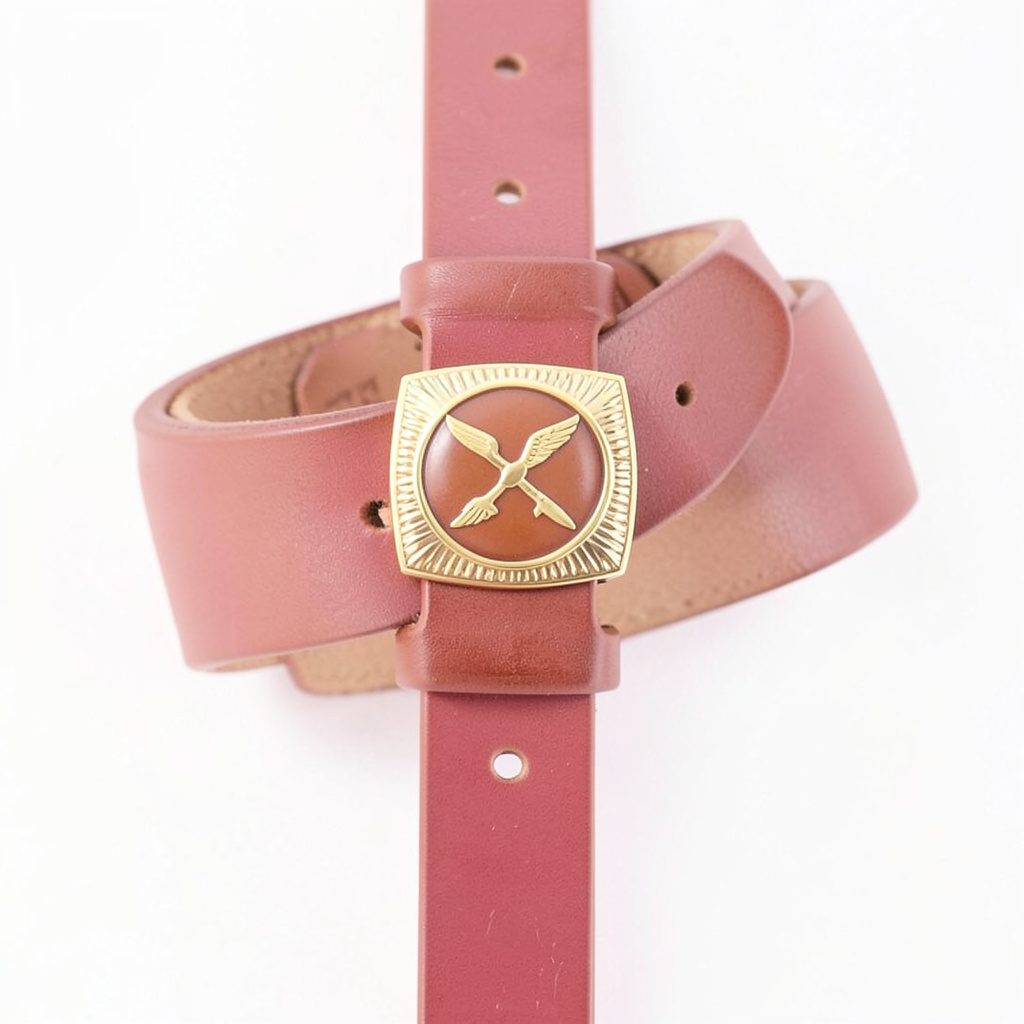
Belts, Bracelets & Bag Charms
Wallet styles, belts for men and women, bracelets, card holders, and shoulder straps crafted for everyday wear, including the Oscar Buckle and Lennox belts.
Shop Accessories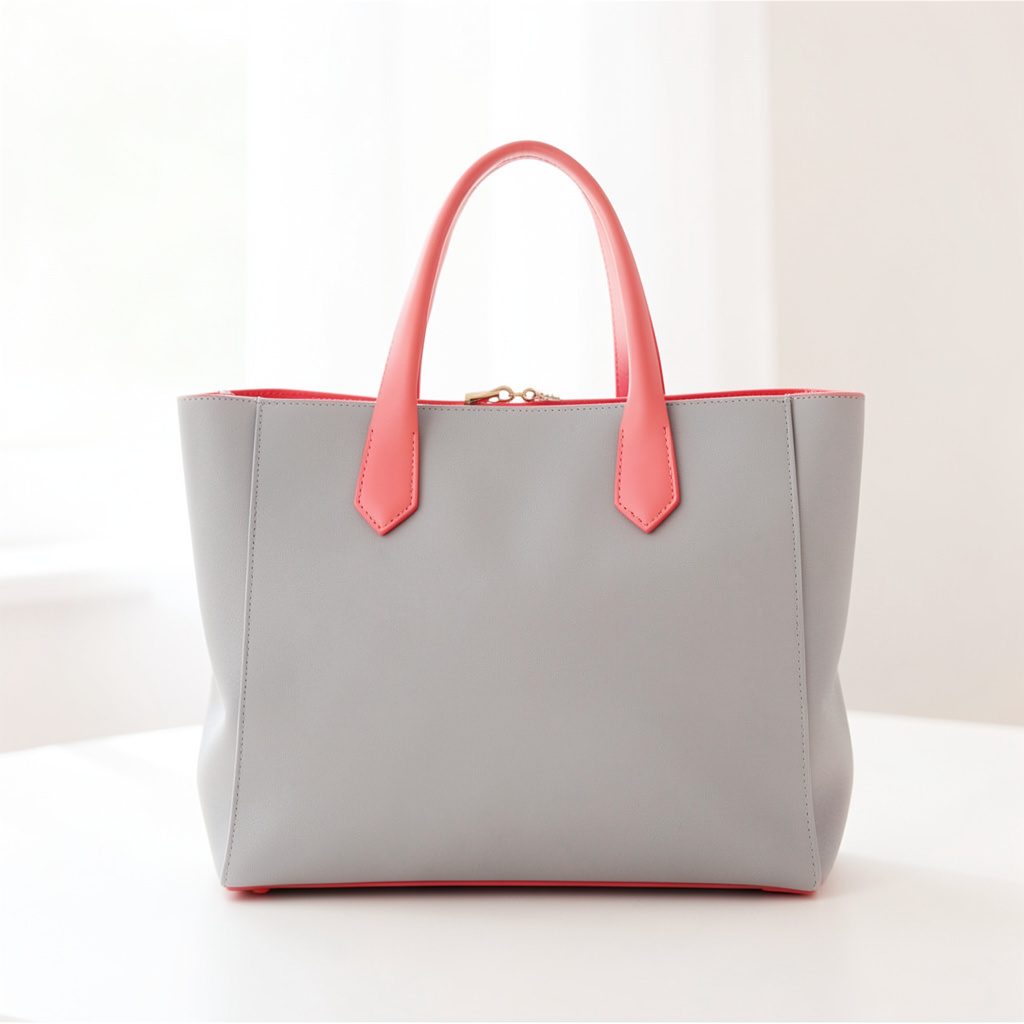
Birkin, Kelly & Bolide
Handmade replica Hermès bags in sizes 25cm, 30cm, 35cm, 40cm, and 42cm across Epsom and Clemence leather, in shades from Sapphire and Orange to Grey and Gold.
Explore HandbagsStay in the Loop
Sign up for store updates, new arrivals, and outlet offers.