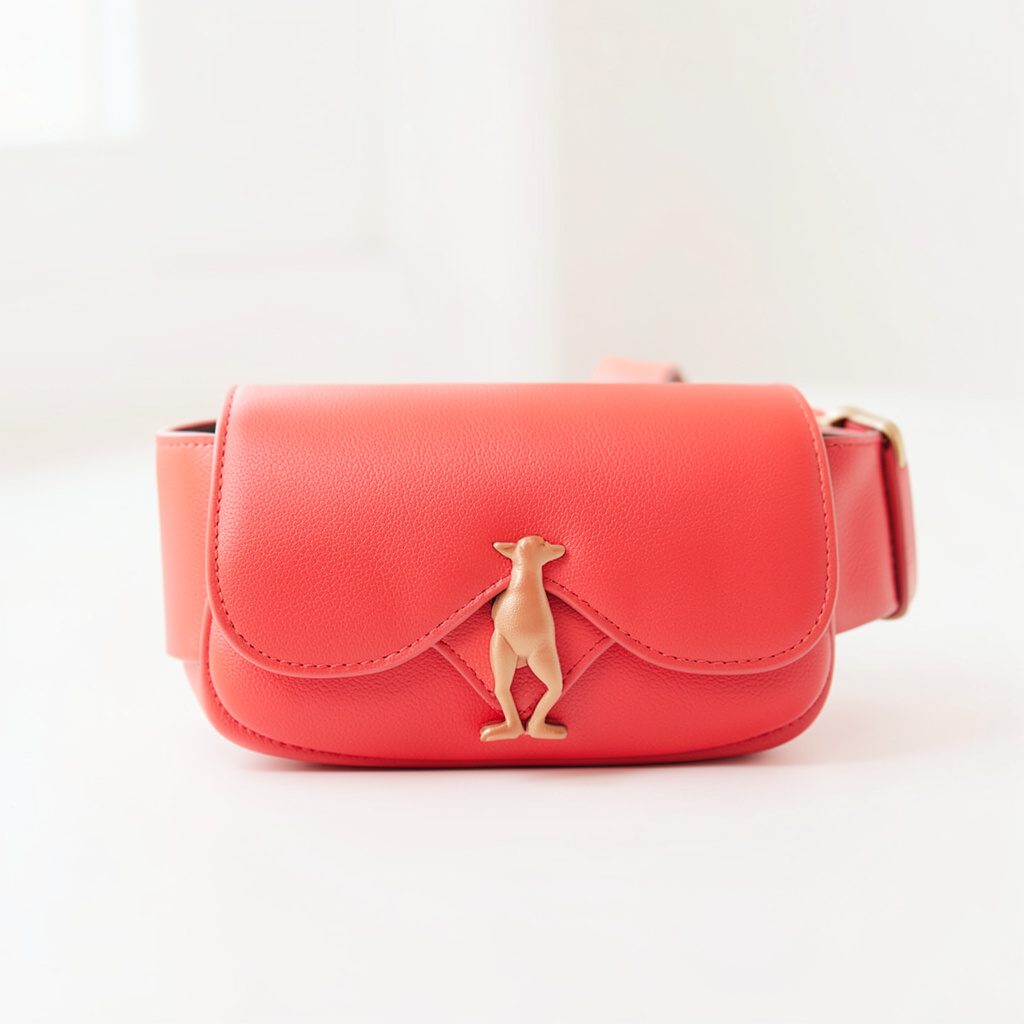
How to Tie a Replica Hermès Scarf the Parisian Way
The square of silk that Hermès has been printing since the 1930s is less a piece of fabric than a piece of grammar. It sits at the end of a sentence you did not know you were making. Worn correctly, it reads as restraint: a knot that looks like it took ten seconds, a hem that was rolled by hand, a pattern that appears once and never again in the room. The trick is not the money. The trick is the fold, and the fold is learnable in an afternoon.
Here is what most people get wrong. A Hermès carré is printed on a tube of silk twill, then rolled and hand-stitched along the edges, which means the fabric behaves like a ribbon rather than a flat sheet of paper. Any knot you saw in a film depends on that bias, that weight, and those rolled edges. Push a polyester imitation through the same motions and it slides, wrinkles and pulls the front of your coat out of shape. Getting the technique right is worth more than the label on the box.
What follows is a working guide to three knots and two drapes, written for people who live in a country where a scarf is mostly an indoor object. You will also find notes on choosing a square from the boutique's catalogue by colour, size and material, and on what actually happens when a parcel from overseas lands in Melbourne or Brisbane.
One more thing worth saying up front: the Parisian look is not a costume. It is a proportion problem. The scarf has to sit at the collarbone, not on the shoulder. The ends have to be uneven, not symmetric. The knot has to be loose enough that you could undo it with one finger. Anyone can copy a look; matching its measurements is what separates it from the version that looks borrowed.
Why the carré still works
Silk twill has been woven in Lyon since the Middle Ages, and Hermès built its reputation on that cloth: a dense, slightly matte weave that holds a roll and takes an impression sharply enough to read from across a café table. The classic carré measures ninety centimetres on every side, which is precisely what allows it to wrap twice around a neck and still leave a workable length in front. A larger square looks matronly; a smaller one turns into a bandana.
Price is the other reason the replica market exists. A genuine carré from an Australian boutique or the Hermès website sits comfortably north of four hundred dollars, and the Twilly and Brides de Gala prints sit higher again. The replica versions sold online typically land between sixty and a hundred and fifty, which puts the square within reach of someone who would never buy the bag but has always wanted the scarf. It is the cheapest entry point in the whole luxury-inspired catalogue, and stylists know it.
What Parisian dressing actually does with the scarf is use very little of it. A narrow roll at the back of the neck, one loose knot, the two ends dropped forward and left to hang unevenly. The pattern shows at the chest, which is where a scarf does its work. The rest is texture: silk against wool, a flash of colour under a camel coat, a knot that says someone dressed carefully but quickly.
Choosing a square that can actually be tied
Material first, always. Look for silk twill, or a printed polyester with enough weight and a rolled hem to mimic it. The test is simple: roll the square tightly between your thumb and forefinger. Good twill holds the roll. Cheap printed fabric flattens out, creases at the diagonal, and develops a shine on the fold line after a week of wear. Check the edges too. Hand-stitched rolled hems feel like a small raised cord; machine-stitched imitations feel thin and sharp.
Size is the second filter. The ninety-centimetre square ties every knot in this guide. Some listings carry a smaller fifty-five or seventy-centimetre bandana, which cannot be wrapped twice and must be folded in half, so plan your techniques around it. The boutique organises its catalogue by category, colour, size and material, which makes it easy to narrow down before you commit to anything: filter by accessories, then by the colour you actually wear, then check the dimensions against the product images.
Pattern is a matter of scale and repetition. The archival prints — bridally inspired florals, the racing silks, the orange box-calf motifs — are busy and formal, which makes them better under a plain coat than over a patterned one. A solid square with a narrow border is the quieter option and the easier one to start with. The rule of thumb most stylists use is to pick one repeat in the room: if the scarf is orange, the shoes or the bag lining should carry a trace of it, and if the scarf is a large floral, everything else should be flat colour.
The knots worth learning
Start with the loop. Lay the square flat, roll it lengthwise into a tube, and hold it across the front of your body with the seam facing down. Bring one end around the back of your neck, then the other, so the two ends meet at the collarbone. Cross them once, form a loose loop with the end that is on top, and pass that same end through the loop and around the base of the other end. Pull gently. That single turn is what creates the small knot that sits slightly off-centre and looks like it happened by accident. Leave the tails ending at different lengths, one at the sternum and one just below.
The second knot is flatter and better for shirts. Roll the square as before, wrap it once around the neck, and then take one end behind the roll and thread it through from underneath, so the flat face of the silk faces outward and the knot disappears into the wrap. It reads as a scarf tucked into a coat rather than tied, which is how the Parisians wear it with a trench and why it works so well in photos.
The third is the hair knot, and it is the one that takes the least practice. Fold the square along its diagonal into a triangle, roll the long base edge into a tube, place it over your head like a headband, tie a single knot at the nape, and tuck the loose corners in. Hold it with a hairpin or a small silk ring if you are wearing it in wind.
Whatever knot you choose, the finishing is the same. Adjust it a centimetre lower or higher, spread the tails so the pattern shows, and pull the whole thing forward so it sits away from the collar. Never iron silk twill directly; steam it from a distance and hang it overnight, and store it rolled rather than folded, because a crease along the diagonal will undo every careful knot you tied.
Drapes for hair, shoulders and bags
The scarf was designed to be attached to something. Hermès originally produced it as a tie for a saddle girth and for the handles of its own silk bags, which means the loop knot works beautifully around the handle of a Birkin or Kelly replica from the boutique's handbag range. Tie a single knot above the handle, thread both ends down through the base of the bag and pull them flat against the leather. The square frames the bag without covering the closure, and it is the single most useful thing in the collection.
For the hair, the headband version is more forgiving than the nape knot, particularly on a hot day, because it keeps the hair off the neck. Fold the square into a band roughly five centimetres wide, tie it at the nape, and let the short ends tuck into the roll. This is the version that survives a walk from Bondi to Coogee, where wind and salt spray would undo anything more elaborate.
There is also the shoulder drape, which is the least Parisian and the most useful: roll the square, place it on one shoulder, and let the ends fall down the front of a coat over the opposite arm. It works as a scarf substitute when you do not want a scarf around your neck, and it is the correct answer for anyone in Brisbane in February.
Dressing it for Australian weather and habits
Australians mostly wear scarves indoors, which changes the styling brief entirely. A European knot designed for a street becomes a table-top detail here: you put the scarf on walking into a restaurant, and it stays on while you eat. That means the knot should sit clear of the bib of an apron in a café, and the pattern should face up, not down toward a plate. In Melbourne, where the wind off Port Phillip arrives cold enough to justify a wool overcoat in July, the classic neck roll earns its place outdoors as well. In Sydney, where the January heat makes a neck scarf a genuine mistake, the bag handle and the hair are the sensible options.
The everyday habit worth understanding is the coffee run and the brunch, because that is where the square earns its keep. Melbourne's laneway coffee culture rewards a considered detail at the table: a rolled silk at the collarbone under a wool coat reads polished in a way that a new handbag does not, since almost everyone at the table already owns a good bag. Sydney's version runs through the high street and the harbour walk, and again the square sits where a camera catches it.
There is also a local market for the real thing, which is worth knowing about before buying a replica. Rose Street Artists' Market in Melbourne stocks vintage women's silk squares, and Sydney's Carriageworks weekend markets occasionally turn up pre-owned Hermès twillies and bridals prints. Prices there are firm, but they tell you exactly what the twill should feel like, which is the most useful comparison you can make.
Shipping, GST and the law from an Australian buyer
The boutique promotes worldwide free shipping, and goods arriving from overseas raise two practical questions. The first is tax. Australia applies GST on imported goods with a customs value of AUD 1,000 or more, collected at the border; below that threshold, no import duty is charged. Apparel and accessories also carry a general tariff rate of five per cent, so a parcel valued above the threshold can attract tax and duty at the door. The second question is what happens if a parcel is held, which leads to the law.
Importing goods bearing a registered Australian trade mark without the consent of the owner is an offence under the Trademarks Act 1953 (Cth). Customs and Border Protection seizes counterfeit consignments regularly and destroys the goods rather than releasing them for sale, so an order can be intercepted and never arrive. The penalty for the importing offence carries imprisonment of up to ten years for an individual and substantial fines for a company, which is why reputable sellers are careful about how they describe their stock. Misleading conduct provisions in the Australian Consumer Law also bite: describing an imitation as an authentic Hermès scarf is a false claim about goods, regardless of the quality of the stitching.
That does not make the style any less worth learning. Read the product description carefully, check the material and dimensions, look for the rolled hem, and treat any listing that promises a genuine Hermès piece with suspicion rather than excitement. Then spend twenty minutes on the knot, because that is the part you own. A loose roll at the collarbone, an uneven pair of ends and a hem that looks hand-finished will do more for an outfit than the most expensive bag in the collection, and it will do it in every Australian city, in every season, in about the same number of seconds it takes to tie your shoes.
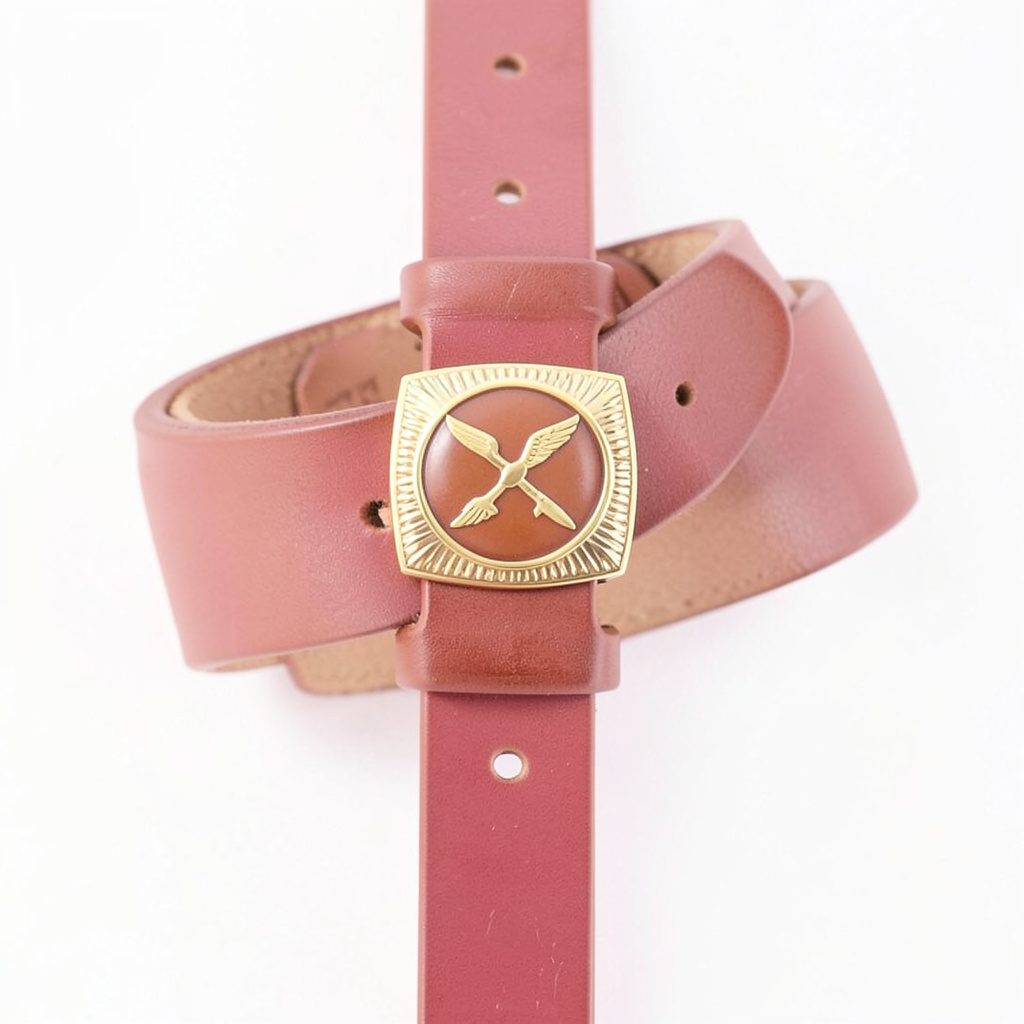
Belts, Bracelets & Bag Charms
Wallet styles, belts for men and women, bracelets, card holders, and shoulder straps crafted for everyday wear, including the Oscar Buckle and Lennox belts.
Shop Accessories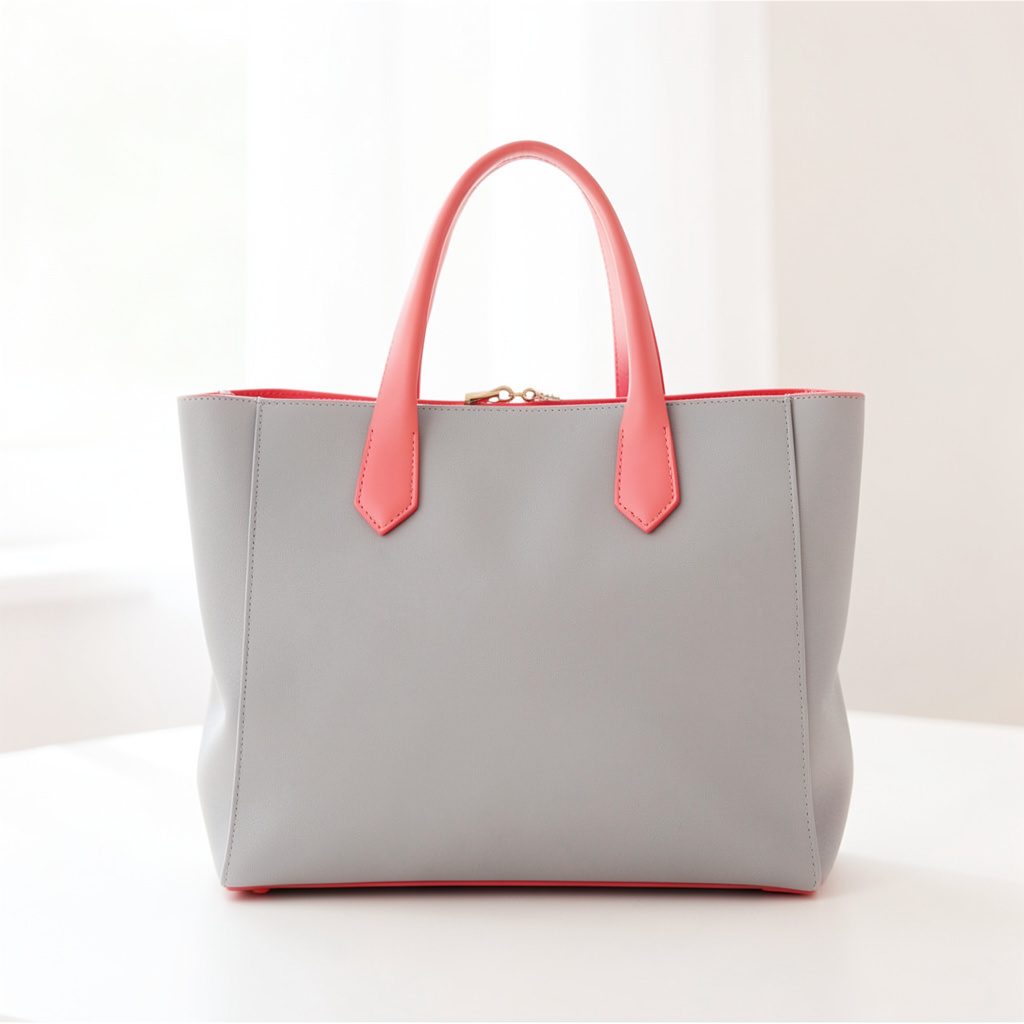
Birkin, Kelly & Bolide
Handmade replica Hermès bags in sizes 25cm, 30cm, 35cm, 40cm, and 42cm across Epsom and Clemence leather, in shades from Sapphire and Orange to Grey and Gold.
Explore HandbagsStay in the Loop
Sign up for store updates, new arrivals, and outlet offers.