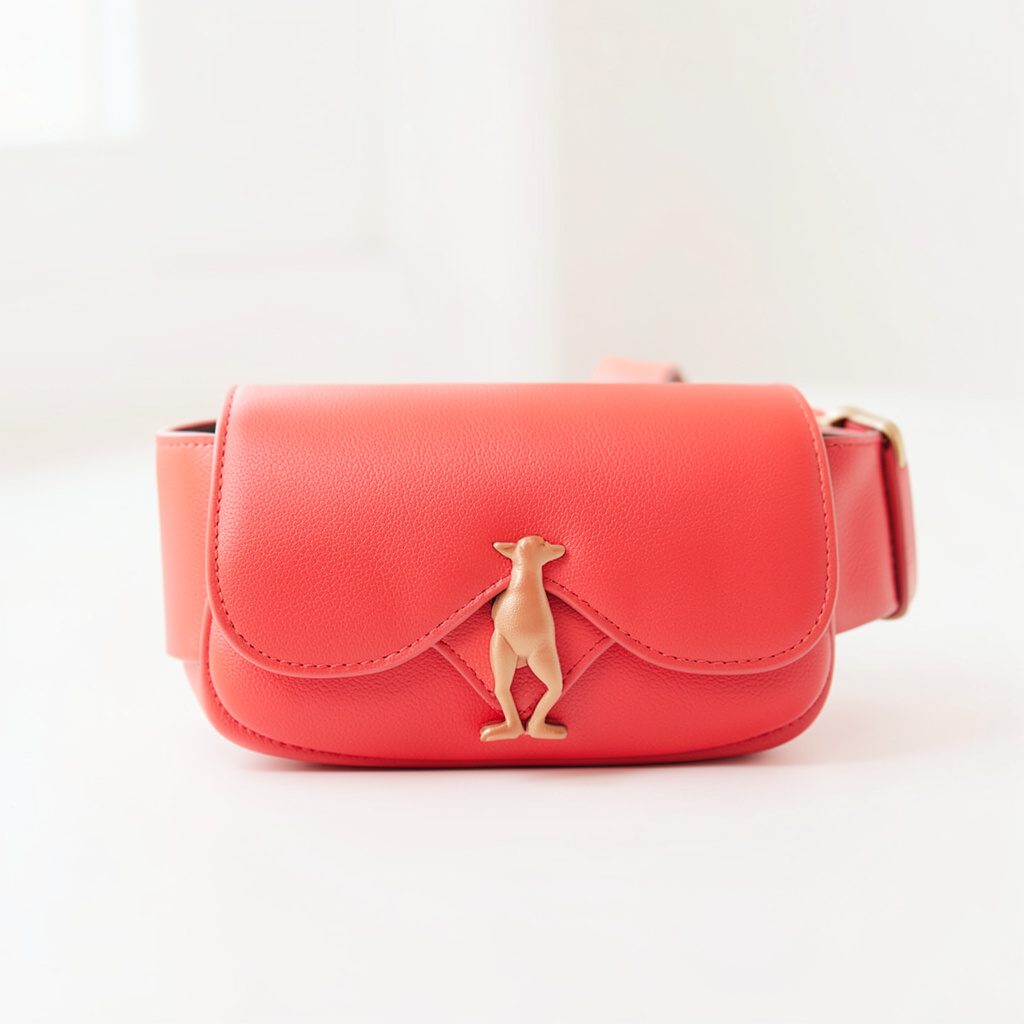
How the Birkin Silhouette Became a Replica Design Icon
The history of the replica Hermès Birkin inspired design begins with a practical request rather than a fashion campaign. The original object was conceived for Jane Birkin, whose work already moved between British film and French culture. Its later status as a collector’s piece has often obscured the useful brief: a generous personal bag that could hold a notebook, purse and other belongings during brief escapes from formal life.
Modern sellers use replica, lookalike and inspired loosely, so the terms can describe very different products. A genuine Hermès Birkin carries the house name, serial coding and documented provenance. A replica may copy the silhouette and hardware closely, while an inspired design changes the proportions, closure or decoration. That distinction matters because visual similarity does not establish authenticity or craftsmanship.
The enduring appeal comes from how clearly the bag communicates its purpose. Its flap, twin handles, side straps, turn-lock and padlock create a disciplined composition recognizable from across a room. Those repeatable features also make the design attractive to fashion followers, costume makers and online retailers who want the Birkin effect without the original price or waiting lists.
For Australian shoppers, this history is filtered through local budgets, climate and online buying habits. Sydney and Melbourne account for a large share of demand for fashion accessories, yet customers may order from Brisbane, Perth, Adelaide or regional towns rather than visit a Paris boutique. The lookalike category therefore has to compete on accessibility, sizing information and dependable delivery as much as on appearance.
A weekend sketch becomes a Paris icon
In 1984, Birkin met Jean-Louis Dumas, the head of Hermès, and sketched the bag she wanted during their Paris conversation. The sketch was less a mood board than a specification: a soft-sided container, a secure flap and enough room for the items she routinely carried. Dumas is said to have captured the idea in Birkin’s notebook, leaving the interior blank so the owner could personalise it.
The first production Birkin appeared in 1985 and carried Jane Birkin’s name. It evolved into a numbered leather family rather than one frozen design, with sizes later associated with 25, 30, 35 and 40, along with variations in handles, straps and hardware. The related Kelly, named for Princess Grace of Monaco, was already an established top-handle form. Together, the two designs show how the Birkin grew from a personal-use object into a structured house code built around function.
Supply was deliberately controlled, helping the bag develop an aura of exclusivity that shaped public desire. Selective production and hand-finishing made it scarce; celebrity sightings and auction prices amplified the mythology. Yet its history also rests on relatively simple construction ideas. Replicas borrow that visible geometry, not the atelier knowledge, leather selection or years of finishing that give an original bag its character.
Decoding the silhouette that lookalikes borrow
The most copied features are the trapezoidal body, broad flap and paired sangles that descend toward the side gussets. A polished turn-lock sits beneath a hanging padlock, while a small clochette can accompany the key. These details create the famous Birkin frame: formal from a distance, but designed around a handbag’s daily duties. Copying the outline without reproducing the attachment points can make the result look oddly rigid.
Colour and grain accelerated recognition. Gold hardware on tan, black, navy or deep red leather recalls the most photographed combinations, while pebbled Togo, grained Epsom and softer Clemence offer different handles. Birkin-style sellers often organise stock by colour, material and size, letting buyers imitate a remembered palette rather than build an outfit from scratch. That choice reflects the way the original became a personal code as well as a public emblem.
Details can also distinguish tiers of imitation. In an authentic piece, stitching should meet cleanly, hardware should carry weight and the leather should hold a deliberate shape without looking rigid. Some replicas are simply compact fashion bags with a similar flap; others imitate the name, serial format and packaging. The closer a product comes to those identifiers, the more important it is to state plainly that it is not a genuine Hermès article.
From scarce Paris object to global search term
The internet changed the bag’s cultural role. Once a scarce object photographed mainly through editorial pages and celebrity paparazzi images, the silhouette entered search engines, resale listings and social feeds. Hermès Birkin became both a luxury query and a template. In the 2000s, online sellers began offering affordable versions inspired by the shape, while later social media made a lock, handle or side profile instantly recognisable.
That spread created a peculiar hierarchy of desirability. The original remains desirable partly because it is difficult to obtain, whereas replicas promise immediacy and choice. Some buyers treat them as everyday experimentation; others value the spectacle of a statement accessory at a lower outlay. Search terms such as Birkin-style handbag and replica Birkin bag can lead to products with little material or construction in common, so the label alone offers no reliable guide to quality.
Modern boutique catalogues reflect this fragmented demand. A customer may browse handbags, shoes, accessories and small leather goods, filter by category, colour, size and material, save favourites to a wishlist and create an account before checkout. Worldwide free-shipping claims make the design feel globally available, while the Birkin-like product sits at the centre of a much broader affordable-luxury marketplace built around visual recognition.
The Birkin look in everyday Australia
Australian demand is strongest in Sydney and Melbourne, where polished office dressing and relaxed weekend style often meet. An arvo appointment at a Sydney harbourside café can lead to the same bag being considered for work, while Melbourne’s laneway boutiques and Chapel Street fashion strip attract buyers who treat an accessory as part of a broader wardrobe. Locals often call a particularly appealing find a beaut, a word that signals approval without demanding a formal occasion.
Weather also decides which version feels wearable. Sydney humidity and Brisbane’s warmer days make heavy, stiff imitation leather less comfortable for long carries, while Melbourne’s changeable forecast rewards a bag that handles a sudden shower. Lined cotton canvas or supple, lighter-grain material can suit the climate better than a bulky version with rigid sides. Local shoppers therefore tend to value the same Birkin-inspired shape for practical reasons as well as its obvious visual impact.
Buying patterns are distinctly digital across many Australian markets. Prices are usually shown in Australian dollars, and GST on low-value imported goods is generally collected at checkout. Customers expect clear delivery windows, tracked shipping and an Australian return address; click-and-collect suits city shoppers, while weekend dispatch matters to buyers who work all week. Local vintage culture, visible at Sydney’s Paddy’s Markets and Melbourne’s Camberwell Market, also strengthens demand for leather pieces with believable wear and construction.
Reading the design history without mistaking imitation for heritage
Provenance and disclosure are central to a responsible reading of this design history. Australian Consumer Law requires clear, accurate representations and appropriate remedies when goods are faulty. A retailer should not rely on vague inspired wording while presenting a product as genuine Hermès, nor should it describe an unofficial bag as an exact replica if key elements differ. Clear photographs, dimensions and material notes protect buyers and make the distinction between heritage and imitation easier to understand.
Leather selection also shapes longevity, so buyers should judge each construction on its own terms. Full-grain or high-grade replicas can age attractively, while coated synthetic versions may crack sooner; a genuine piece has documented materials and after-sales support. Humidity, rain and direct sun matter across all three. A dust bag, careful storage and realistic expectations protect value more reliably than the presence of a familiar hardware shape.
Marketing can tell that history without pretending that a copy inherited the original craftsmanship. A complementary product such as a contemporary smartwatch can support modern styling imagery, while captions should identify a handbag as an unofficial interpretation rather than a genuine house piece. Used honestly, the Birkin-inspired design can offer accessible drama without borrowing a pedigree it never possessed, leaving its value grounded in the buyer’s taste, use and budget.
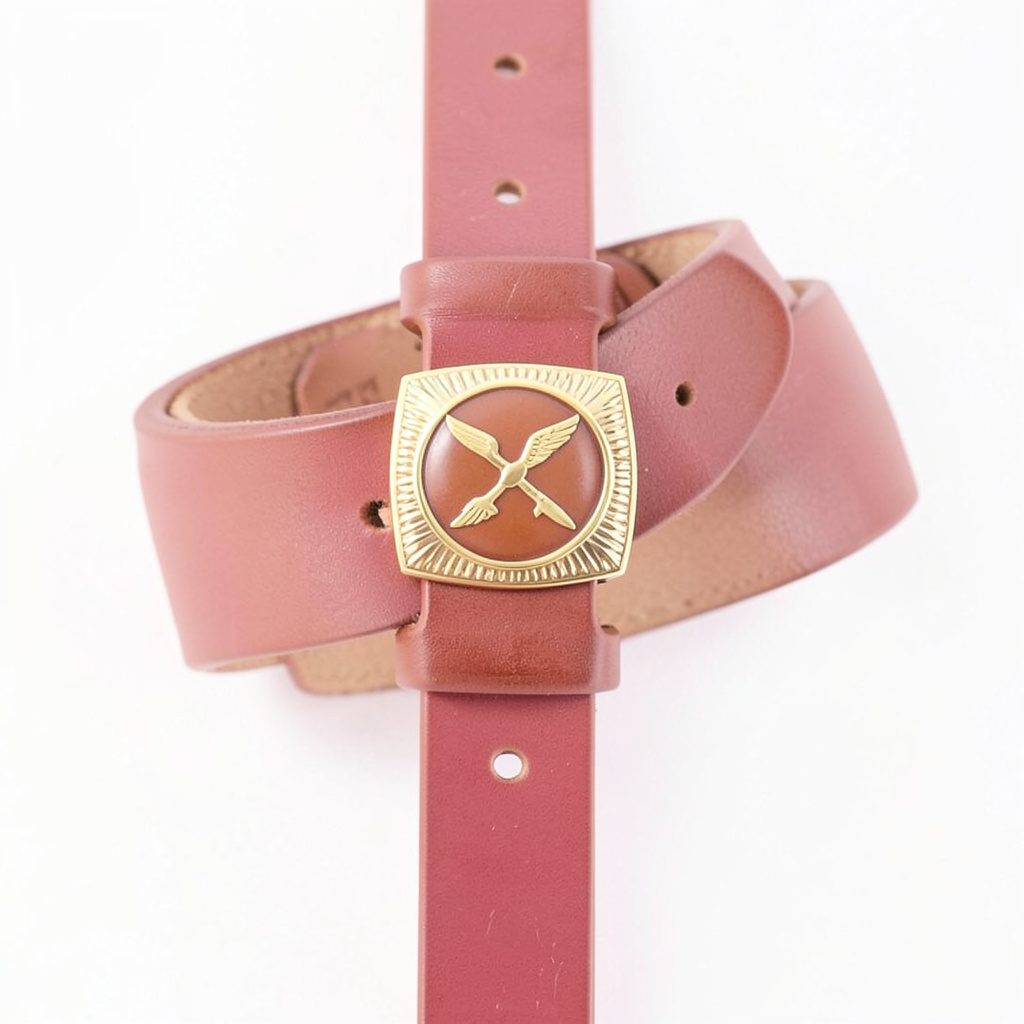
Belts, Bracelets & Bag Charms
Wallet styles, belts for men and women, bracelets, card holders, and shoulder straps crafted for everyday wear, including the Oscar Buckle and Lennox belts.
Shop Accessories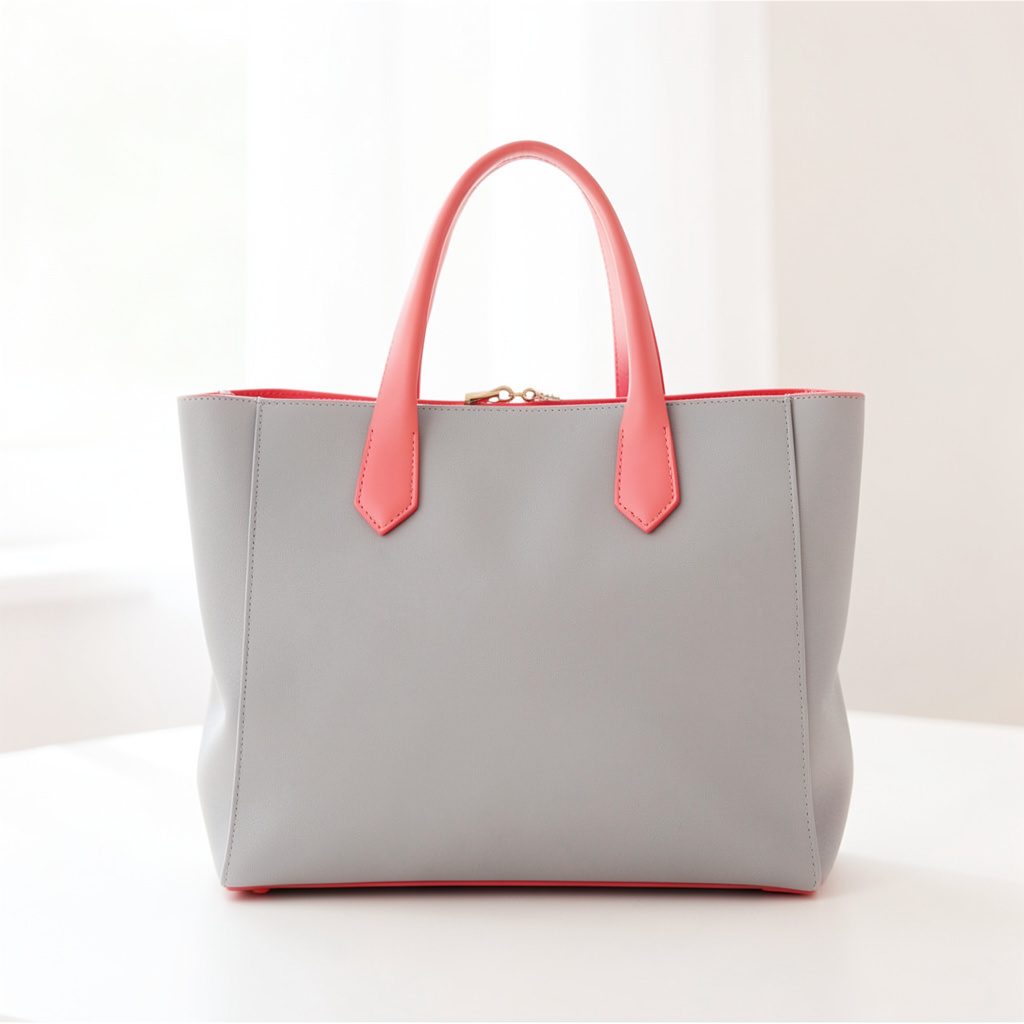
Birkin, Kelly & Bolide
Handmade replica Hermès bags in sizes 25cm, 30cm, 35cm, 40cm, and 42cm across Epsom and Clemence leather, in shades from Sapphire and Orange to Grey and Gold.
Explore HandbagsStay in the Loop
Sign up for store updates, new arrivals, and outlet offers.