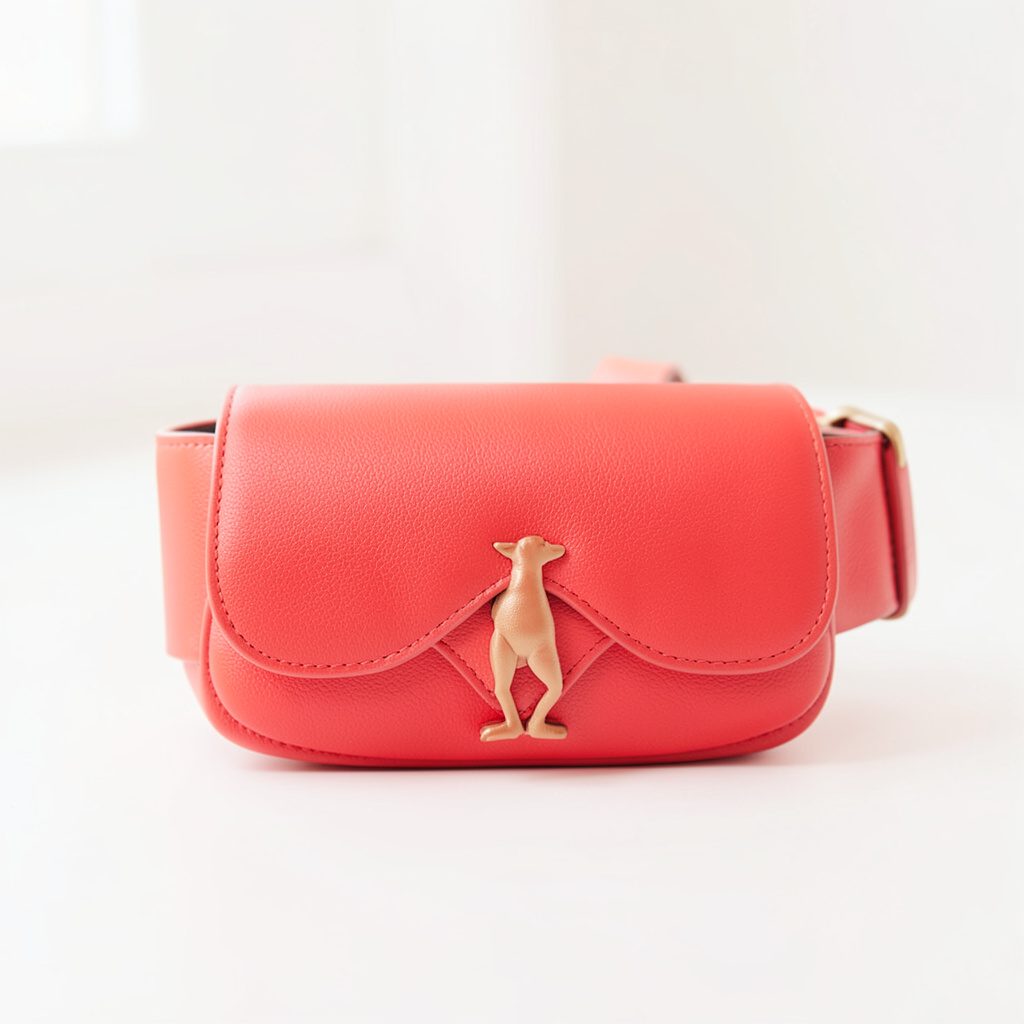
From Paris to your wardrobe: the Birkin story and its knockoff boom
The Hermès Birkin has spent nearly four decades cemented in popular culture as the ultimate luxury handbag. From magazine covers to celebrity street style, the bag with the iconic flap, two rolled handles, and a polished turn-lock is the kind of accessory that signals taste, wealth, and a long memory for fashion history. A genuine Birkin still commands five-figure sums in Australian dollars, and the waiting list at a flagship boutique can stretch across years rather than months. That scarcity has shaped a global parallel market where carefully crafted lookalikes quietly fill the gap.
The story of the bag begins in 1984, but its mythology stretches back further, rooted in a meeting between a British actress, a French fashion executive, and a wicker basket that fell apart at thirty thousand feet. The result was a design that would redefine what a handbag could be, both in price and in prestige. Today, that same design is more replicated than almost any other luxury object, and the reasons go beyond simple price.
Australia sits at an interesting crossroads in this story. Local shoppers regularly travel to Sydney's Queen Victoria Building or Melbourne's Chadstone in search of a designer look, while online boutiques have made it possible to order directly to a Brisbane apartment or a Perth suburb. The local appetite for the Birkin silhouette, complete with the matching twilly and silk scarf, has never been stronger, even as Hermès stores in Pitt Street and Collins Street remain notoriously difficult to crack.
The journey from Jean-Louis Dumas's napkin sketch to today's replica market is shaped by craftsmanship, celebrity, and an Australia-wide love affair with polished accessories. Understanding the original explains why its copies have become so convincing, and why so many fashion-conscious buyers from Noosa to Fremantle end up choosing a high-quality alternative instead.
The 1984 origin story
The Birkin was not born in a marketing meeting. It emerged from a chance encounter on an Air France flight from Paris to London in 1984, when Jane Birkin, the British actress and singer, found her signature wicker basket spilling its contents into the overhead bin. Seated nearby was Jean-Louis Dumas, the chairman of Hermès, who offered to design her a practical bag that would suit the life of a young mother. He sketched a rectangular holdall on the back of a sick bag, and two years later the first Birkin 35 was produced in the Hermès workshop.
What set the bag apart from existing luxury totes was a combination of generous proportions, a single flap, twin straps long enough to slip over the shoulder, and a saddle-stitched body that could be repaired rather than replaced. In 1984, the original Birkin retailed for roughly two thousand US dollars. Adjusted for inflation and current demand, the same bag now lists for upwards of fifteen thousand Australian dollars, with exotic skin versions crossing the six-figure mark locally. The story of its invention explains why the design feels less like a seasonal accessory and more like a piece of luggage engineered to last a lifetime.
Craftsmanship and materials
A genuine Birkin is built slowly. A single artisan assembles each bag in a process that takes between eighteen and twenty-five hours, depending on the leather and hardware. The famous saddle stitch is done by hand with two needles, a technique that produces a seam strong enough to outlast the owner. The exterior is cut from a single piece of leather so the grain runs continuously across the body, which is why the bag ages so visibly and beautifully.
The materials themselves add to the mystique. Togo, a grained calfskin, is the most common and offers a slightly pebbled surface that softens with use. Clemence is heavier and more relaxed, while Epsom is pressed and structured, holding its shape like a piece of armour. Exotic skins such as Niloticus crocodile and Porosus lizard push the price into rarefied territory, with palladium or gold hardware finishing each piece. This level of craft is also why a Birkin feels different in the hand, and why counterfeit factories spend so much effort replicating the weight, the stitching, and the smell of the leather.
The Australian fascination
Australian shoppers have always had a soft spot for the polished European aesthetic, and the Birkin sits at the centre of that fantasy. The country's coastal lifestyle, with its Bondi mornings, Noosa weekends, and a long, sun-soaked arvo spent outdoors, means a structured leather bag doubles as a quiet flex against the casual backdrop of thongs and sunnies. Pairs of twilly scarves tied around the handles protect the leather from sunscreen and sweat, a small detail that locals have adopted faster than almost any other market outside France.
The retail landscape reflects this obsession. Sydney's Pitt Street Mall and Melbourne's Collins Street host the official Hermès boutiques, where the waitlist is measured in years and the door policy can feel intimidating. Around the country, David Jones and Myer offer glimpses of the world through window displays, while Chadstone and Westfield Bondi Junction have grown into shopping destinations where shoppers spend an entire Saturday planning a wardrobe around a single investment piece. Even the racing calendar, from the Melbourne Cup to the autumn carnival in Sydney, gives Australians a regular excuse to style a Birkin-inspired look with a wide-brim hat and a tailored dress, often finishing the ensemble with silk scarves knotted just so.
Why replicas fill the gap
The wait is the point for some buyers, but for many Australians it is a barrier that simply cannot be crossed. Resale platforms list second-hand Birkins with a five to ten thousand dollar premium over retail, which means a bag you cannot buy new suddenly costs more than a mid-sized car. For younger professionals, tradies running their own subcontracting business, and fashion enthusiasts who rotate their collection every season, the math no longer works. A well-made replica offers the silhouette, the hardware weight, and the leather feel at a fraction of the cost, and it can be ordered online with worldwide shipping to a suburban driveway in Brisbane or a country town in the Yarra Valley.
The improved quality of modern replicas is the other half of the story. The best manufacturers use vegetable-tanned calfskin, hand-stitched seams, and accurate palladium hardware, which means the bag photographs almost identically to the original at a café table or a race day enclosure. Buyers can experiment with colours such as Etoupe, Gold, and Rose Confetti, try a Birkin 25 for weekend wear, and a 35 for travel, without committing a deposit on a house. For many Australians, that flexibility is the real luxury, and it is why the replica market continues to grow alongside the genuine one.
Caring for your replica Birkin and its accessories
A good replica deserves the same care as an original, and the right routine will keep the leather supple, the hardware bright, and the matching accessories looking fresh for years. Most Australian buyers keep their bag for at least a few seasons, so a little maintenance goes a long way. Twilly scarves, silk scarves, and other accessories tied around the handles also need attention, since sunscreen, perfume, and summer humidity can discolour delicate fabrics far faster than the leather itself. Following a careful routine for cleaning your twillies the right way keeps the whole set photo-ready from a Saturday brunch to a Melbourne Cup luncheon.
A few habits worth keeping:
- Store the bag upright in its dust bag, away from direct sunlight and any heating vents, since Australian UV is unforgiving on Togo and Clemence.
- Apply a small amount of neutral leather conditioner every six months to prevent the leather from drying out, especially in coastal areas where salt air is constant.
- Stuff the interior with acid-free tissue paper so the base keeps its shape during the off-season.
- Rotate handles between scarves and bare leather to limit wear and to refresh the look of the bag through the year.
- Avoid overloading the bag, because the hand-stitching can stretch if the bag is regularly packed beyond a wallet, a phone, and a small notebook.
- Wipe hardware with a soft, dry cloth after each outing to remove sunscreen residue and slow tarnishing.
- Treat any water marks immediately with a dry cloth and let the bag air-dry away from heat, never with a hair dryer.
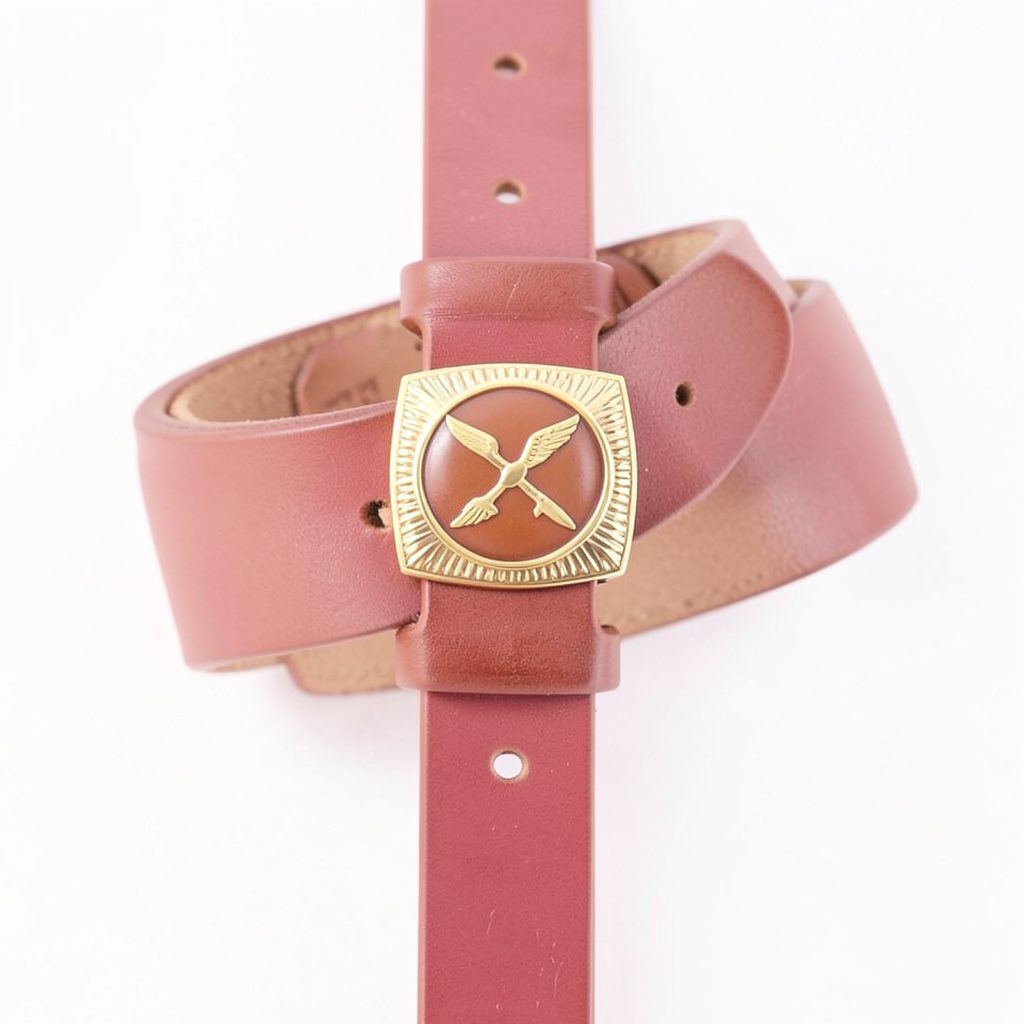
Belts, Bracelets & Bag Charms
Wallet styles, belts for men and women, bracelets, card holders, and shoulder straps crafted for everyday wear, including the Oscar Buckle and Lennox belts.
Shop Accessories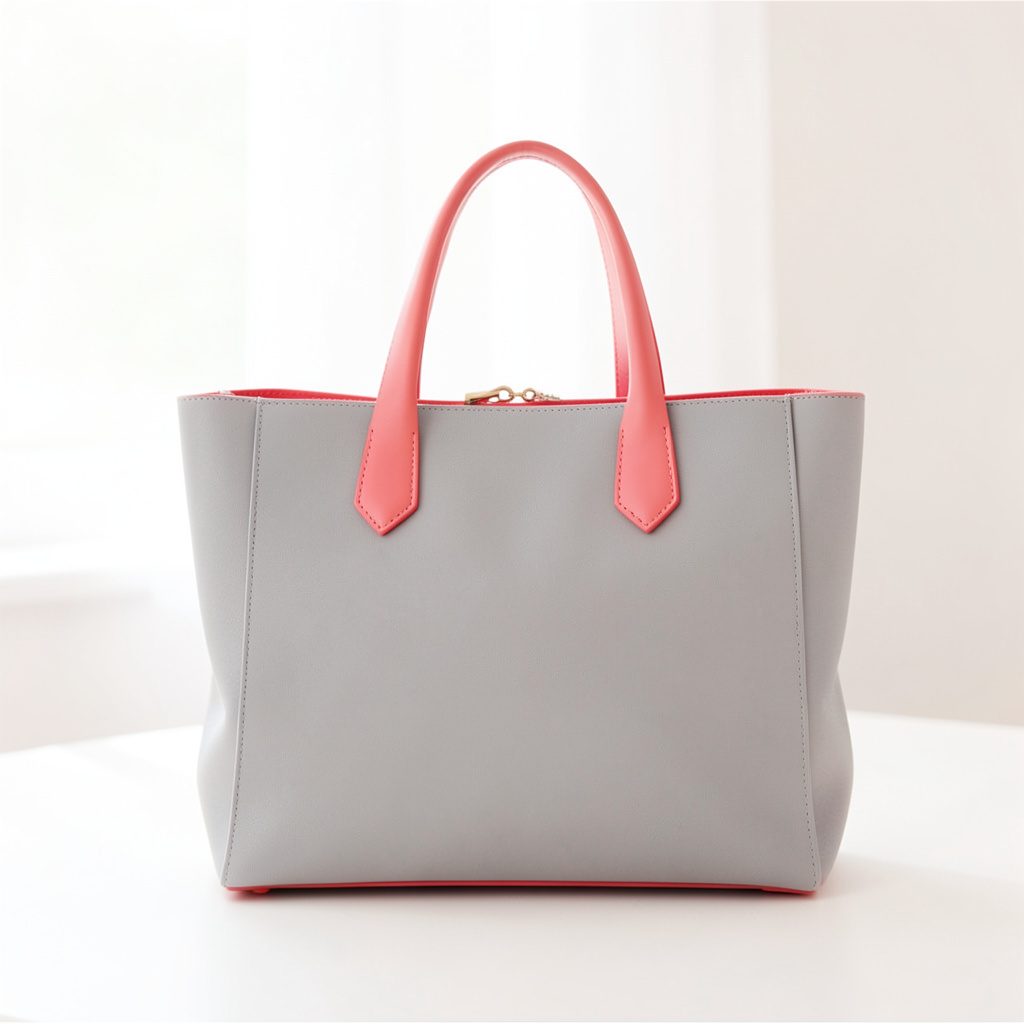
Birkin, Kelly & Bolide
Handmade replica Hermès bags in sizes 25cm, 30cm, 35cm, 40cm, and 42cm across Epsom and Clemence leather, in shades from Sapphire and Orange to Grey and Gold.
Explore HandbagsStay in the Loop
Sign up for store updates, new arrivals, and outlet offers.